
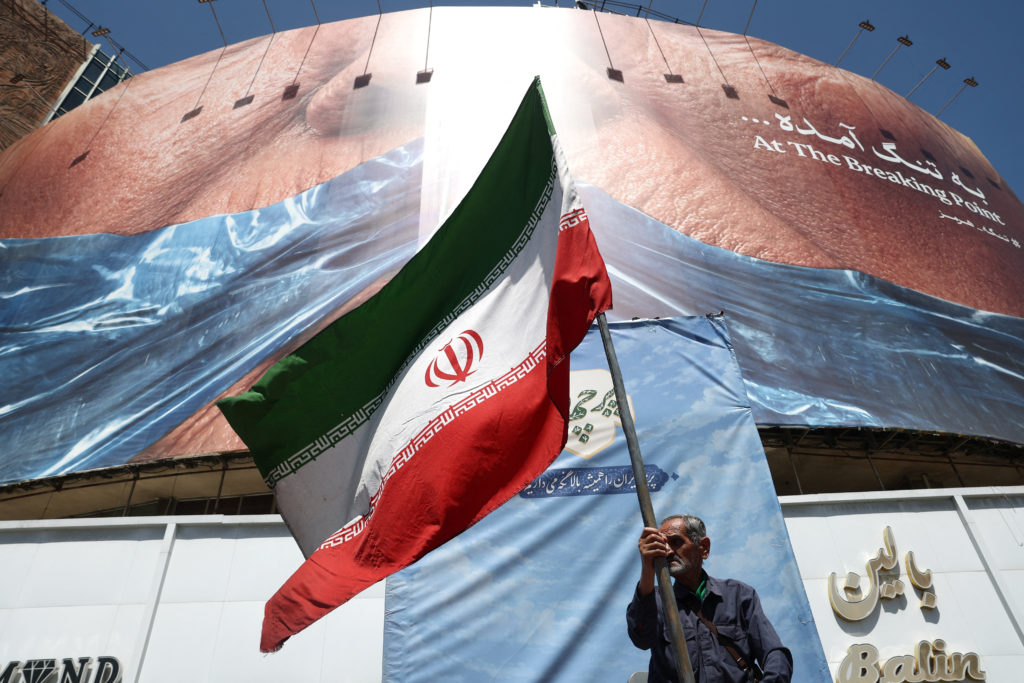
The direct confrontation between the United States and Iran escalated sharply on Monday morning. When the U.S. military launched airstrikes against military sites inside Iran. In immediate retaliation, Tehran fired a barrage of missiles targeting American military personnel stationed in Kuwait. Air sirens sounded across Kuwait City as the country’s national air defense systems, operating alongside U.S. forces, opened fire. To intercept the incoming Iranian missiles and prevent casualties among the troops.
This dangerous exchange of direct strikes occurred amid severe regional volatility. Linked to the ongoing broader conflict involving Israel and regional militant groups. The sudden outbreak of violence has severely tested the fragile regional stability. Interrupting ongoing diplomatic channels where American and Iranian officials have been actively trying to negotiate an agreement to extend a ceasefire. In addition, the flare-up also sparked domestic reactions within Iran. Where pro-government demonstrators gathered at Islamic Revolution Square in Tehran. In short, waving Iranian flags alongside those of Lebanon’s Hezbollah group to show solidarity with the regime’s military actions.
Furthermore, the escalation threatens to engulf the wider Gulf Cooperation Council region. Causing deep anxiety among neighboring states such as Saudi Arabia, Bahrain, Qatar, Oman, and the United Arab Emirates. The targeting of U.S. forces inside Kuwait underscores the growing risk that the war could completely destabilize the vital energy and transit corridors of the Middle East. While the joint defensive response successfully mitigated the immediate threat from the retaliatory missile barrage. Moreover, the breakdown of ceasefire discussions leaves the region on the brink of an even larger international conflict.
Ultimately, this direct military exchange between the United States and Iran represents a dangerous escalation. That has pushed the Middle East to the brink of a wider regional conflict. By interrupting active ceasefire negotiations and expanding the theater of war into Kuwait. The strikes underscore the fragile state of regional stability and the growing threat to vital international transit corridors. While immediate casualties were averted through joint air defense interceptions. In conclusion, the breakdown of diplomatic channels and rising domestic fervor leave the region facing an incredibly volatile and unpredictable security environment.
Reference
Gambrell, J. (2026, June). US bombs Iran, downs missiles fired at bases in Kuwait. AP News. https://apnews.com/article/iran-us-irael-war-kuwait-strikes-88daa9f90b48baaa7beb18e35515c59d