
The Public Opinion Gap
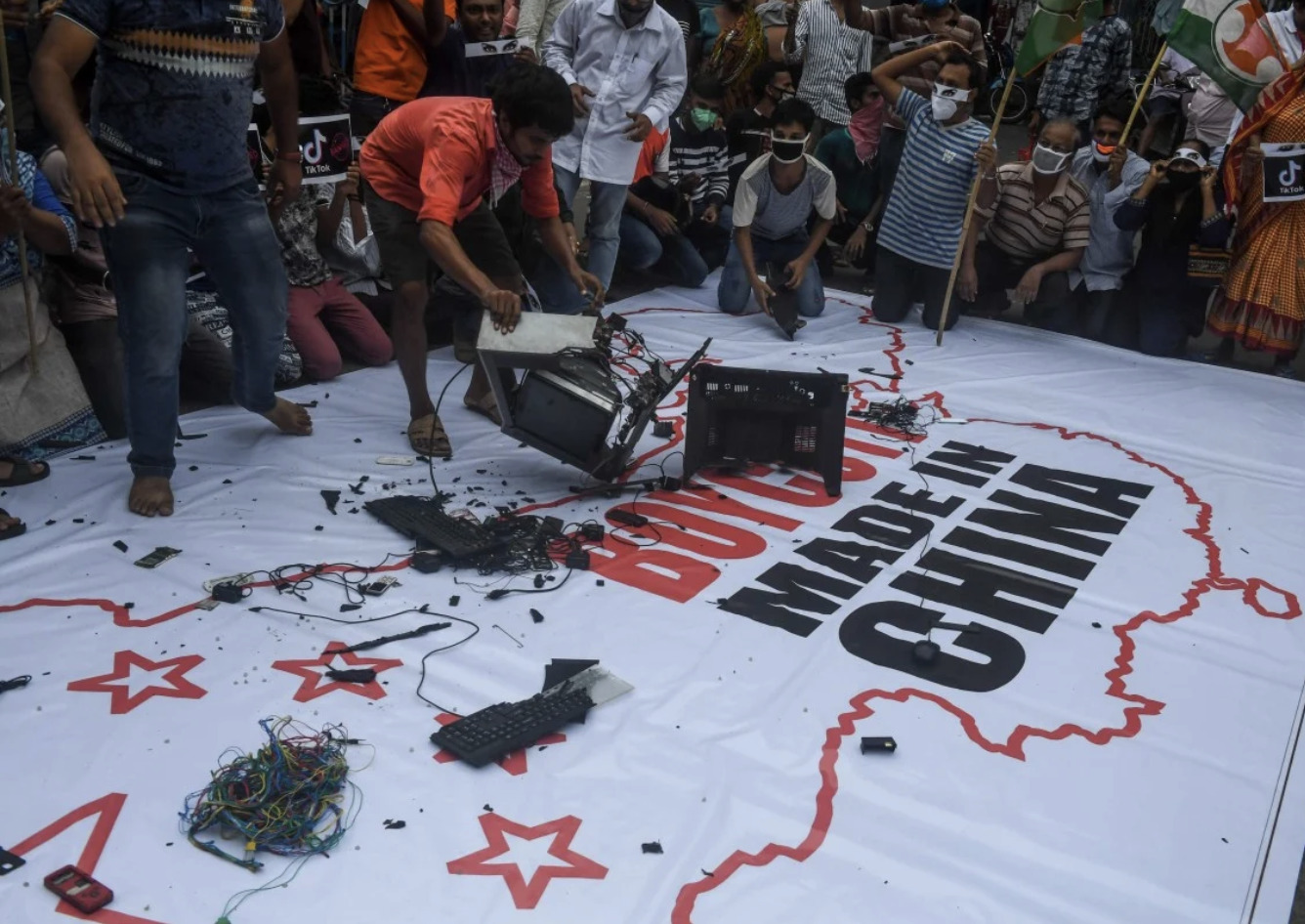
Though the relationship between the Chinese and Indian governments is thawing, Beijing still struggles to win over the Indian public. Chinese researchers argue that Beijing severely lacks a long-term communication strategy and effective outreach channels. Consequently, experts Zhou Qingan and Li Yiming stress that expanding bottom-up strategies is a matter of absolute urgency. Currently, Beijing relies primarily on official channels, which remain weak and poorly planned. Furthermore, state-produced media content mostly focuses on rigid policy promotion and consistently fails to resonate with the broader Indian population. Therefore, a massive cognitive gap exists between the two nations, heavily fueled by prevalent stereotypes and deep mutual distrust.
Media Fragmentation and Diplomatic Shifts
Beijing’s outreach efforts face severe complications due to India’s highly fragmented media ecosystem. This massive network spans roughly 140,000 print publications and 900 television channels across 189 different languages. Additionally, no Chinese state media reporters are currently stationed in India following a series of mutual expulsions in 2023. However, bilateral ties finally began to thaw significantly in 2024. New Delhi started issuing tourist visas to Chinese citizens again, and direct commercial flights have been fully restored. Furthermore, recent US tariff policies targeting Indian-made generic medicines under President Donald Trump have pushed New Delhi to actively improve its economic ties with Beijing.
Strategies for Future Engagement
To bridge this vast divide, Tsinghua scholars strongly argue that Beijing must rapidly expand people-to-people exchanges. They suggest that communication should prioritize shared social issues like youth unemployment and unbalanced urban-rural development. Moreover, Beijing must partner with moderate Indian media outlets and actively cultivate local opinion leaders. Establishing a multi-departmental emergency response system would also help streamline information release during major geopolitical events. Ultimately, China should produce collaborative narratives that leverage both countries’ shared identity as emerging leaders of the Global South. By doing so, Beijing can help the Indian public recognize that China’s ongoing rise does not threaten India’s national interests.
Reference
Chen, F., & Chen, F. (2026b, agosto 8). Why Beijing struggles to win Indian hearts and minds despite diplomatic thaw. South China Morning Post. https://www.scmp.com/news/china/diplomacy/article/3363382/why-beijing-struggles-win-indian-hearts-and-minds-despite-diplomatic-thaw?share=%2BRyOgB9XnImwP4klTAXEyRHEeXDPio%2BYYvZdwzL74GLLQxagFg6ajIgQRK6CJN7wr2kG4YuC2KF5aBCXaOpvX8bicYDirnVuK%2BrvNQNSgsQ%3D&utm_campaign=social_share