
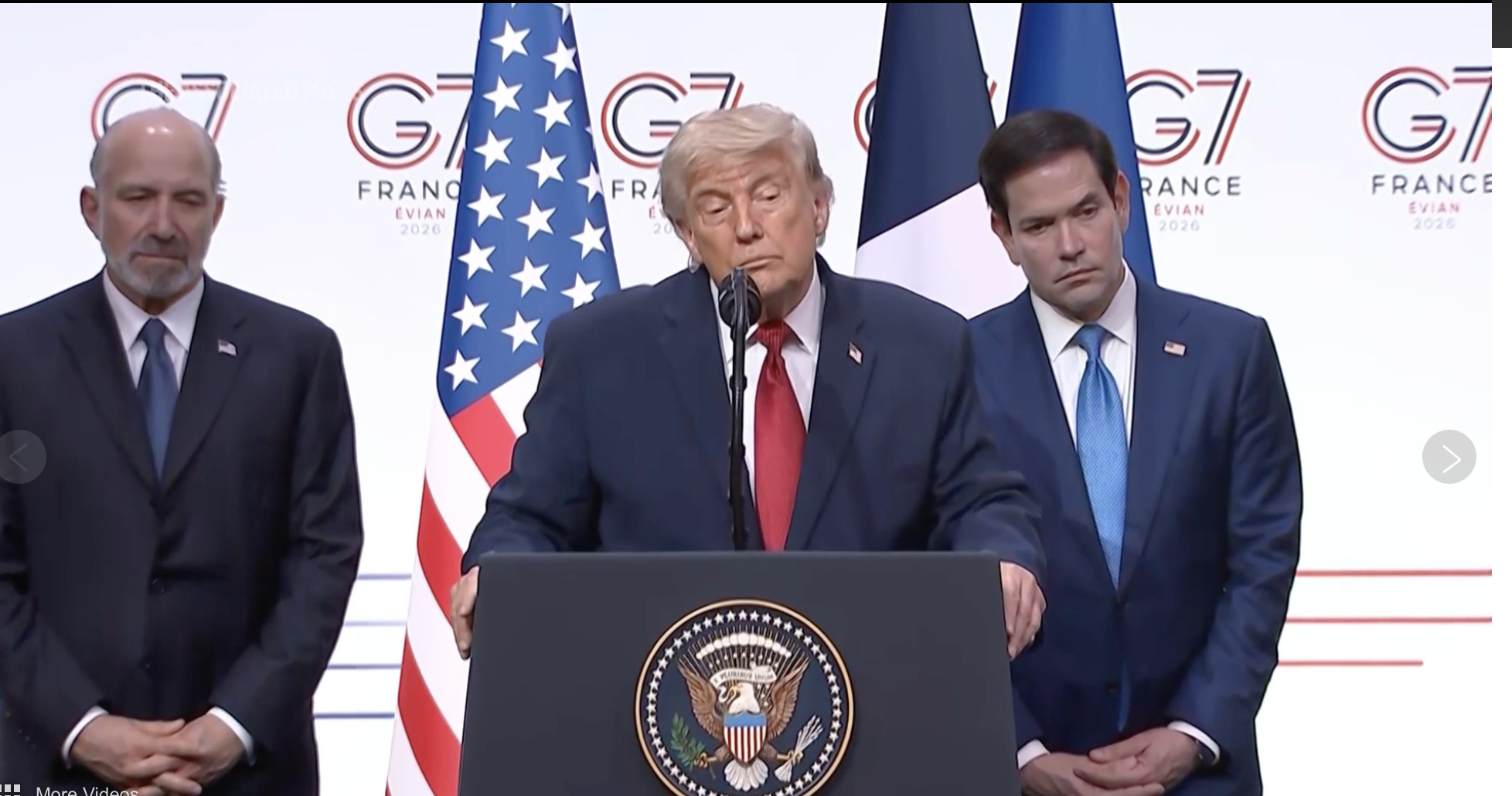
President Donald Trump signed an agreement with Iran on Wednesday to end the war, call for the dilution of highly enriched uranium, and waive U.S.-backed sanctions. This historic initial agreement takes immediate effect and immediately allows Iran to freely sell its oil. Pakistani Prime Minister Shehbaz Sharif, who helped mediate the agreement, confirmed the signing online. While the deal establishes a permanent end to hostilities and starts a 60-day negotiating clock for Iran’s nuclear program, President Trump left the door open to resume military actions if he dislikes the development of the memorandum. Trump physically signed the copy during a dinner with French President Emmanuel Macron at Versailles, while Iranian President Masoud Pezeshkian signed the accord in Tehran.
Reopening the Strait and Regional Terms
Much of the agreement aims to restore the prewar status quo. Consequently, the deal reopens the strategic Strait of Hormuz without tolls for two months and lifts the U.S. naval blockade on Iranian ports to return traffic to prewar levels within 30 days. This provides significant relief to the global economy after a severe energy crisis driven by shipping attacks and high prices. Additionally, the accord affirms a commitment to Lebanon’s territorial integrity amidst Israel’s invasion against Hezbollah. However, Israel has already rejected the condition to withdraw its forces, making this one of the most delicate aspects of the pact.
Major Concessions and Financial Reconstruction
The interim agreement falls short of original U.S. war goals but grants substantial up-front benefits to Iran that surpass the 2015 pact. Aside from immediate oil waivers, the deal opens the path to eventually ending all U.S. and U.N. sanctions. Furthermore, the accord outlines at least $300 billion in reconstruction funds for Iran, which Vice President JD Vance indicated would be invested by Gulf Arab nations. Trump reiterated that the United States will not contribute financially to this fund. Meanwhile, the International Atomic Energy Agency will monitor the downblending of Iran’s 60% enriched uranium. Ultimately, the treaty is expected to face intense opposition in Washington and represents a major setback for Israeli Prime Minister Benjamin Netanyahu.
Reference
Price, M. L., Lee, M., Gambrell, J., Magdy, S., & Catalini, M. (2026, 18 junio). US and Iran sign initial deal to end war, ease sanctions and open Strait of Hormuz | AP News. AP News. https://apnews.com/article/iran-us-israel-war-oil-deal-june-17-2026-19652f4611b704c0a991bf1f5bc9a4b9?user_email=bd2c428b35d2f2d999bc6f7e665bad1355a8dd3247b2afc8121729c30cd9a01a&utm_medium=APNews_Alerts&utm_source=Sailthru_AP&utm_campaign=NewsAlert_Jun17_2026_08:14PM&utm_term=AP%20News%20Alerts