
El Observatorio Global UDLAP (OGU) es una iniciativa sólida y necesaria para entender la complejidad del sistema internacional actual, especialmente considerando la relevancia estratégica de México en foros como APEC.
El OGU es un recurso valioso para monitorear temas apasionantes como la economía y la política globales y se consolida como un centro de análisis crítico coordinado por el Departamento de Relaciones Internacionales y Ciencia Política de la UDLAP.
El Observatorio cuenta con cuatro pilares fundamentales: APEC/PECC, Organismos Internacionales, Prensa Internacional y Think Tanks.
Pilares del Observatorio
Te invitamos a explorar nuestro repositorio de noticias con los temas más actuales.
APEC / PECC
Esta sección es clave para el seguimiento del Foro de Cooperación Económica Asia-Pacífico, sobre todo ahora que México será sede del Foro en el año 2028. Se enfoca en:
- Seguimiento de políticas públicas regionales que inciden en el crecimiento económico.
- Análisis de comunicados de líderes y ministros.
- Temas de liberalización del comercio e inversión en la región transpacífica.

Organismos Internacionales
Monitorea la actividad de las instituciones que rigen la gobernanza global, tales como:
- Sistema de Naciones Unidas: PNUD, PNUMA, UNICEF, FAO, OIT, entre otros.
- Instituciones Financieras y Comerciales: Seguimiento puntual a la Organización Mundial del Comercio y al Fondo Monetario Internacional (FMI).
Prensa Internacional
Esta sección ofrece una cobertura objetiva y concisa de los acontecimientos a través del monitoreo de los principales diarios internacionales y agencias de noticias en diversas regiones geográficas como América Latina y el Caribe, África, Asia-Pacífico, Europa y Medio Oriente.

Think Tanks
El Observatorio mantiene alianzas con centros de reflexión en México que son referentes en la economía política global, tales como:
- PECC-México (Consejo de Cooperación Económica del Pacífico).
- COMEXI (Consejo Mexicano de Asuntos Internacionales).
- AMEI (Asociación Mexicana de Estudios Internacionales).
El OGU es un excelente espacio para dar seguimiento a las propuestas de políticas públicas orientadas a definir la posición de México ante los cambios en el entorno global. Actúa como un puente con la generación de conocimiento global, reseñando documentos de instituciones de prestigio mundial como:
- América del Norte: Brookings Institution, Carnegie Endowment, CSIS, Council on Foreign Relations (CFR), PIIE, Wilson Center.
- Europa y otros: Chatham House (Reino Unido), Bruegel (Bélgica), SIPRI (Suecia), JIIA (Japón).
Notas a través del mundo
A continuación te presentamos las notas de la Prensa Internacional que acontecen desde una vista geográfica.
África
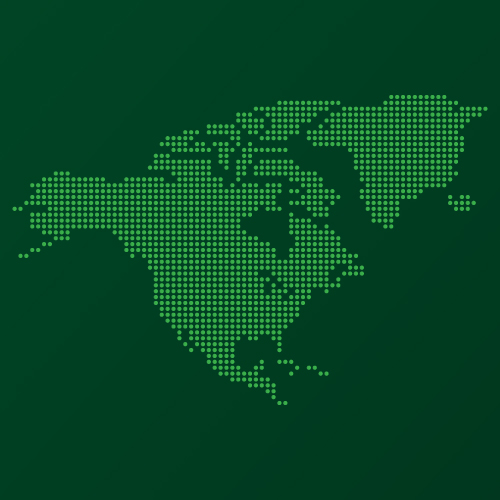
América del Norte
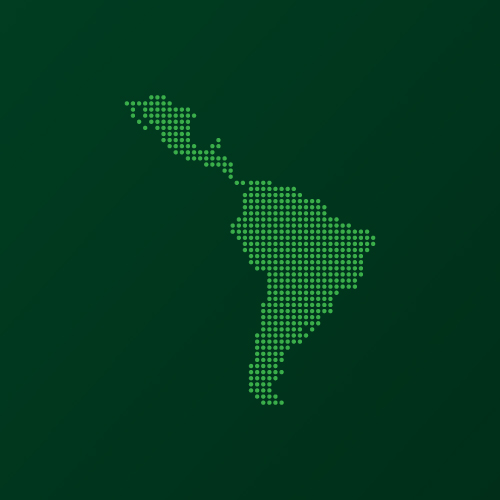
América Latina y el Caribe
Ártico y Antártico

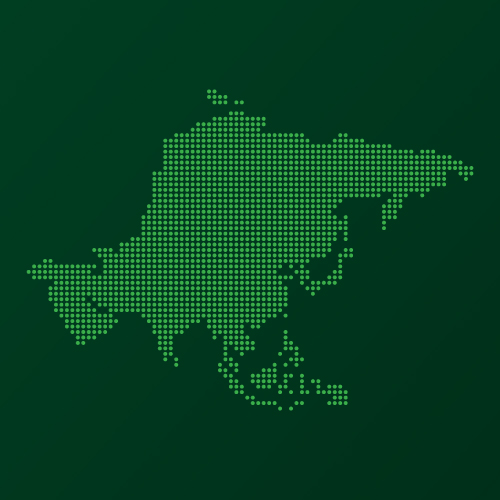
Asia
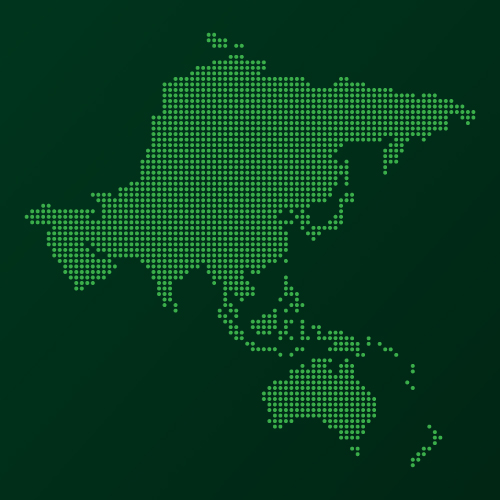
Asia – Pacífico
Europa

Global
Medio Oriente

¿Buscas algún acontecimiento?
Lee, analiza y comparte
-

Wikipedia Battles Multilateral Threats to Defend the Future of Free Knowledge
An Existential Standoff for the Modern Web The internet’s largest and most trusted stockpile of free human knowledge is facing an existential crisis. According to an extensive investigative report by The New York Times, Wikipedia…
-
El fin de la escuela tal como la conocemos: menos alumnos, nuevos docentes y otra forma de educar.
La Organización de Estados Iberoamericanos (OEI) analizó los efectos de la disminución de la natalidad en Argentina y su impacto en el sistema educativo. Entre 2015 y 2023, los nacimientos disminuyeron un 41 %, una…
-

Inglaterra resiste con 10 hombres ante México en un thriller mundialista en el Azteca
Un choque histórico marcado por el caos y los elementos El regreso de la selección de Inglaterra al césped del Estadio Azteca estuvo envuelto en una mística inconfundible y una altísima dosis de drama dramático.…
-
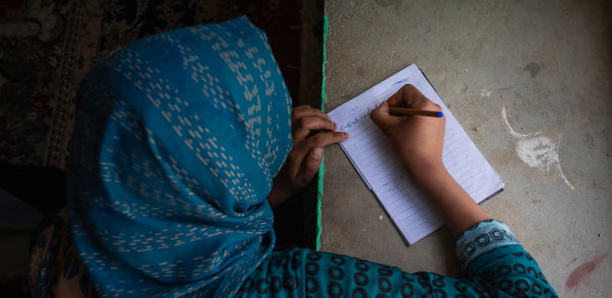
Overseas education project for women and girls axed by UK after two years.
The United Kingdom has cancelled the Strengthening Higher Education for Female Empowerment (SHEFE) programme only two years after its launch. The initiative had a £45 million budget and aimed to expand access to higher education…
-

‘Witch-hunt’ in Niger as military regime rounds up LGBTQ+ population.
Niger has launched a crackdown on LGBTQ+ people following the introduction of a new penal code earlier this year. According to local media, authorities have arrested up to 40 people, while 16 men, including senior…
-
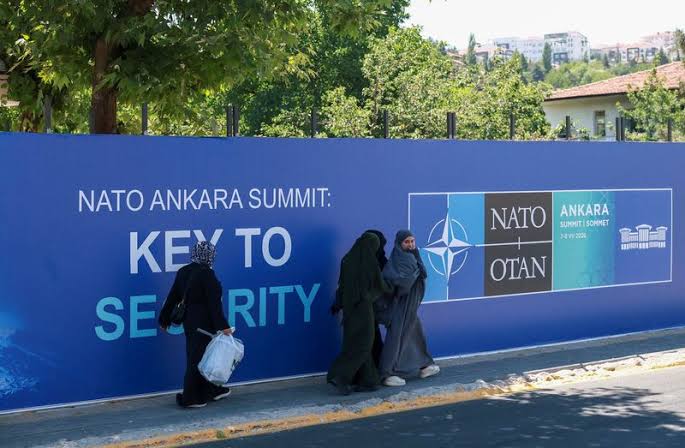
A Rebalancing NATO Gathers in Ankara: Why the NATO Ankara Summit 2026 Matters
The NATO Ankara Summit 2026 takes place at a crucial moment for international security. NATO leaders will meet in Ankara on July 7–8 to discuss the alliance’s future and the challenges facing its members. The event, organized…
-
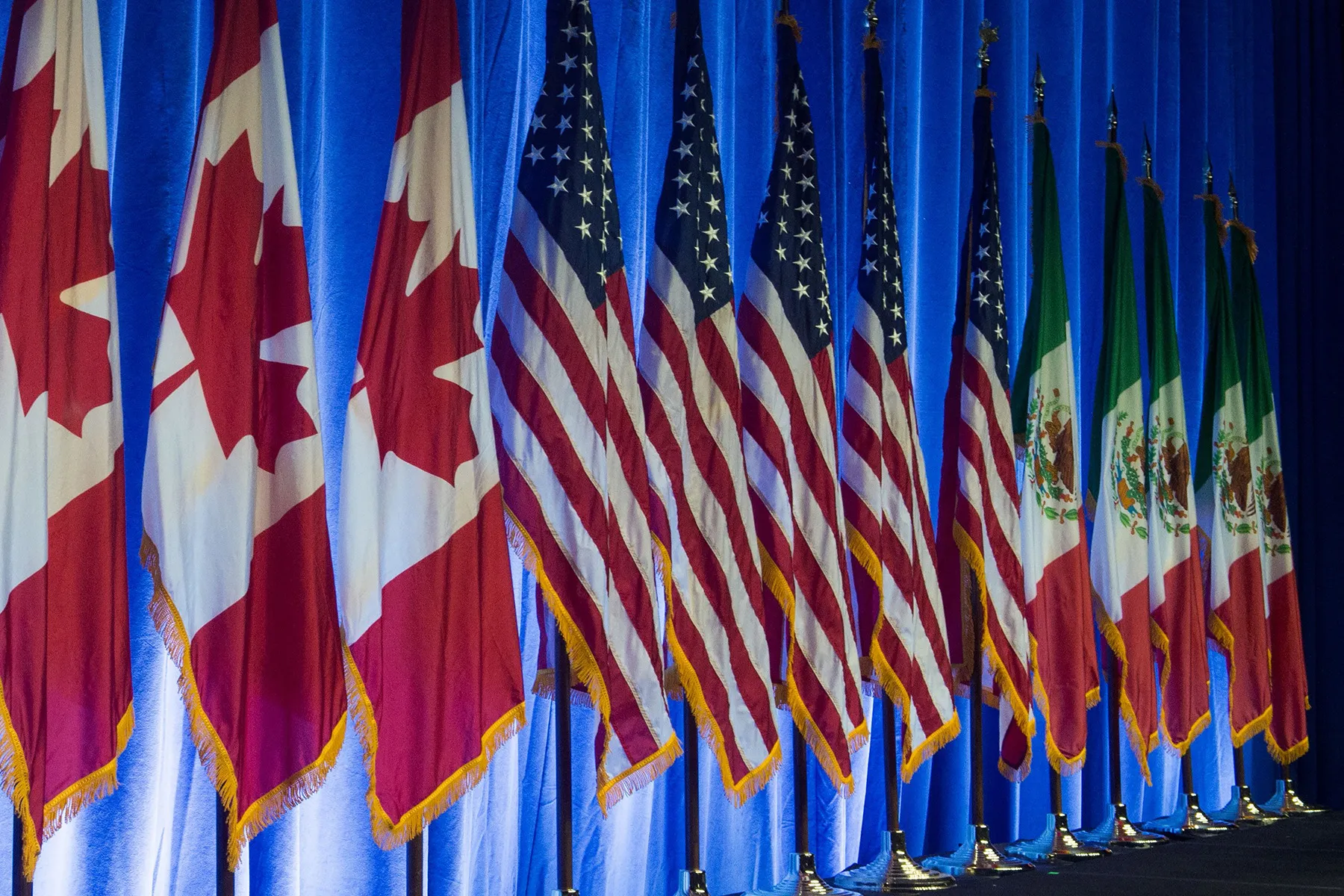
USMCA Review Mechanism: Lessons from the First Review Process
The USMCA review mechanism represents one of the most important innovations in the United States-Mexico-Canada Agreement. Unlike NAFTA, USMCA requires a formal review every six years. This process allows the three member countries to evaluate the agreement…
-

Flavio Bolsonaro asks Trump to delay tariffs on Brazil until after election
Brazilian presidential candidate Flavio Bolsonaro, son of former President Jair Bolsonaro. Has officially requested that the Trump administration delay its proposed 25 percent tariffs on Brazilian goods for 180 days, pushing the decision until after…
-
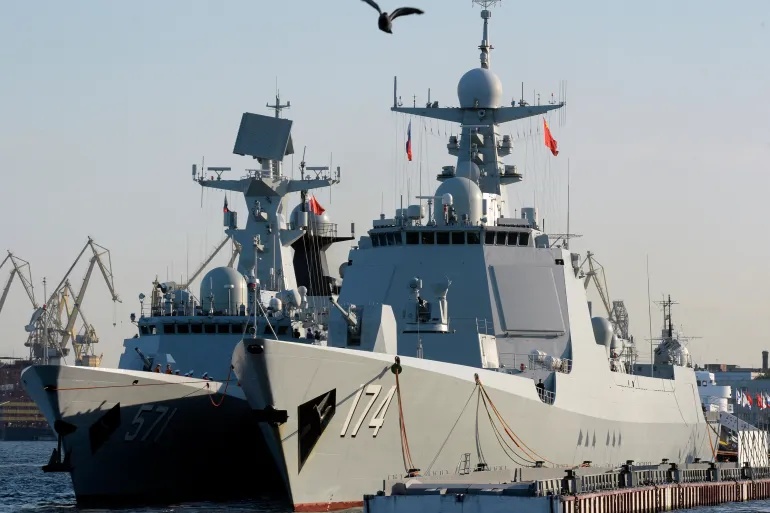
China and Russia to hold annual joint naval drills
The Chinese and Russian navies are launching their annual joint military exercises. Which will take place in the waters and airspace off China’s eastern coast near the major port of Qingdao.
-
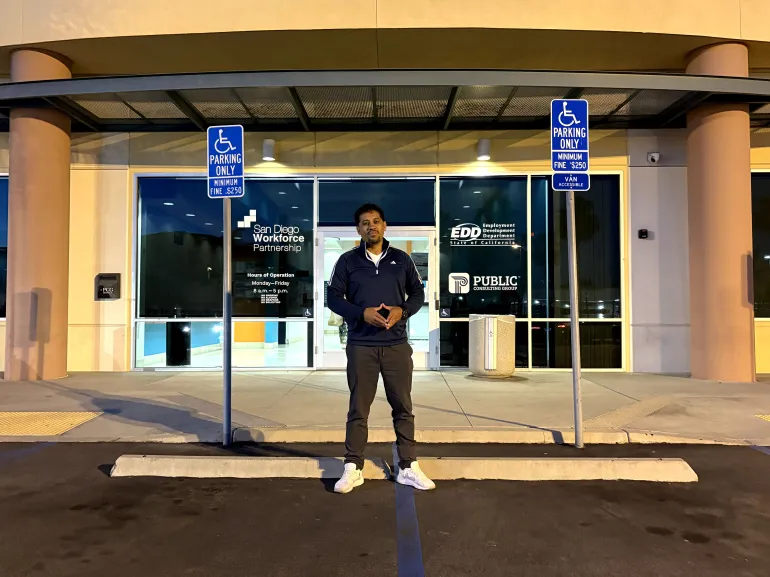
This immigrant served in the US military, now he faces deportation
US Navy veteran Benito Miranda Hernandez, who completed three tours of duty during the Iraq War. Is now facing deportation to Mexico after being detained by Immigration and Customs Enforcement (ICE).
-
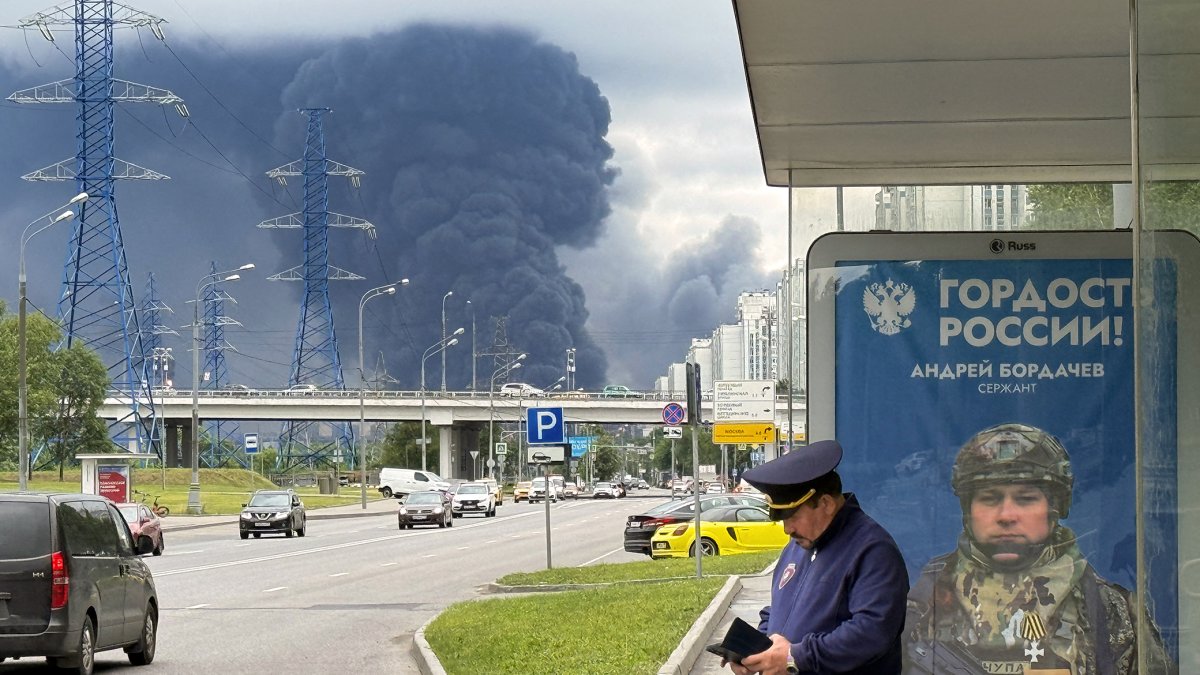
Russian Blood and Treasure: The Ballooning Costs of Putin’s War
The Russian military has largely lost the strategic initiative in Ukraine as the material and human costs of its campaign continue to rise dramatically.
-

Troubled Straits: Analyzing Trade Chokepoints in the South China Sea
The South China Sea stands as the world’s most consequential maritime corridor, handling nearly $6.4 trillion in collective trade value in 2024.
-
Corea del Sur destinará los ingresos del auge de la IA a jóvenes, empleo y nuevas infraestructuras
El Gobierno de Corea del Sur anunció la creación de un “Fondo de Respuesta al Futuro”, que se financiará con los ingresos fiscales extraordinarios obtenidos gracias al fuerte crecimiento de la industria de semiconductores para…
-
Sky acuerda comprar la cadena británica ITV por hasta 1.600 millones de libras
Sky, propiedad del grupo estadounidense Comcast, alcanzó un acuerdo para adquirir la división de medios y entretenimiento de ITV por un valor de hasta 1.600 millones de libras esterlinas (unos 1.870 millones de euros). La…
-
The AI cold war needs a nonaligned movement
The next era of global competition is fundamentally changing how we perceive power. We are currently witnessing an intensifying AI cold war between the United States and China. This rivalry is no longer limited to hardware or chip manufacturing;…