
Organismos Internacionales
-
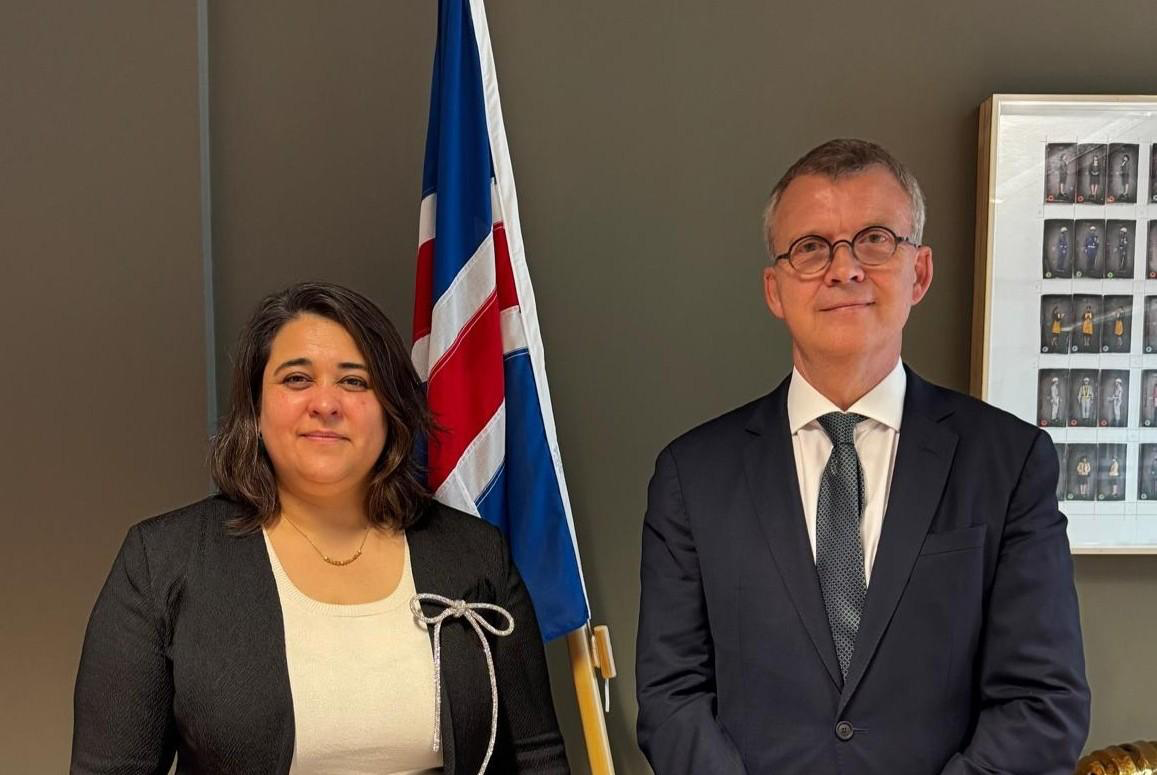
Iceland renews its support to the Trust Fund for Victims with a voluntary contribution for 2025
The Government of Iceland reaffirmed its commitment to international reparative justice by making an unrestricted voluntary contribution of €10,000 to the Trust Fund for Victims (TFV) at the International Criminal…
-
Civil society calls for stronger domestic health financing at the Seventy-ninth World Health Assembly
At an official side event during the Seventy-ninth World Health Assembly, nearly 300 civil society voices presented key demands regarding domestic health financing WHA policies. Reporting by the World Health Organization details…
-
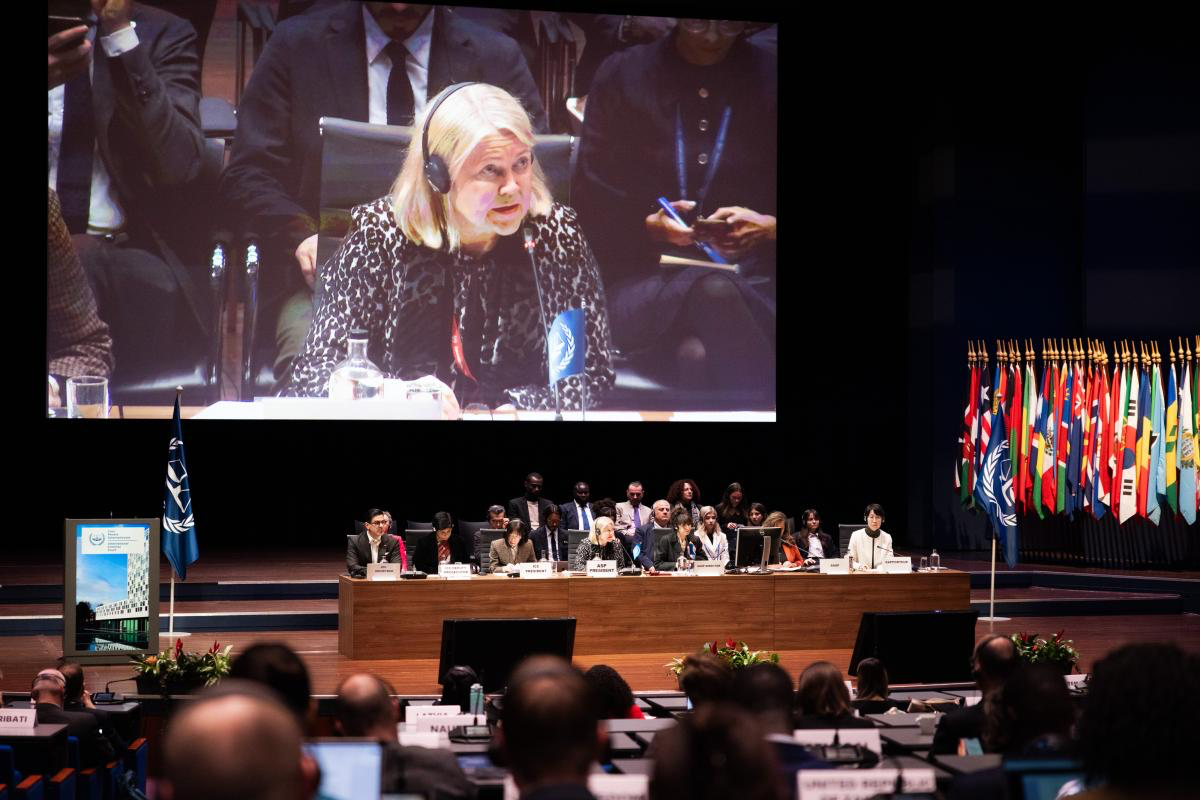
Statement of the ASP President following the conclusion of disciplinary proceedings involving Prosecutor Karim Khan
The Assembly of States Parties concluded its formal disciplinary proceedings regarding allegations against the Chief Prosecutor, marked by an official ASP President ICC statement. Following a secret ballot vote at United…
-
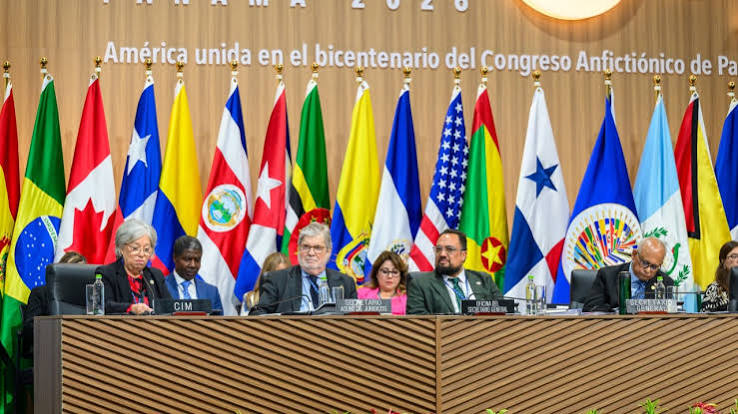
La CIM presenta ante la Asamblea General de la OEA avances para fortalecer los derechos de las mujeres en las Américas
La Comisión Interamericana de Mujeres presentó su evaluación institucional mediante el informe anual CIM OEA, destacando los progresos en la garantía de los derechos políticos y económicos de las mujeres. Según…
-
Global Mechanism on ICTs: Statement on international law
The International Committee of the Red Cross issued a formal position paper regarding the ICRC global mechanism ICTs consultation, addressing state behavior in cyberspace and information communications technology. Reporting by the ICRC…
-
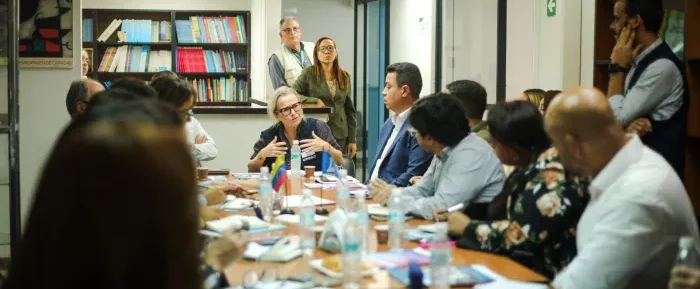
UNESCO y autoridades venezolanas avanzan en prioridades para la recuperación de la educación superior tras la emergencia.
Coordinación internacional para responder a los terremotos. La UNESCO y las autoridades venezolanas celebraron una reunión de alto nivel para coordinar la recuperación del sistema universitario tras los recientes sismos.…
-

Bolivia y Uruguay entre los 16 proyectos que la UNESCO financiará para fortalecer la condición del artista en el mundo.
La UNESCO impulsa iniciativas para fortalecer los derechos de los artistas. La UNESCO anunció la selección de 16 proyectos internacionales que recibirán apoyo técnico y financiero mediante el Programa UNESCO-Aschberg…
-
La inteligencia artificial entra en las elecciones de América Latina entre oportunidades y nuevos riesgos.
La inteligencia artificial transforma la gestión electoral. La inteligencia artificial comienza a incorporarse en los procesos electorales de América Latina para fortalecer tareas como el monitoreo de la desinformación, la…
-
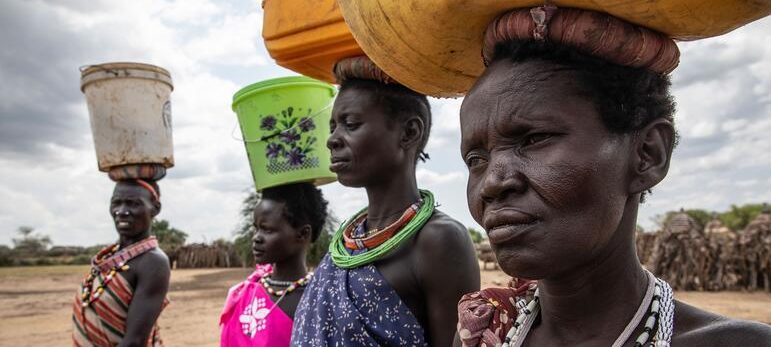
Sudán: las mujeres huyen de los drones de día y de los violadores de noche.
Buscar agua se ha convertido en una amenaza constante. ONU Mujeres alertó que las mujeres y niñas de El Obeid, en el centro de Sudán, viven una situación extrema al…
-

Dos de cada cinco personas en las Américas viven con un trastorno neurológico.
Los trastornos neurológicos representan un desafío creciente. Un estudio de la Organización Panamericana de la Salud (OPS), publicado en The Lancet Regional Health – Americas, estima que cerca de 470…
-

Los siniestros viales siguen siendo la principal causa de muerte entre los jóvenes.
Los accidentes de tránsito siguen cobrando millones de vidas. Los siniestros viales causan cerca de 1,2 millones de muertes cada año. Además, continúan siendo la principal causa de fallecimiento entre…
-
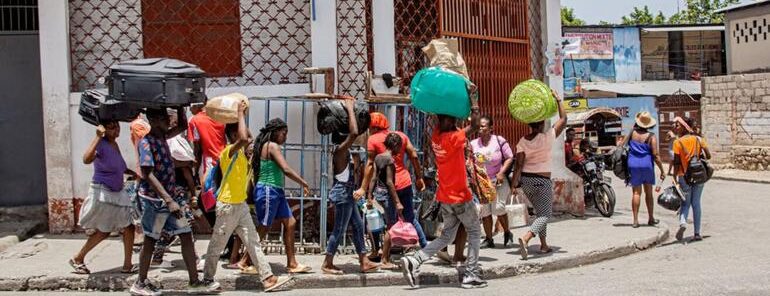
Las pandillas buscan controlar las instituciones y la economía de Haití.
La crisis de seguridad en Haití continúa agravándose debido al fortalecimiento de las pandillas, que buscan extender su influencia sobre las instituciones, la economía y la vida cotidiana de la…
-
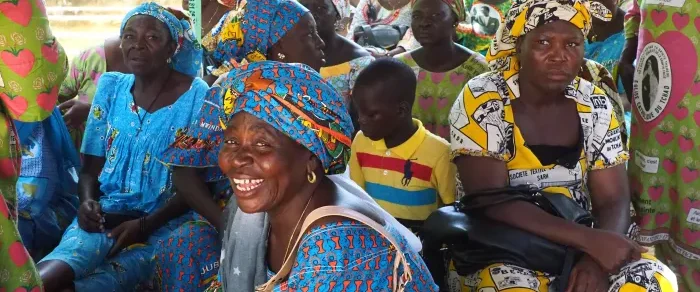
En Chad, nuevos diagnósticos allanan el camino para transformar la alfabetización y la educación básica no formal.
La UNESCO, a través del Instituto para el Aprendizaje a lo Largo de Toda la Vida (UIL), impulsa una reforma de la alfabetización y la educación básica no formal en…
-
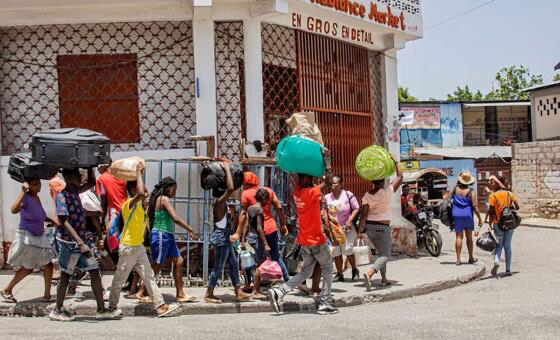
Haiti: Signs of hope despite gang violence and political uncertainty
As geopolitical conflict deepens across major international maritime trade routes, the expanding UN global shipping standstill impact is threatening fundamental stability in developing nations. According to recent briefings from the International Maritime…
-
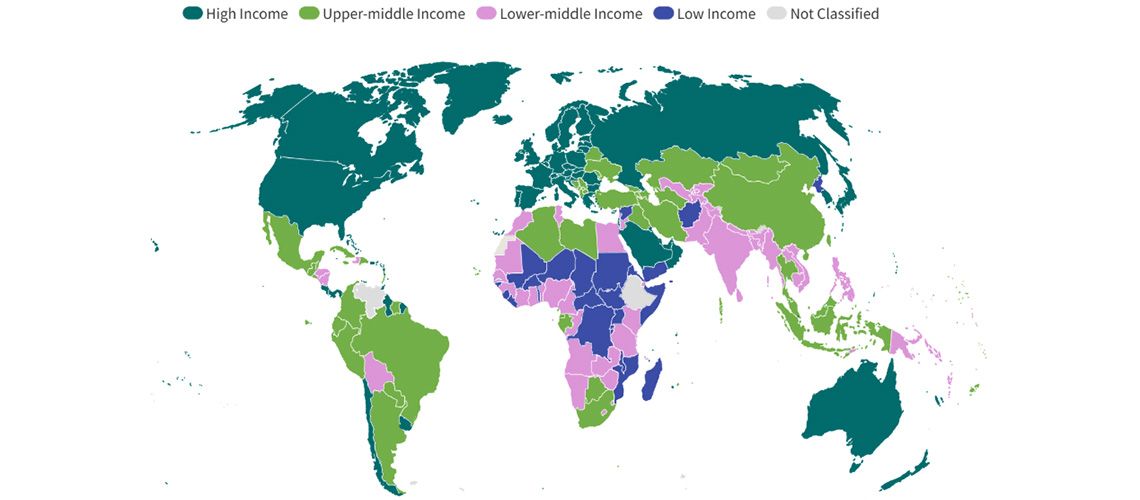
Who moves up and why? A closer look at the 2026-2027 release of the World Bank Group Country Income Classifications
Every year, the global economic map gets a significant rewrite. The latest release of the World Bank income classifications reveals that six nations have officially climbed into higher income brackets. However, a…
-
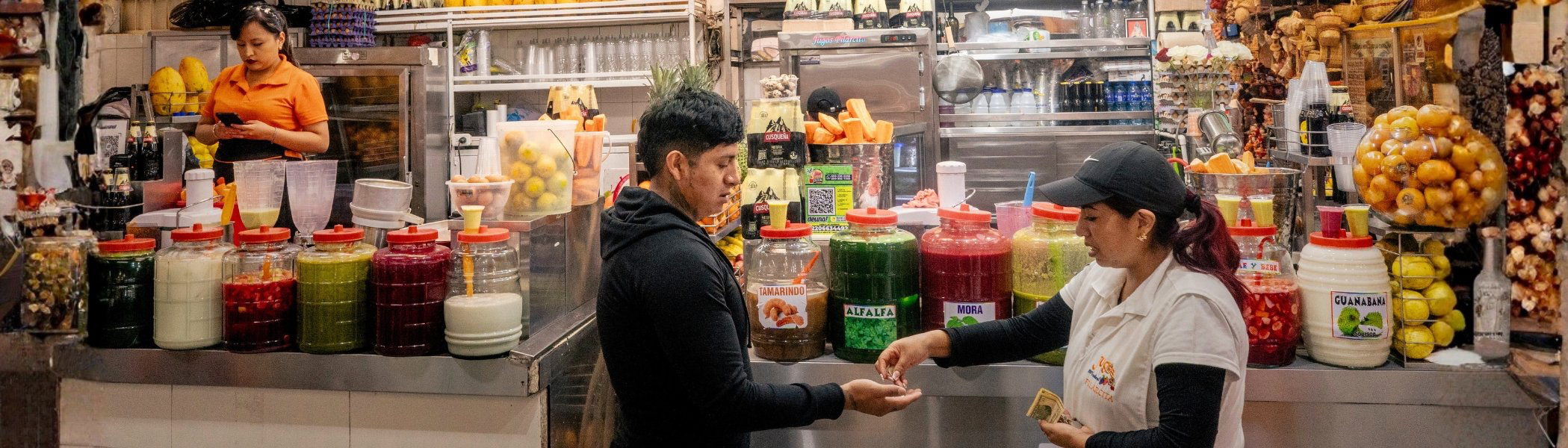
The Middle East War Will Have an Uneven Impact on the Western Hemisphere
As international shipping gridlock drives energy costs higher, the unfolding Middle East war Latin America economy footprint demonstrates a deeply fragmented financial landscape. The Western Hemisphere entered 2026 with solid growth…
-
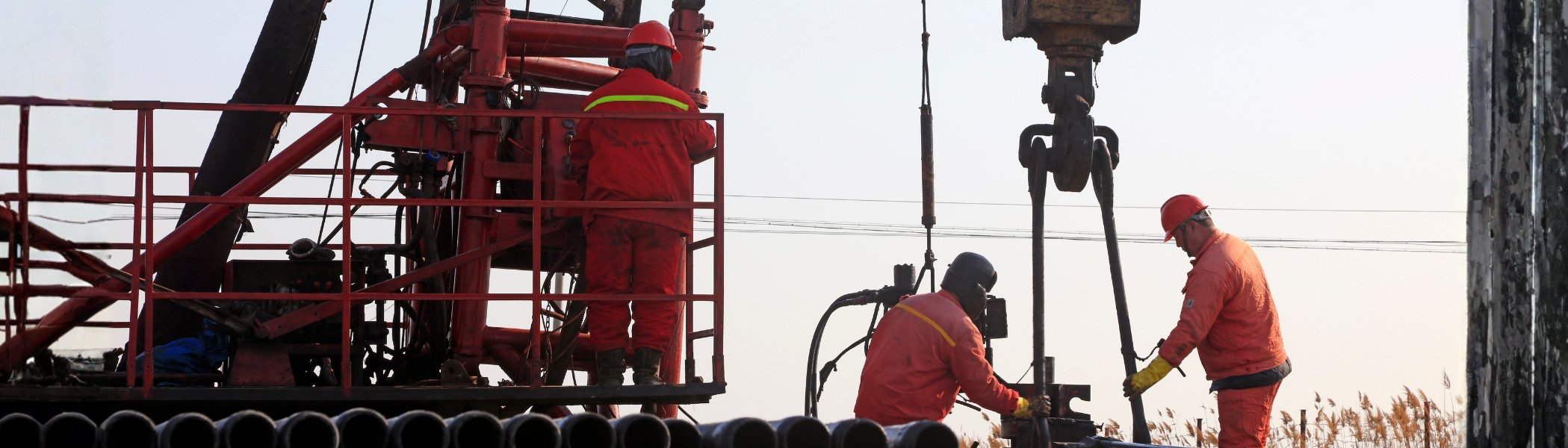
The Oil Market Absorbed the War Shock, but Buffers Are Running Low
As geopolitical gridlock continues to threaten international energy corridors, the shrinking of global oil supply shock buffers presents a major threat to global growth. The closure of the strategic Strait of Hormuz…
-

Haiti: Signs of hope despite gang violence and political uncertainty.
Humanitarian Crisis Deepens as Millions Need Assistance. Haiti continues to face one of the most severe humanitarian emergencies in the Americas. More than 6.4 million people require humanitarian assistance, while…
-
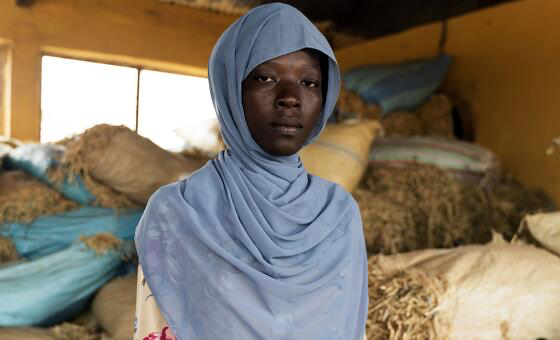
Hunger deepens for displaced families in Sudan’s El Obeid
As internal conflicts continue to fragment regional security across East Africa, the intensifying Sudan displacement crisis hunger emergency has reached a dangerous tipping point. United Nations humanitarian officials confirmed that over 100,000…
-
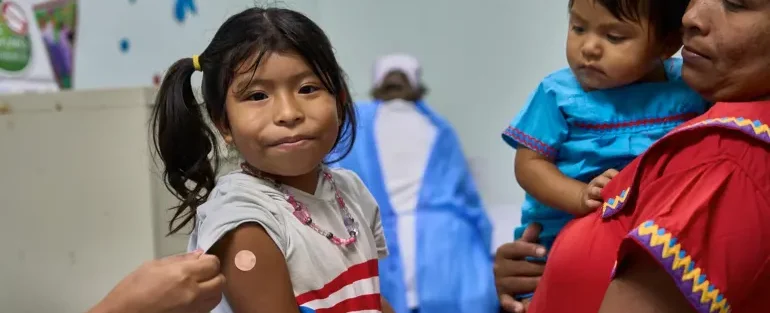
La cobertura mundial de inmunización infantil avanza lentamente pese a los conflictos y la reticencia a la vacunación.
La vacunación infantil muestra avances, pero aún no recupera los niveles previos a la pandemia. La cobertura mundial de inmunización infantil registró una ligera mejoría durante 2025. Según la Organización…
-

Cómo la inteligencia artificial puede acelerar la reducción de las emisiones de metano.
La inteligencia artificial convierte datos satelitales en acciones contra las emisiones de metano. La inteligencia artificial (IA) está fortaleciendo la lucha contra el cambio climático al transformar grandes volúmenes de…
-
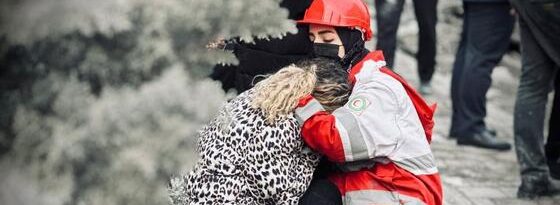
El conflicto en Oriente Medio podría empujar a 23 millones de niños más a la pobreza.
El impacto económico del conflicto alcanza a la infancia. El conflicto en Oriente Medio está generando consecuencias que trascienden la región. De acuerdo con UNICEF, el incremento en los precios…
-
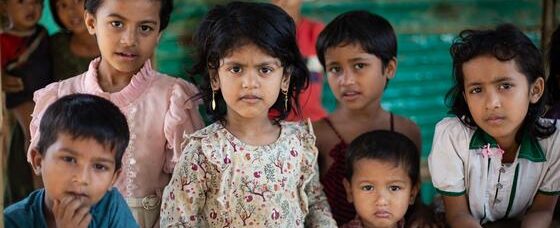
Dos de cada tres personas respaldan el derecho a solicitar asilo y la generación Z muestra la mayor empatía.
El apoyo al derecho de asilo se mantiene firme. Una encuesta realizada por ACNUR e Ipsos en 29 países, con la participación de más de 21.500 personas, revela que dos…
-
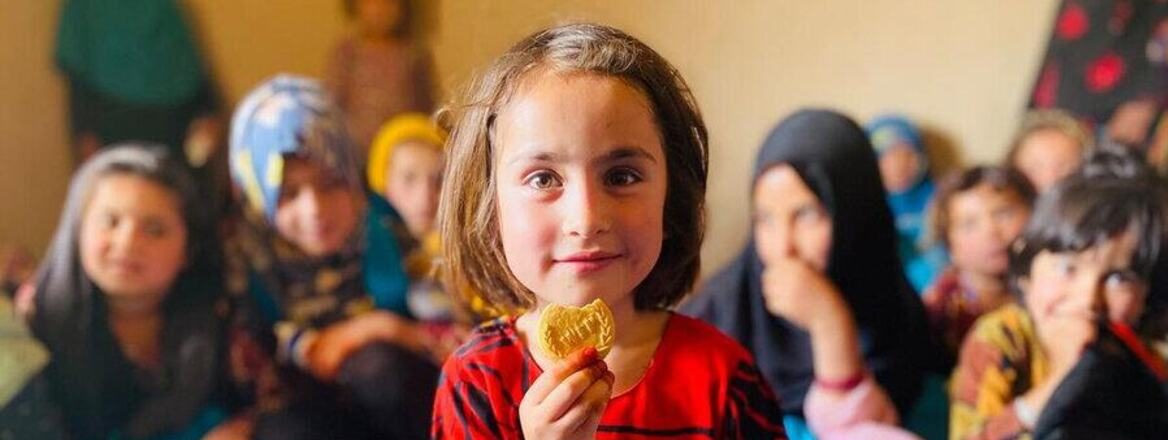
La crisis alimentaria amenaza a 3,7 millones de niños en Afganistán.
La inseguridad alimentaria pone en riesgo a millones de niños. Un nuevo informe de UNICEF advierte que 3,7 millones de niños menores de cinco años en Afganistán enfrentan un alto…
-
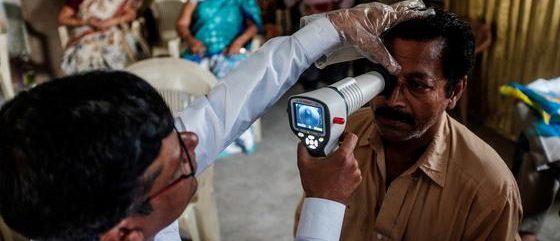
El Salvador elimina el tracoma como problema de salud pública.
El Salvador alcanza un logro histórico en salud pública. La Organización Mundial de la Salud (OMS) validó que El Salvador ha eliminado el tracoma como problema de salud pública, convirtiéndose…
-
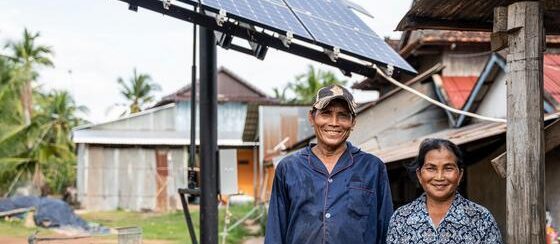
Sin financiación, los Objetivos de Desarrollo Sostenible seguirán fuera de alcance.
El avance de la Agenda 2030 pierde impulso por la falta de recursos. A cuatro años de que concluya el plazo para cumplir la Agenda 2030, los líderes de las…
-
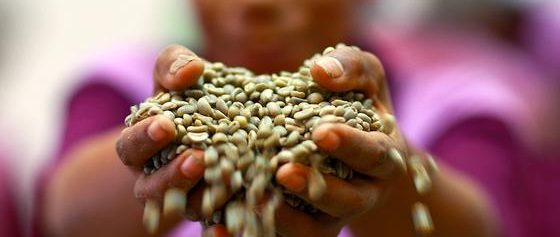
El clima y la producción concentrada disparan la volatilidad de los precios del café, el cacao y el té.
El cambio climático incrementa la inestabilidad de los mercados agrícolas. Un informe de la Organización de las Naciones Unidas para la Alimentación y la Agricultura (FAO) señala que los precios…
-
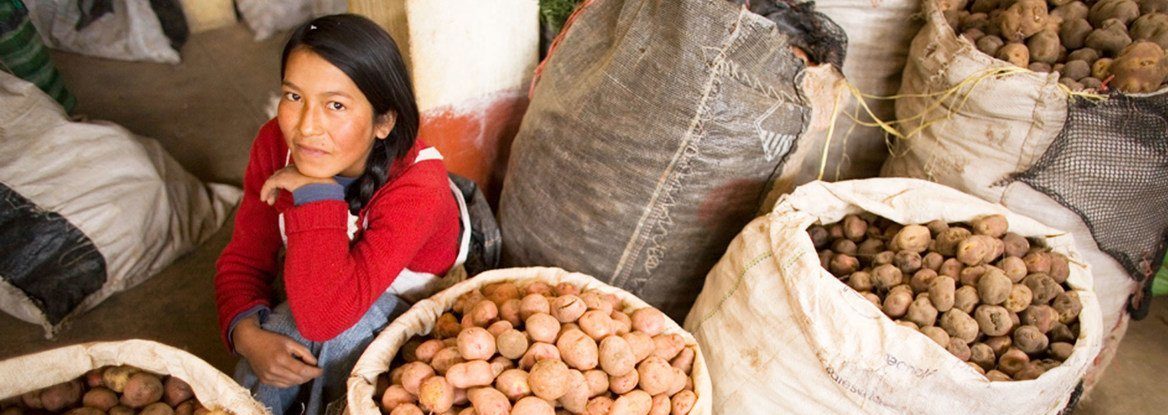
El conflicto en Irán seguirá golpeando el bolsillo y la economía de América Latina durante todo 2026.
La CEPAL advierte sobre un impacto económico prolongado en la región. La Comisión Económica para América Latina y el Caribe (CEPAL) alertó que el conflicto entre Estados Unidos e Irán…
-
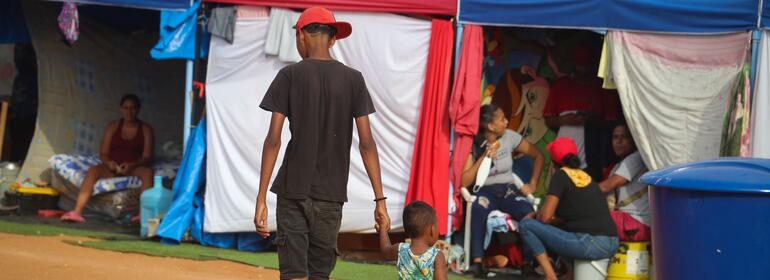
En Venezuela, los terremotos agravan la fragilidad de un sistema de salud ya bajo presión.
Un sistema sanitario que enfrenta una emergencia prolongada. Los terremotos registrados en Venezuela agravaron la situación de un sistema de salud que ya enfrentaba importantes limitaciones antes del desastre. La…
-
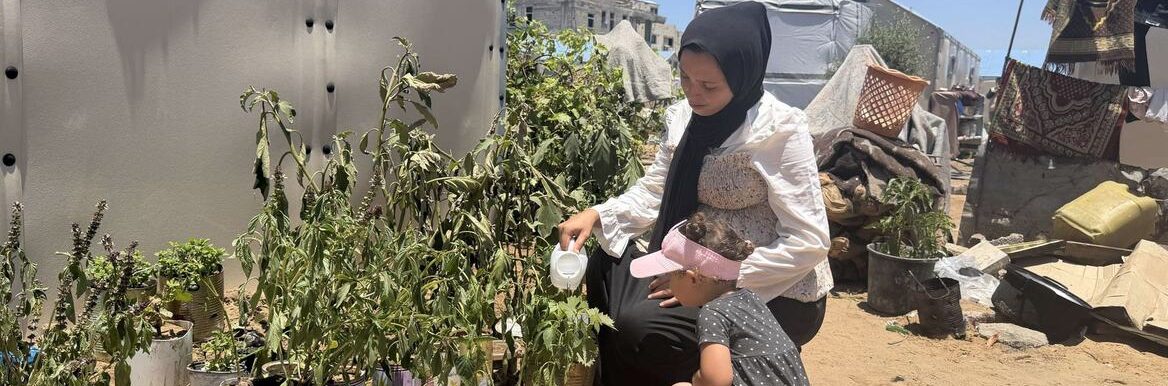
Reviving communities home by home in Gaza.
Temporary housing offers displaced families a new beginning. After being displaced countless times since the outbreak of the Israel-Hamas war in October 2023, 24-year-old Mayyada and her family have finally…