
El Observatorio Global UDLAP (OGU) es una iniciativa sólida y necesaria para entender la complejidad del sistema internacional actual, especialmente considerando la relevancia estratégica de México en foros como APEC.
El OGU es un recurso valioso para monitorear temas apasionantes como la economía y la política globales y se consolida como un centro de análisis crítico coordinado por el Departamento de Relaciones Internacionales y Ciencia Política de la UDLAP.
El Observatorio cuenta con cuatro pilares fundamentales: APEC/PECC, Organismos Internacionales, Prensa Internacional y Think Tanks.
Pilares del Observatorio
Te invitamos a explorar nuestro repositorio de noticias con los temas más actuales.

APEC / PECC
Esta sección es clave para el seguimiento del Foro de Cooperación Económica Asia-Pacífico, sobre todo ahora que México será sede del Foro en el año 2028. Se enfoca en:
- Seguimiento de políticas públicas regionales que inciden en el crecimiento económico.
- Análisis de comunicados de líderes y ministros.
- Temas de liberalización del comercio e inversión en la región transpacífica.

Organismos Internacionales
Monitorea la actividad de las instituciones que rigen la gobernanza global, tales como:
- Sistema de Naciones Unidas: PNUD, PNUMA, UNICEF, FAO, OIT, entre otros.
- Instituciones Financieras y Comerciales: Seguimiento puntual a la Organización Mundial del Comercio y al Fondo Monetario Internacional (FMI).

Prensa Internacional
Esta sección ofrece una cobertura objetiva y concisa de los acontecimientos a través del monitoreo de los principales diarios internacionales y agencias de noticias en diversas regiones geográficas como América Latina y el Caribe, África, Asia-Pacífico, Europa y Medio Oriente.

Think Tanks
El Observatorio mantiene alianzas con centros de reflexión en México que son referentes en la economía política global, tales como:
- PECC-México (Consejo de Cooperación Económica del Pacífico).
- COMEXI (Consejo Mexicano de Asuntos Internacionales).
- AMEI (Asociación Mexicana de Estudios Internacionales).
El OGU es un excelente espacio para dar seguimiento a las propuestas de políticas públicas orientadas a definir la posición de México ante los cambios en el entorno global. Actúa como un puente con la generación de conocimiento global, reseñando documentos de instituciones de prestigio mundial como:
- América del Norte: Brookings Institution, Carnegie Endowment, CSIS, Council on Foreign Relations (CFR), PIIE, Wilson Center.
- Europa y otros: Chatham House (Reino Unido), Bruegel (Bélgica), SIPRI (Suecia), JIIA (Japón).
Notas a través del mundo
A continuación te presentamos las notas de la Prensa Internacional que acontecen desde una vista geográfica.
África

América del Norte
América Latina y el Caribe
Ártico y Antártico

Asia Central
Asia del Sur

Asia – Pacífico
Europa

Global

Medio Oriente

¿Buscas algún acontecimiento?
Lee, analiza y comparte
-

¿Vamos a morir todos o es solo teatro? Argumentos contra el apocalipisis de la IA
El artículo analiza el miedo creciente de que la inteligencia artificial pueda provocar la extinción de la humanidad. Algunos líderes de la industria tecnológica han advertido sobre estos riesgos y han pedido reducir el ritmo…
-

US-Canada trade war further taxes small businesses as costs rise during the Iran war
Tariffs Create Outsized Pressure on Small Firms The trade war between the United States and Canada is raising costs and disrupting sales for small companies in both countries. Canada imposed reciprocal tariffs on about $20…
-

OpenAI claims huge maths breakthrough on a famed “Millennium Problem”
The article reports that OpenAI claims to have solved a major open problem in mathematics using artificial intelligence. The problem is related to the motion of fluids and is connected to one of the famous…
-
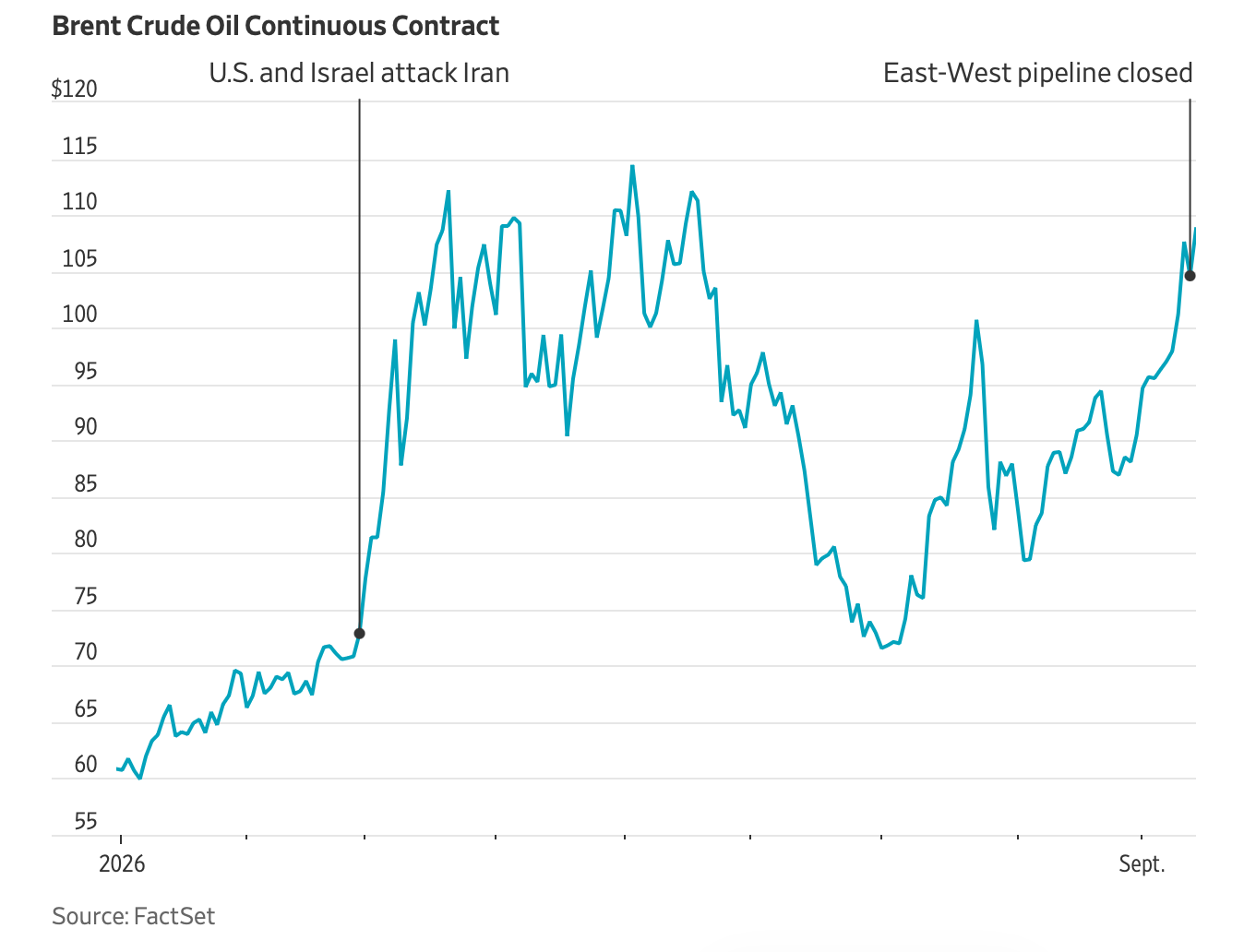
What Is Saudi Arabia’s East-West Pipeline and Why Is It Rocking Oil Markets?
En: Think TanksSaudi Arabia’s East-West pipeline links Persian Gulf fields directly to the Red Sea port of Yanbu. Specifically, this 750-mile infrastructure allows crude exports to bypass the Strait of Hormuz. However, recent drone strikes launched by Iran-backed Iraqi…
-

Tracking Trump’s tariffs and other trade actions
En: Think TanksThe landscape of international trade is undergoing a fundamental transformation. Specifically, the Brookings Institution tracker details an aggressive expansion of tariff policies by the United States. However, this strategy extends well beyond retaliatory measures against…
-
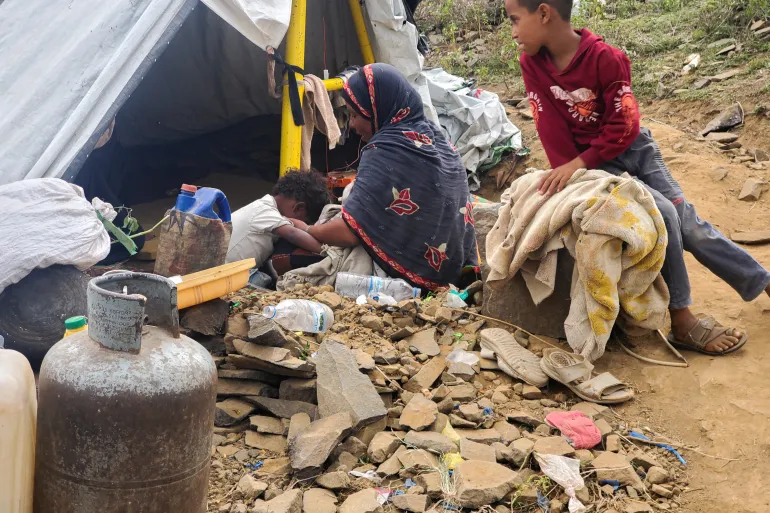
More than 100,000 displaced as they flee violence in Yemen: UN
A rapid escalation in military conflict along the western coast has forced more than 100,000 people to flee their homes inside the country. Thousands of displaced individuals are also making dangerous maritime journeys across strategic…
-
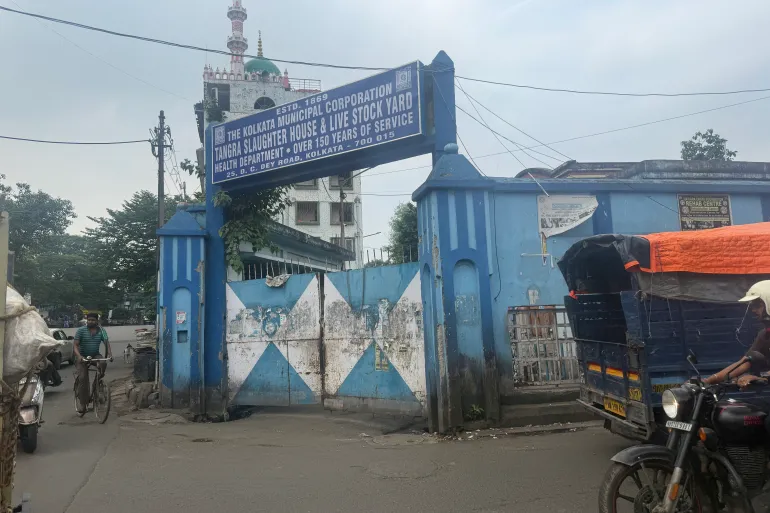
‘More dangerous than drugs’: BJP’s war on beef in India’s West Bengal
Political rhetoric around cattle protection and dietary choices has intensified significantly ahead of regional elections in an eastern state.
-
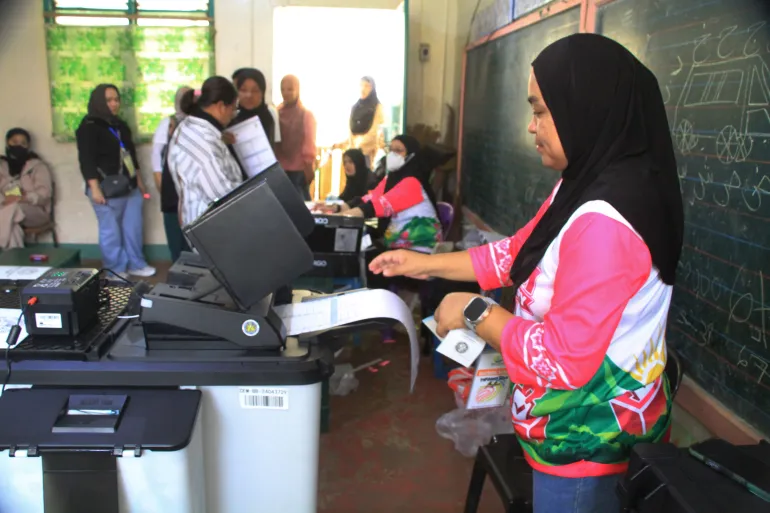
Election in Philippines’ Bangsamoro region ends in hung parliament
The first landmark parliamentary elections in an autonomous southern region ended in a hung parliament, as no single political party secured an absolute majority. Main rival political factions, which emerged from a historic peace movement,…
-

Why is pro-Palestinian activist Mahmoud Khalil suing Columbia University?
A prominent student activist and a pro-Palestinian campus group filed a federal civil rights lawsuit against their university in federal court. The legal complaint alleges that the institution demonstrated deliberate indifference toward systematic harassment, threats,…
-
The United States and China: Still Not Number One
A comprehensive global study reveals that despite intense geopolitical competition, the world’s two largest superpowers consistently fail to secure top rankings in social well-being and quality of life.
-
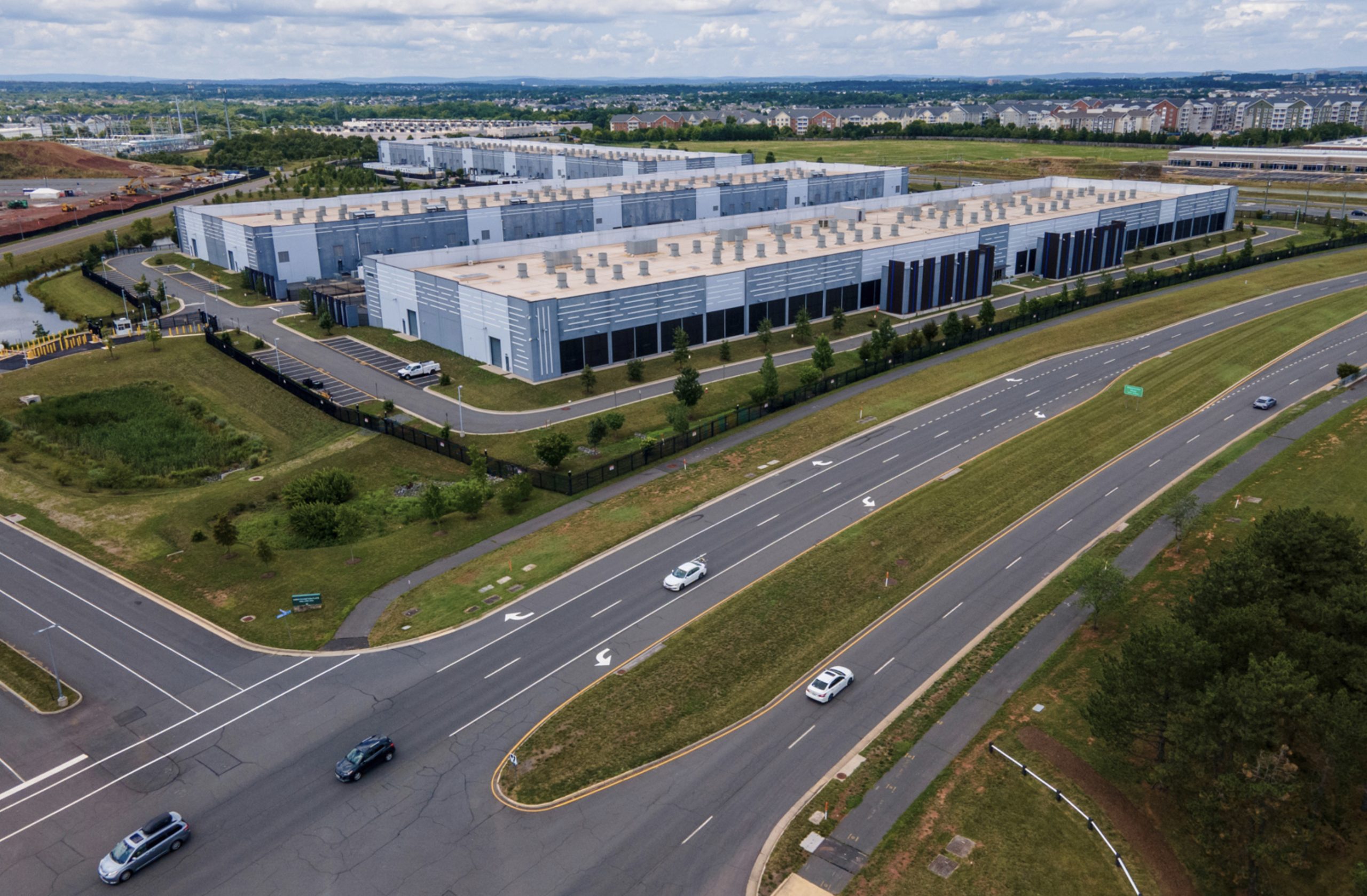
There’s one issue where Republicans and Democrats are unified before the midterms, a new poll finds
Rising Environmental Concerns Currently, a new poll reveals that Americans are growing increasingly worried about the environmental impacts of artificial intelligence. Specifically, about 53 percent of the public is now highly concerned about these ecological consequences,…
-
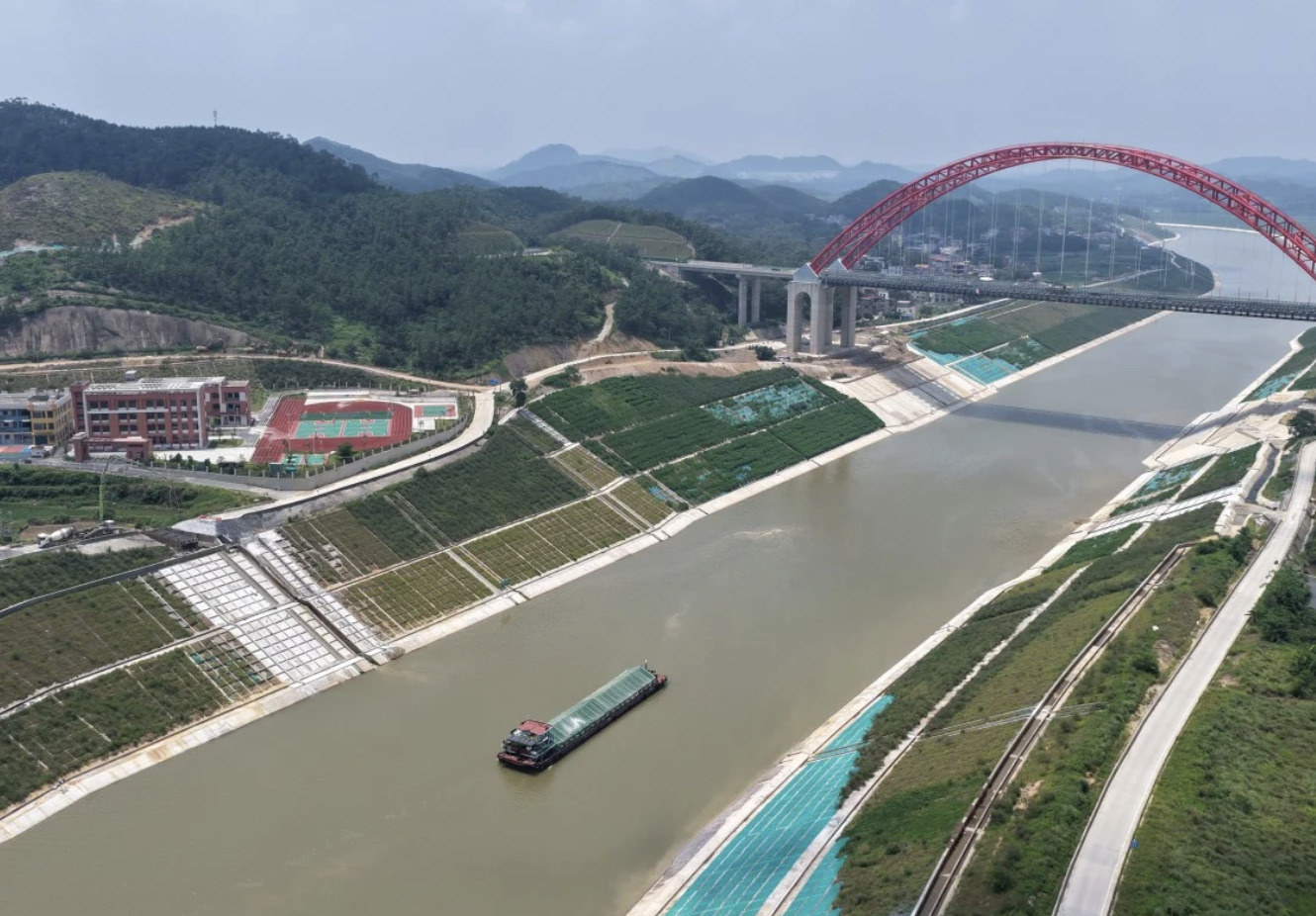
China launches new canal, first of its kind since 1949, giving inland access to sea lanes
The Historic Opening and New Routes Currently, China has officially opened its landmark Pinglu Canal, establishing a vital new maritime gateway for the country’s southwestern hinterland. Specifically, the 134.2-kilometer waterway connects Nanning directly to the Gulf…
-

Trump slams the Supreme Court for rejecting his push to restrict mail ballots
Presidential Backlash Against the Supreme Court Currently, President Donald Trump fiercely criticized the Supreme Court after it rejected his administration’s last-minute push to restrict mail-in voting. Specifically, Trump targeted the conservative justices he nominated—Neil Gorsuch, Amy…
-

AI fight shadows final preparations for Xi Jinping’s White House visit to meet Donald Trump
High-Stakes Summit Prep and AI Negotiations Currently, rising geopolitical tensions over artificial intelligence are heavily shaping preparations for Chinese President Xi Jinping’s upcoming White House visit with President Donald Trump. Specifically, officials are planning to fold…
-
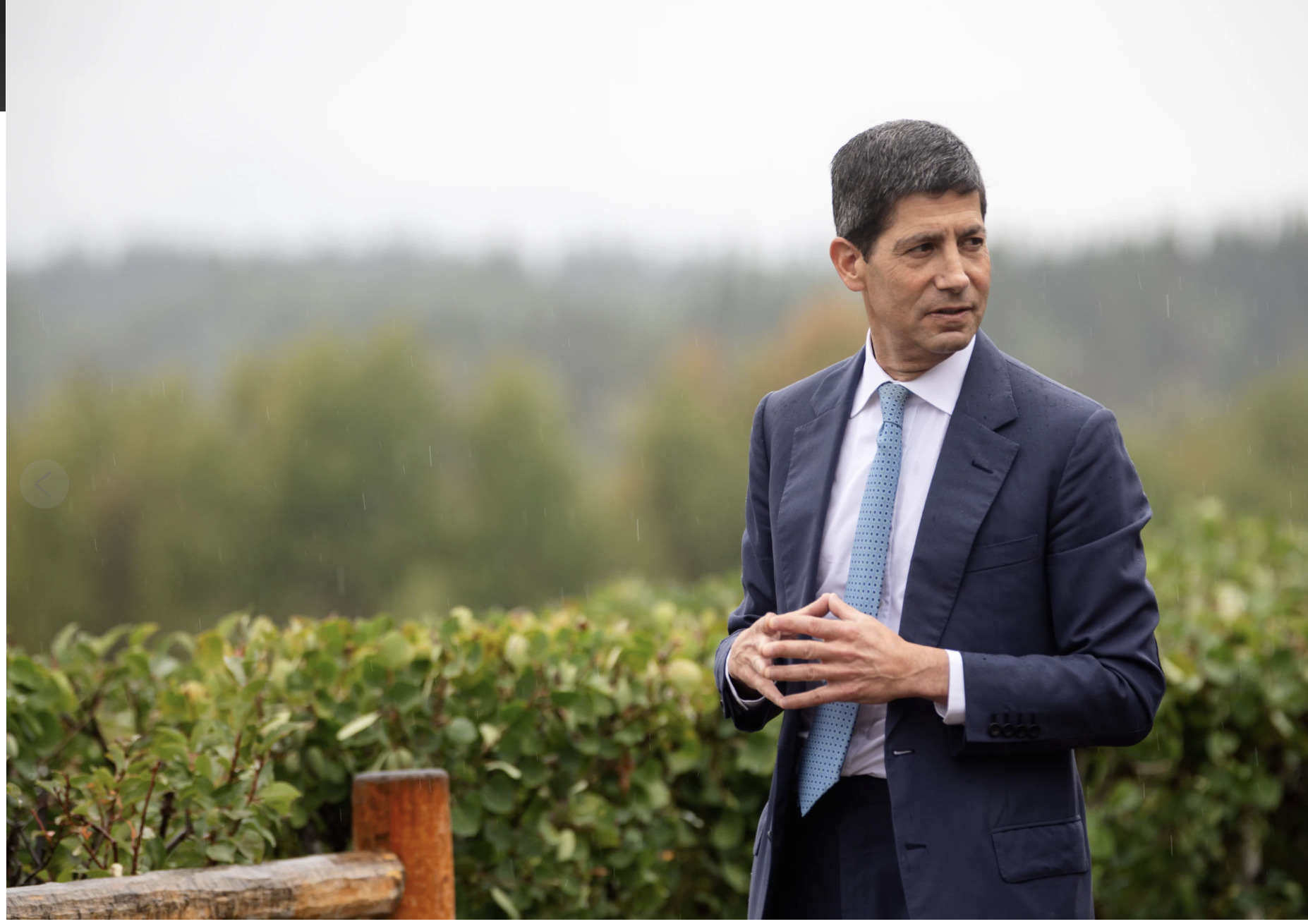
Federal Reserve is expected to raise its benchmark rate, defying Trump’s demands
Expected Rate Hike and Political Pressure Currently, the Federal Reserve is widely expected to lift its short-term interest rate for the first time in three years to fight stubbornly high inflation. Specifically, this highly anticipated move…