
Think Tanks
-
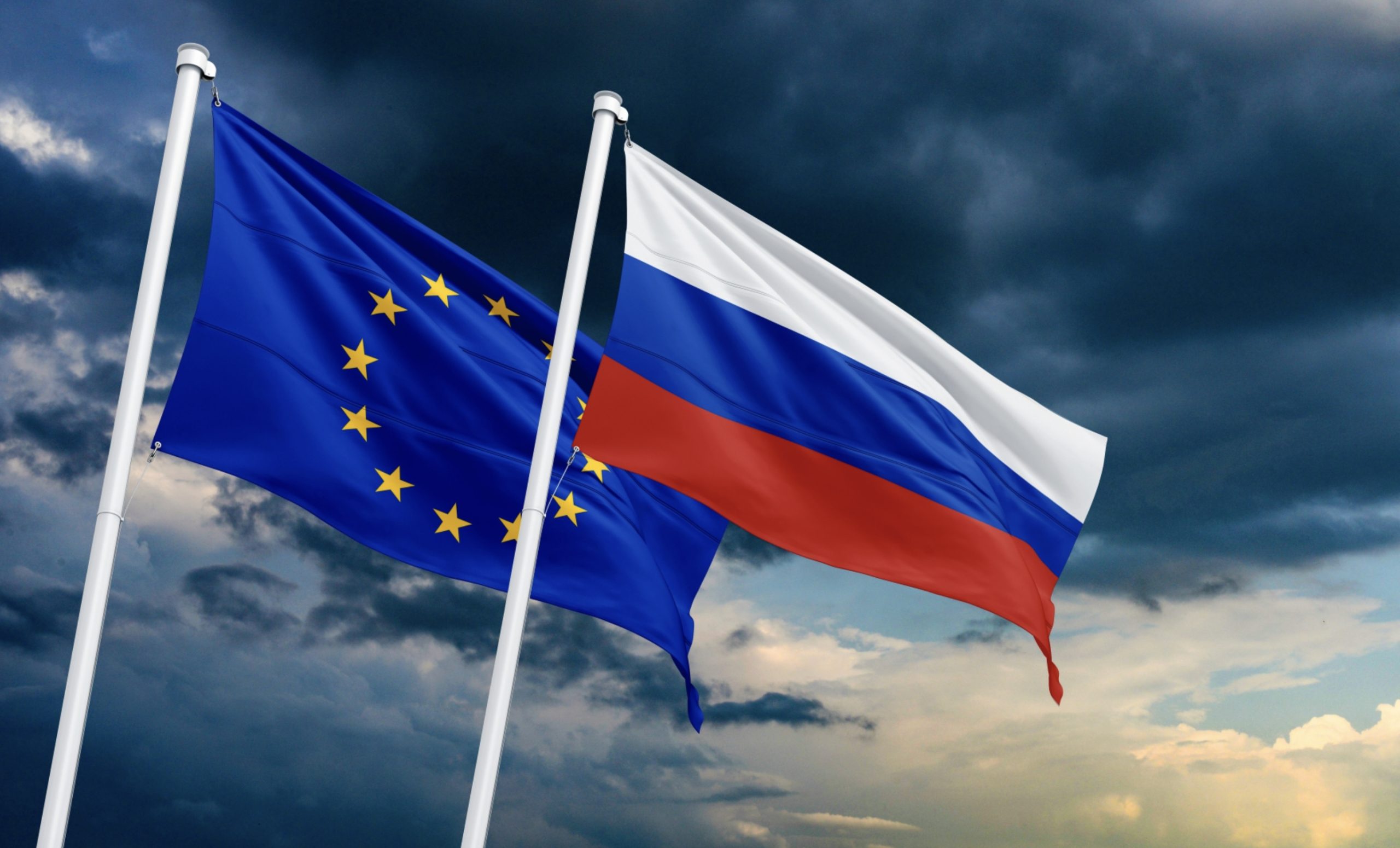
An update on Europe’s Russia sanctions
The New European Sanctions The European Union officially announced its 21st package of Russia sanctions on July 23. These new energy-related measures include freezing the crude oil price cap at…
-

AI tax debate misses the threat that’s already here
The AI Tax Debate and Fiscal Reality Senator Wyden recently proposed limiting tax benefits for new data centers and levying a new excise tax. Many lawmakers actively want to use…
-
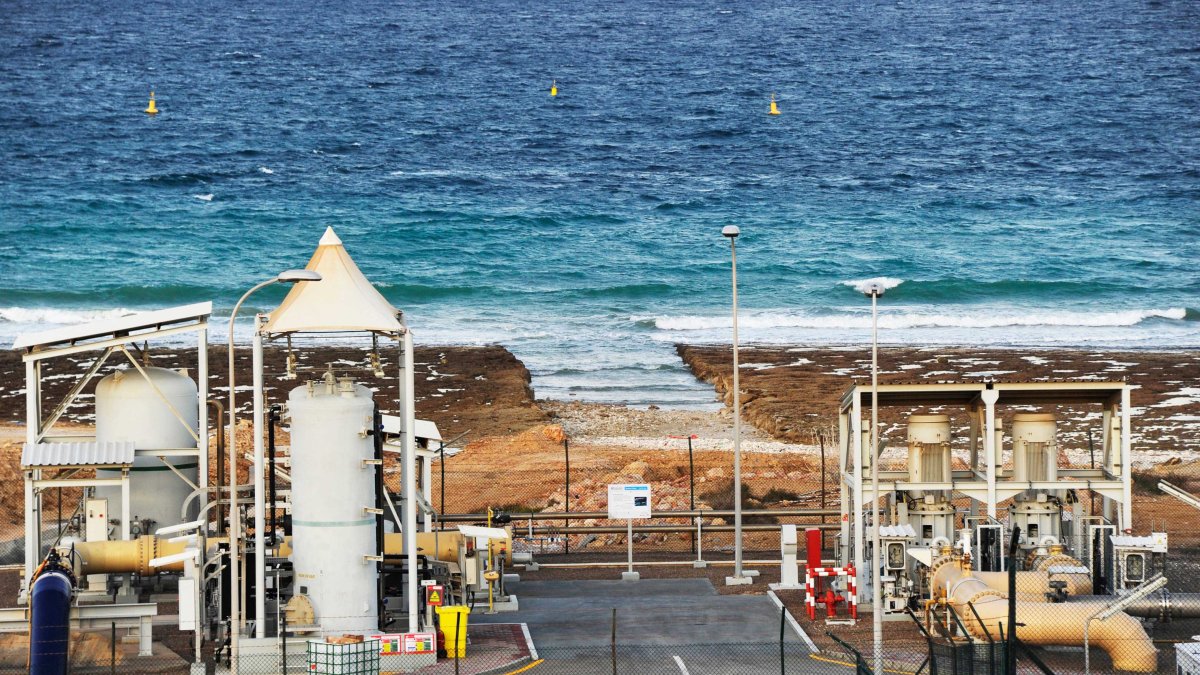
Rethinking Water as a Frontline Security Risk
Water stress has evolved from an environmental and developmental issue into a primary frontline national security risk.
-
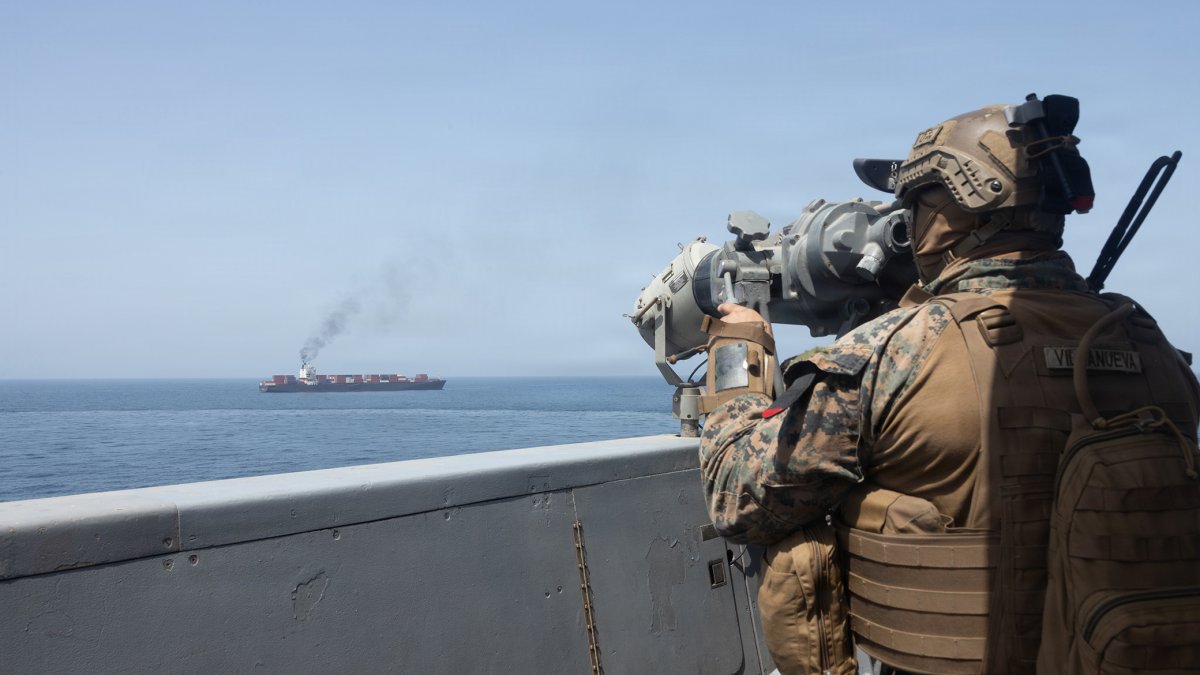
The Battle for Hormuz Will Reshape the Global LNG Market
The escalation of military conflict involving the United States, Israel, and Iran has transformed the Strait of Hormuz into a central strategic battleground.
-

The national security implications of building frontier AI data centers overseas
Building frontier artificial intelligence data centers overseas has shifted from a routine commercial decision to a high-stakes national security choice.
-
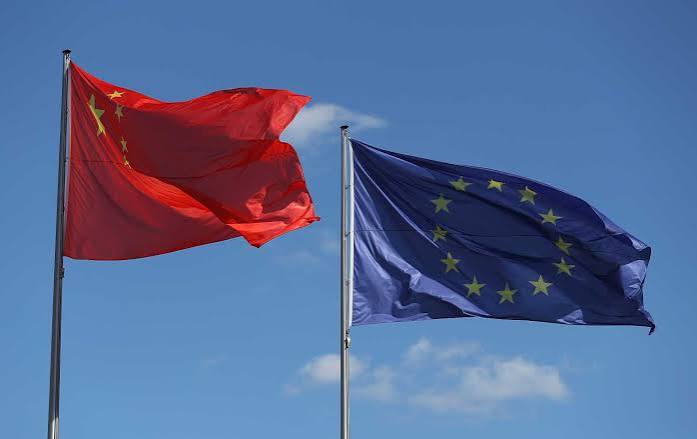
Can Europe survive China Shock 2.0?
An intense wave of Chinese industrial overcapacity and export expansion, often termed “China Shock 2.0”, presents a severe existential threat to European manufacturing and economic stability.
-
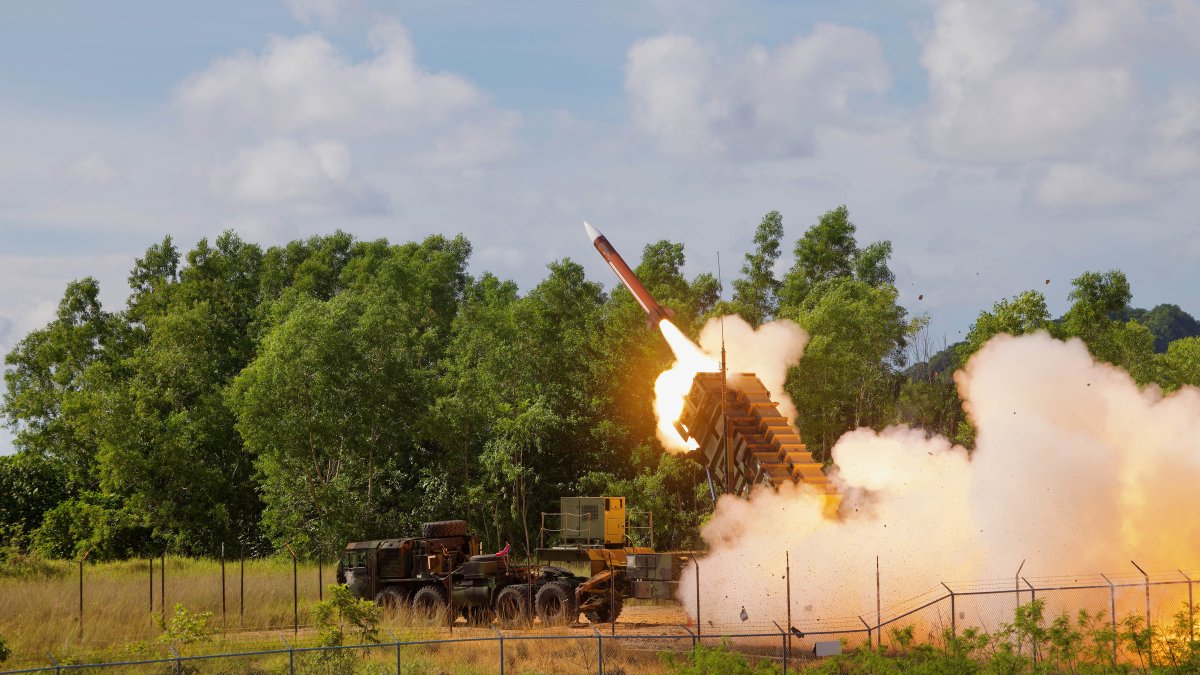
Six Reasons Why the United States Is Low on Munitions
The depletion of United States military munitions stockpiles stems from a complex mix of active operational usage and long-standing structural issues.
-
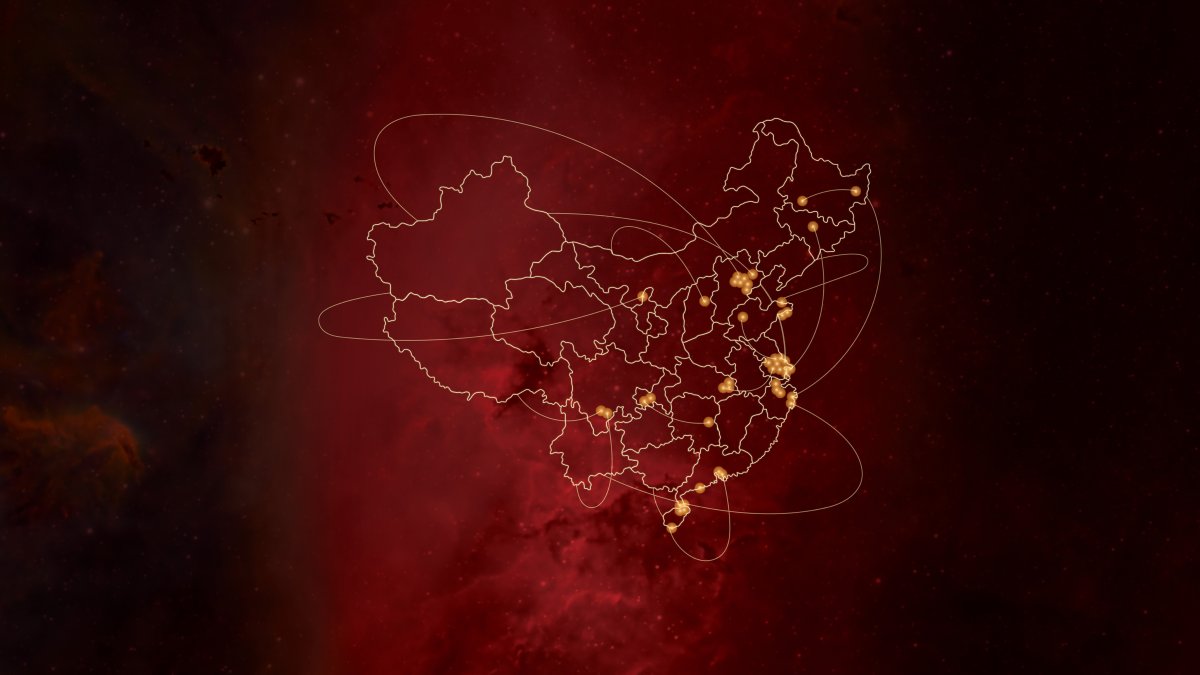
Blurred Orbits: Inside China’s Commercial Space Expansion
The rapid expansion of China’s commercial space ecosystem represents a massive industrial and technological shift that is transforming the global aerospace landscape.
-

Measuring immigrant public benefit participation: A methodological guide
Discrepancies across research studies evaluating immigrant public benefit participation stem primarily from distinct analytical choices rather than conflicting raw data. A methodological guide published by the Brookings Institution demonstrates how widely cited…
-
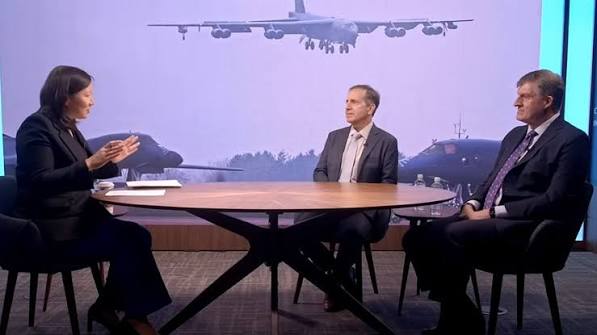
The Air Campaign Returns: From Epic Fury to Midnight Hammer
Recent air operations, including Operations Epic Fury, Midnight Hammer, and Absolute Resolve. Have renewed national focus on the role of strategic airpower in modern warfare.
-

AI Strategies and the Informal Economy: Africa’s Job Creation Test
National artificial intelligence strategies across African nations are facing a critical alignment test, as current policies often emphasize formal sector tech hubs while overlooking the informal economy. Which accounts for…
-

Russia and Ukraine: Societies transformed by war
The Role of Adaptability Both Russian and Ukrainian societies developed strong resilience during the Soviet era. However, they use these critical skills very differently today. In Russia, adaptability is primarily…
-
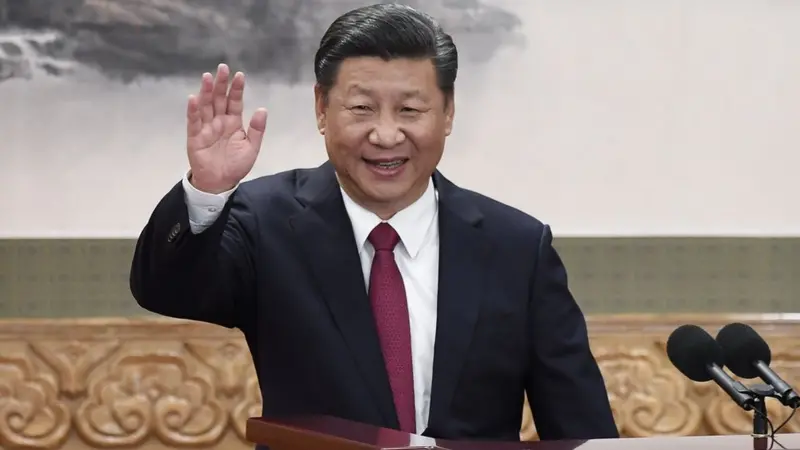
Xi Jinping Seeks to Contain a Political Scandal Within China’s Leadership
A Sensitive Challenge for Beijing According to Nikkei Asia, President Xi Jinping is working to contain the political consequences of a scandal that has reached members of his inner circle.…
-
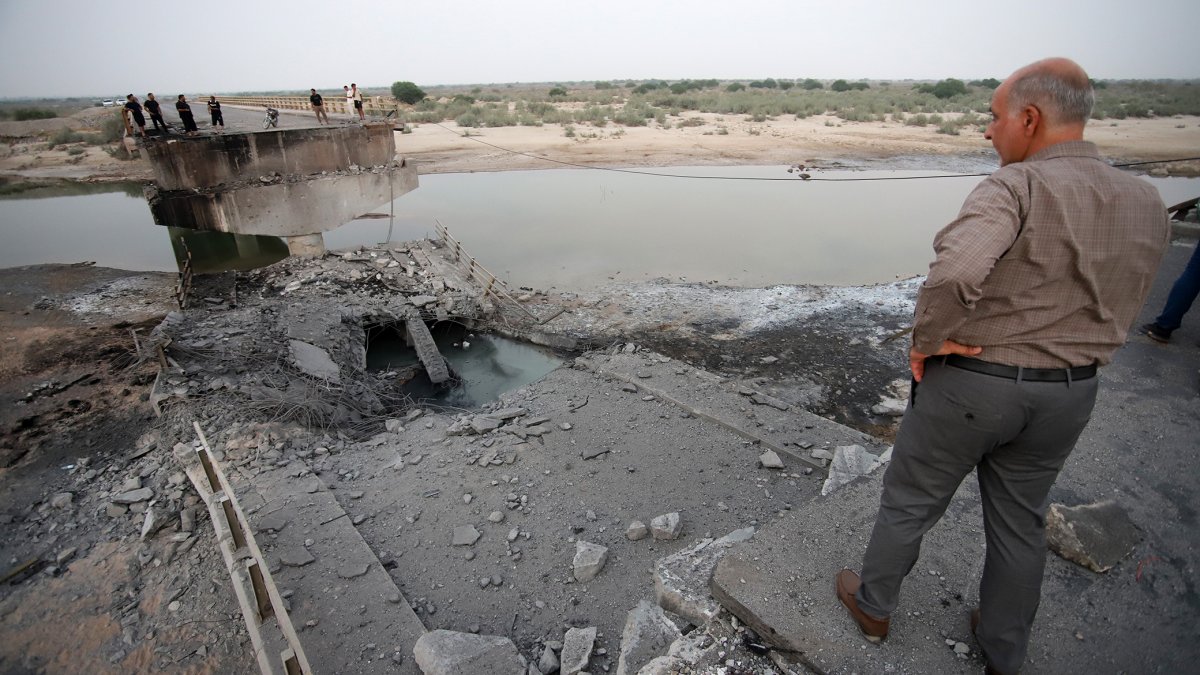
Is the Iran War Entering a Dangerous New Phase?
A renewed surge in military hostilities between the United States and Iran has pushed the ongoing conflict into an unpredictable and expanding phase.
-
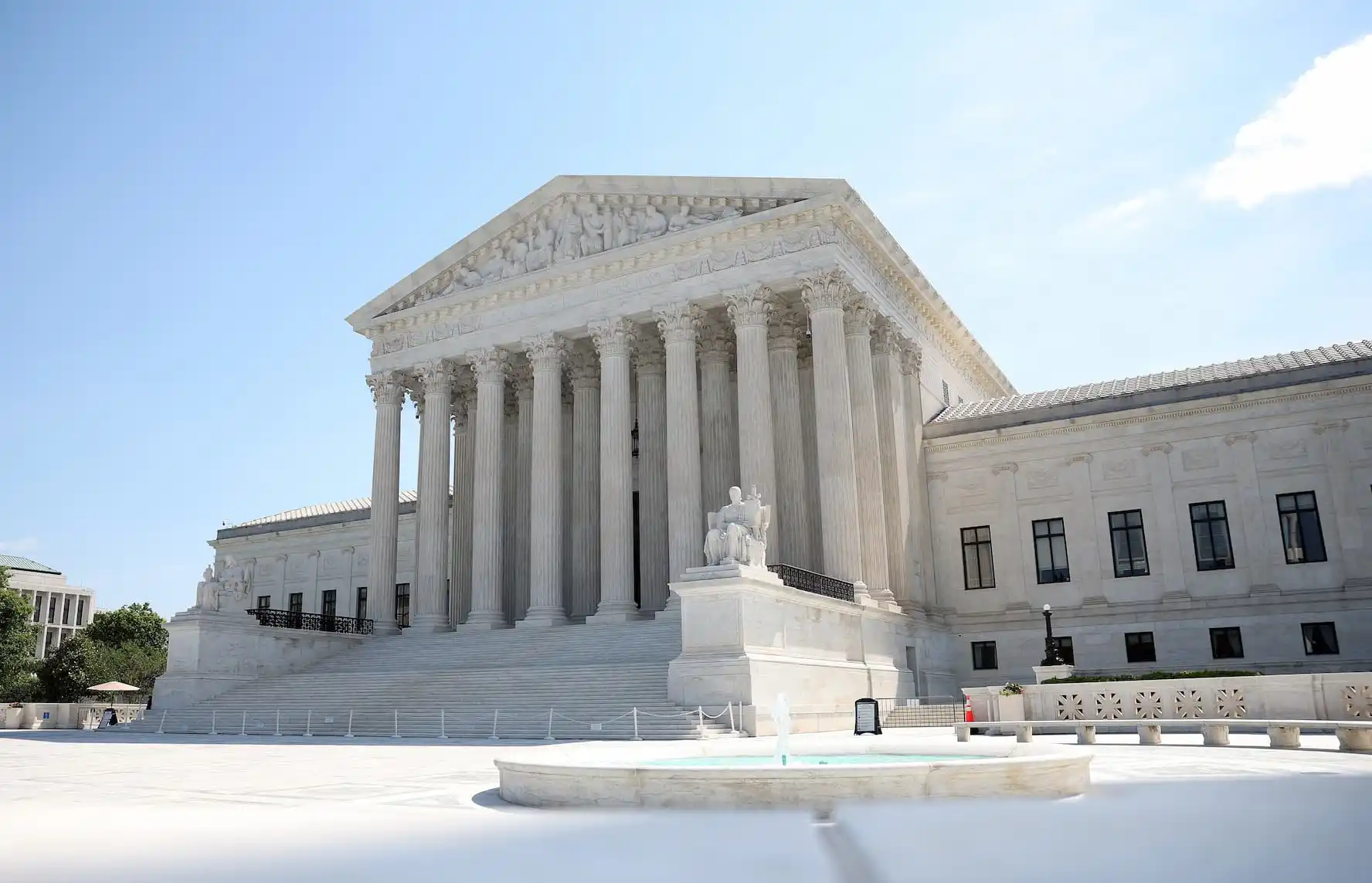
Supreme Court Update: IEEPA Tariffs and Domestic Military Deployments
The Supreme Court IEEPA tariffs decision marks an important moment in U.S. constitutional law. The Brookings article examines two major legal disputes. First, it analyzes the Supreme Court’s ruling on presidential tariff…
-
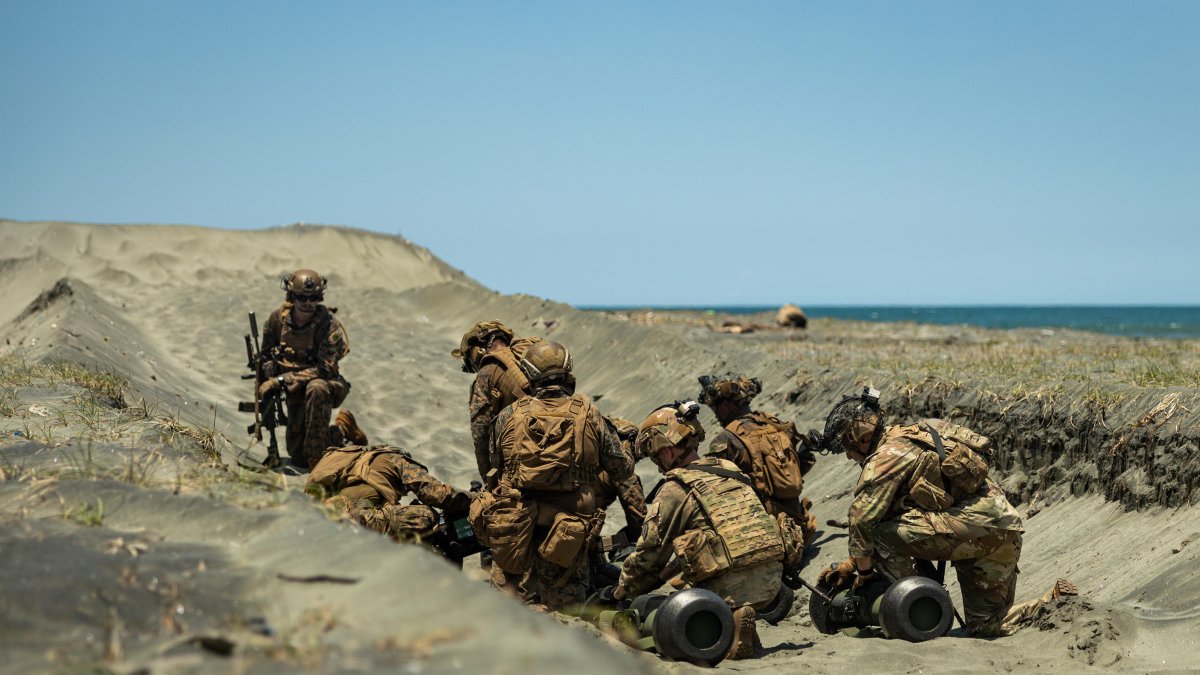
The Value of U.S. Land Power
The role and strategic utility of United States land power are facing intense scrutiny amid ongoing global conflicts in Eastern Europe and the Middle East. As well as heightened geopolitical…
-
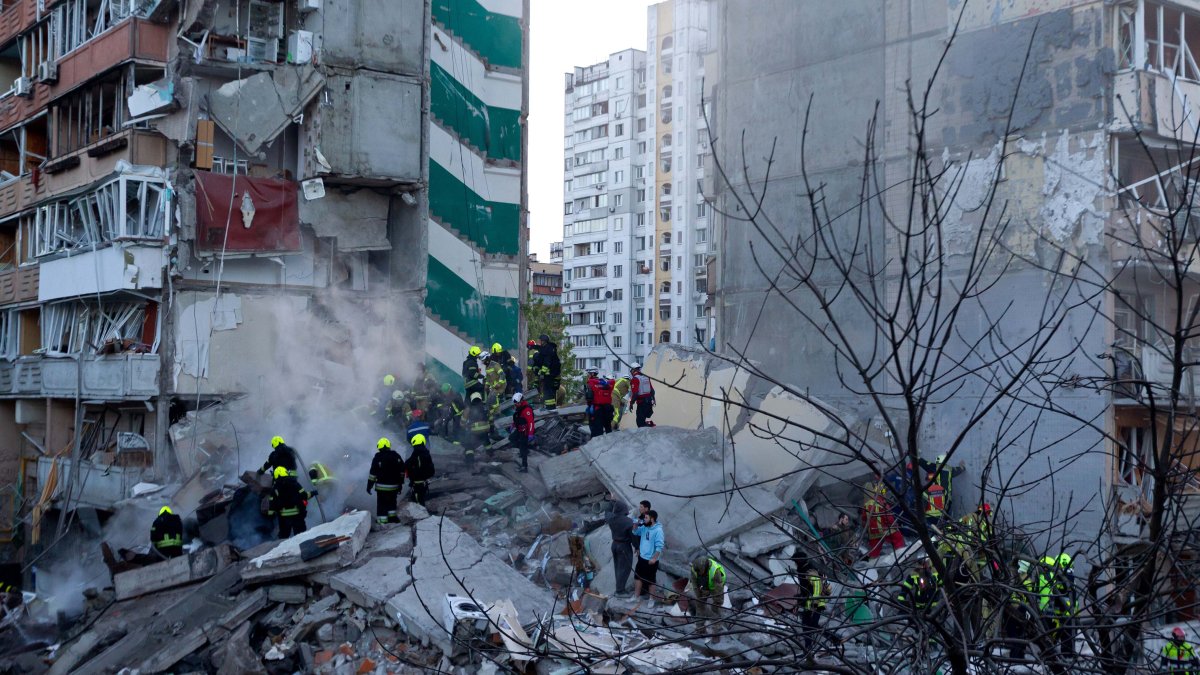
The Geography of Coercion: Russian Missile and Drone Campaigns in Ukraine
The Russian long-range missile and drone campaign in Ukraine operates as a highly geographic strategy of coercion. By deploying a calculated mix of ballistic missiles, cruise missiles, glide bombs, and…
-

Artificial Intelligence and the Future of Terrorism
The rapid advancement of artificial intelligence is poised to reshape the landscape of modern extremism. Though its impact will likely be evolutionary rather than revolutionary. While public anxiety often focuses…
-
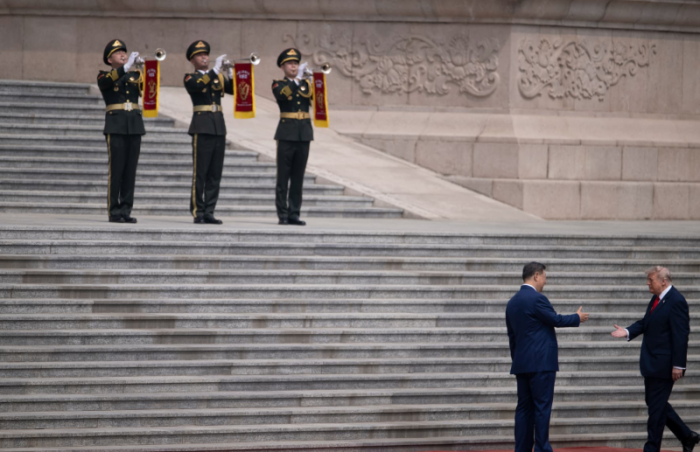
How the U.S. and China Can Cooperate to Reduce Urgent AI Risks
Artificial intelligence has become one of the main areas of competition between the United States and China. At the same time, both countries face a common challenge. They must reduce…
-

Who Holds the Advantage? Three Perspectives on the U.S.-China Military Balance
The U.S.-China military balance has become a major issue in international security. China has expanded and modernized its military over the last two decades. As a result, many experts now ask whether the…
-
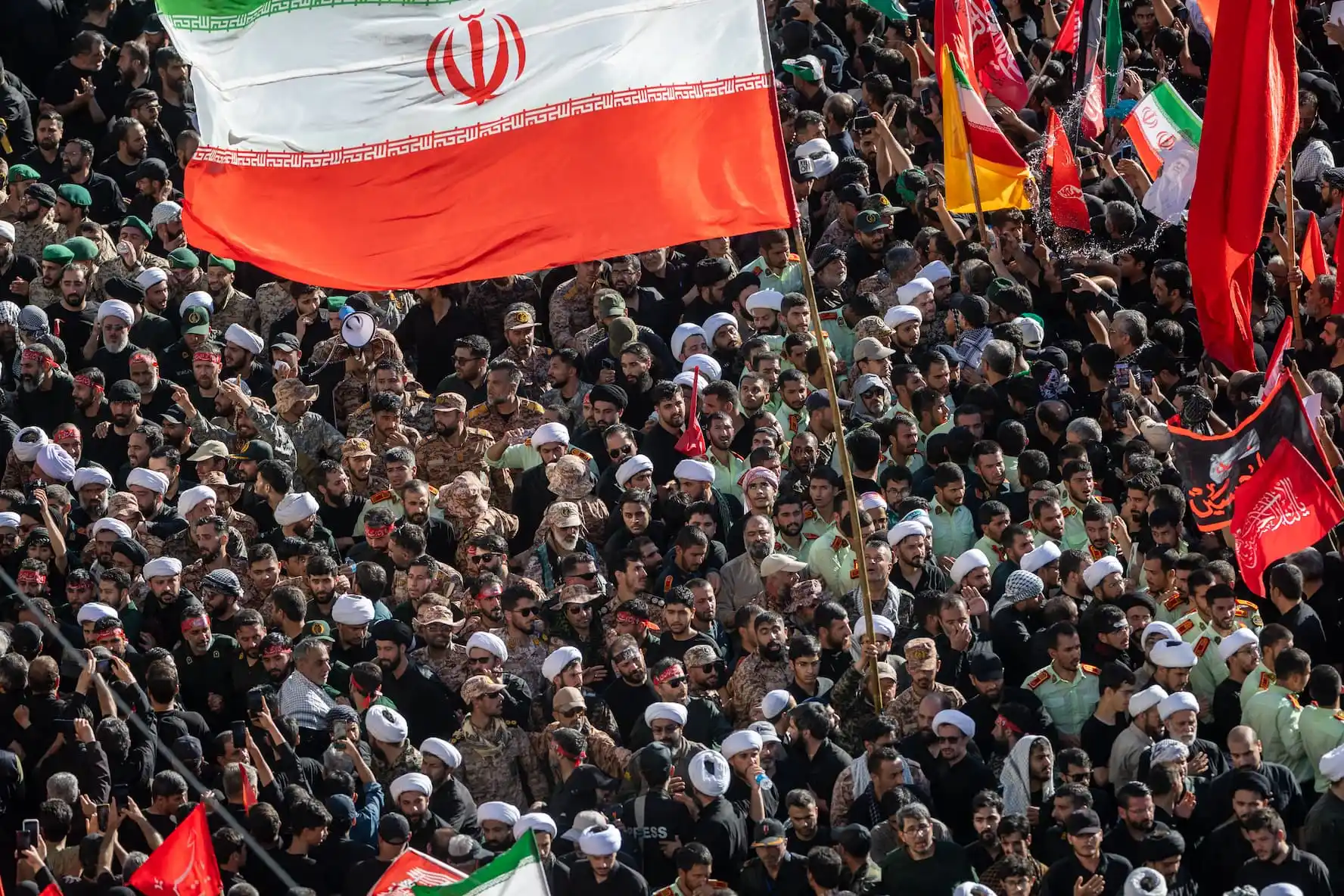
The Iran War and the War Powers Resolution
The war between the United States and Iran has renewed an old constitutional debate. The main question is whether the president can continue military operations without approval from Congress. As a…
-
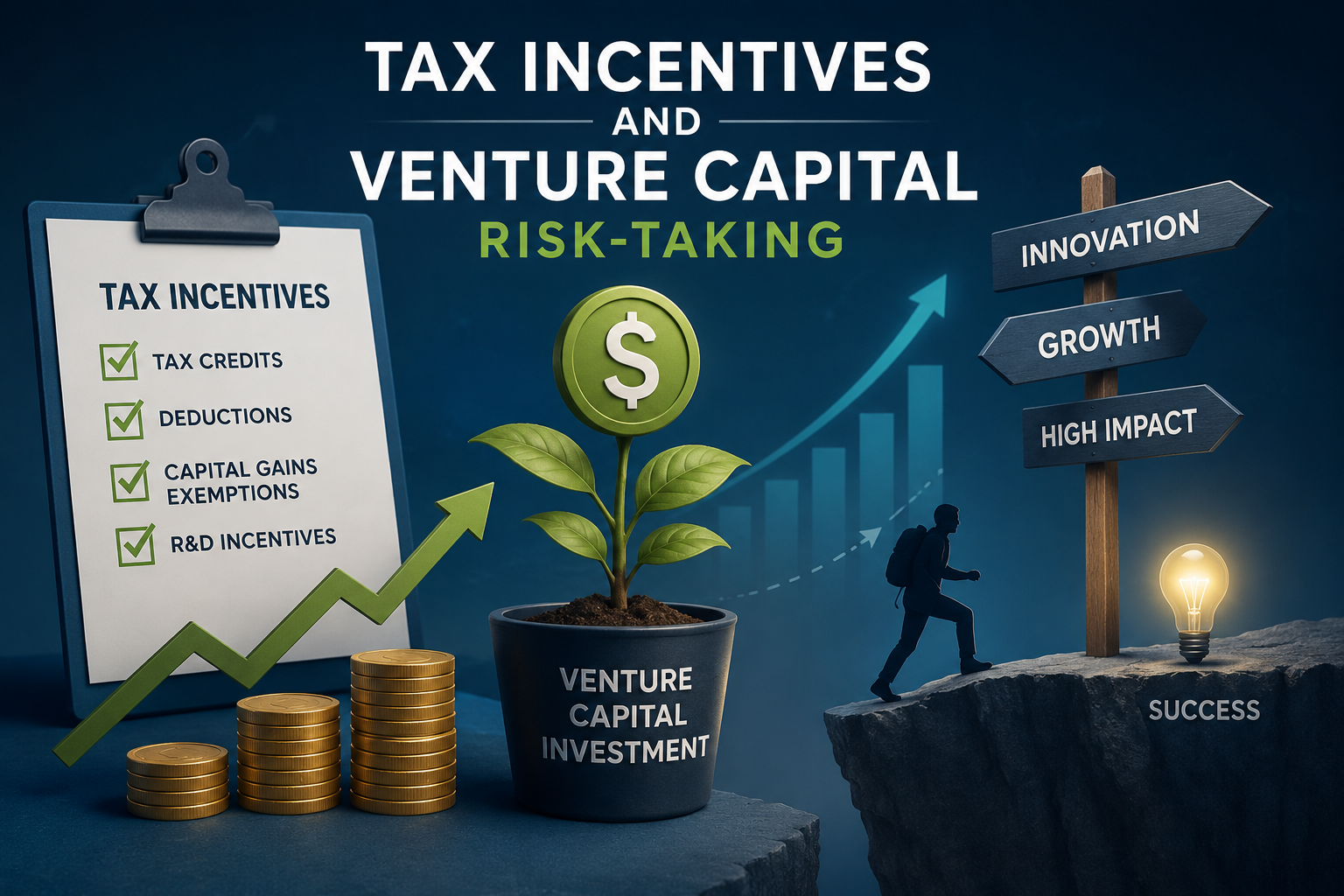
Tax Incentives and Venture Capital Risk-Taking: Evidence from the QSBS Program
In public economics and corporate finance, the long-term relationship between tax incentives venture capital risk allocation remains a core policy question. Governments frequently utilize targeted tax subsidies to accelerate technological innovation and…
-
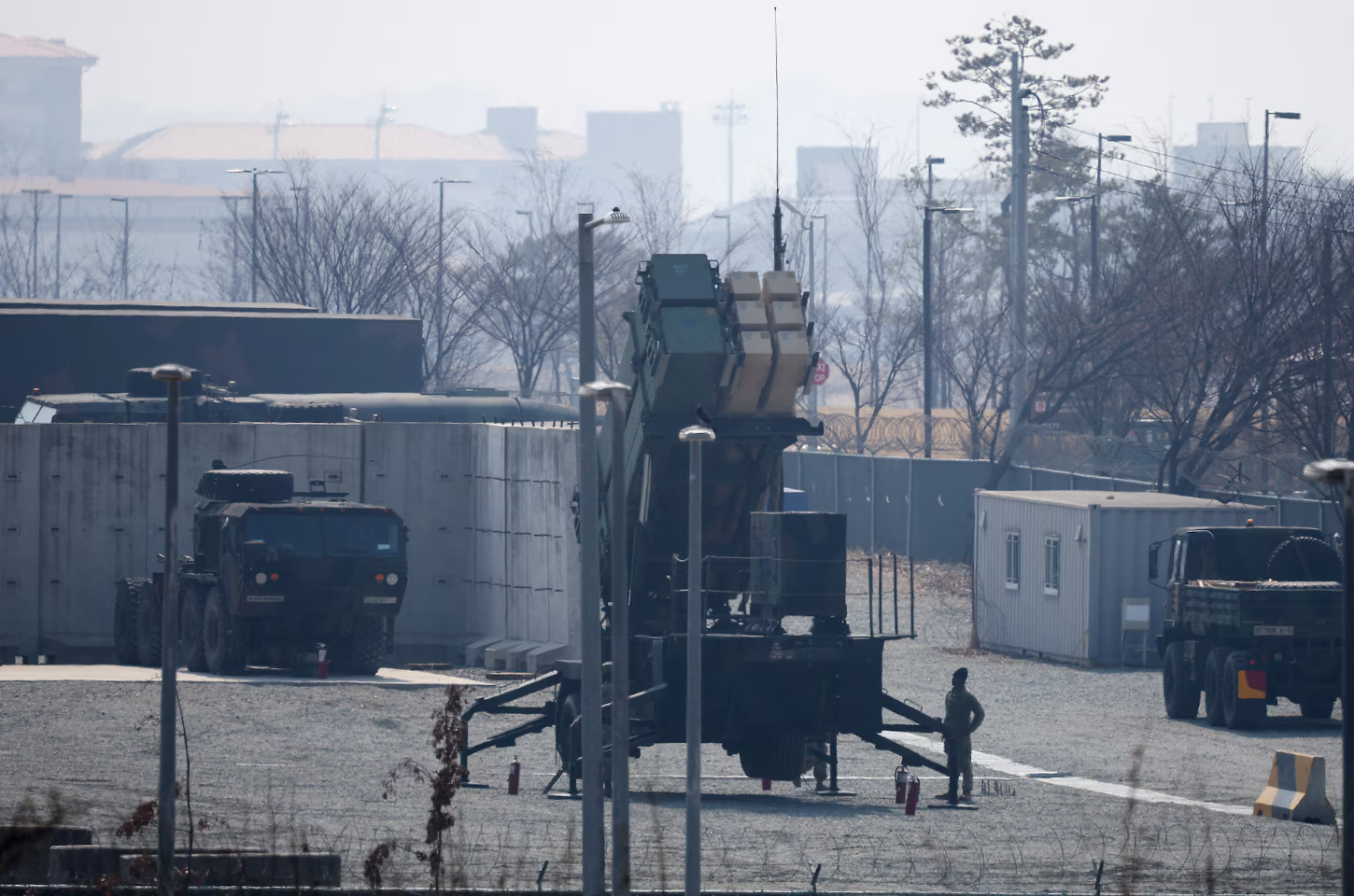
Trump Says He’ll Let Ukraine Make Patriot Missiles, but It Could Take Years
En: Think TanksThe United States has decided to grant Ukraine a license to produce Patriot defense systems. This decision marks a major change in Western military support. Until now, Ukraine has relied…
-

States Enable Regions to Thrive:
A New Playbook for Economic Development Economic development is becoming more complex across the United States. However, many state governments still rely on outdated strategies that focus mainly on attracting large…
-
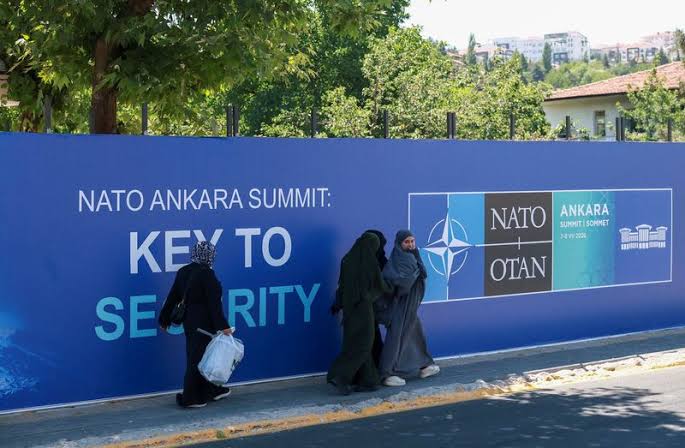
A Rebalancing NATO Gathers in Ankara: Why the NATO Ankara Summit 2026 Matters
The NATO Ankara Summit 2026 takes place at a crucial moment for international security. NATO leaders will meet in Ankara on July 7–8 to discuss the alliance’s future and the challenges facing…
-
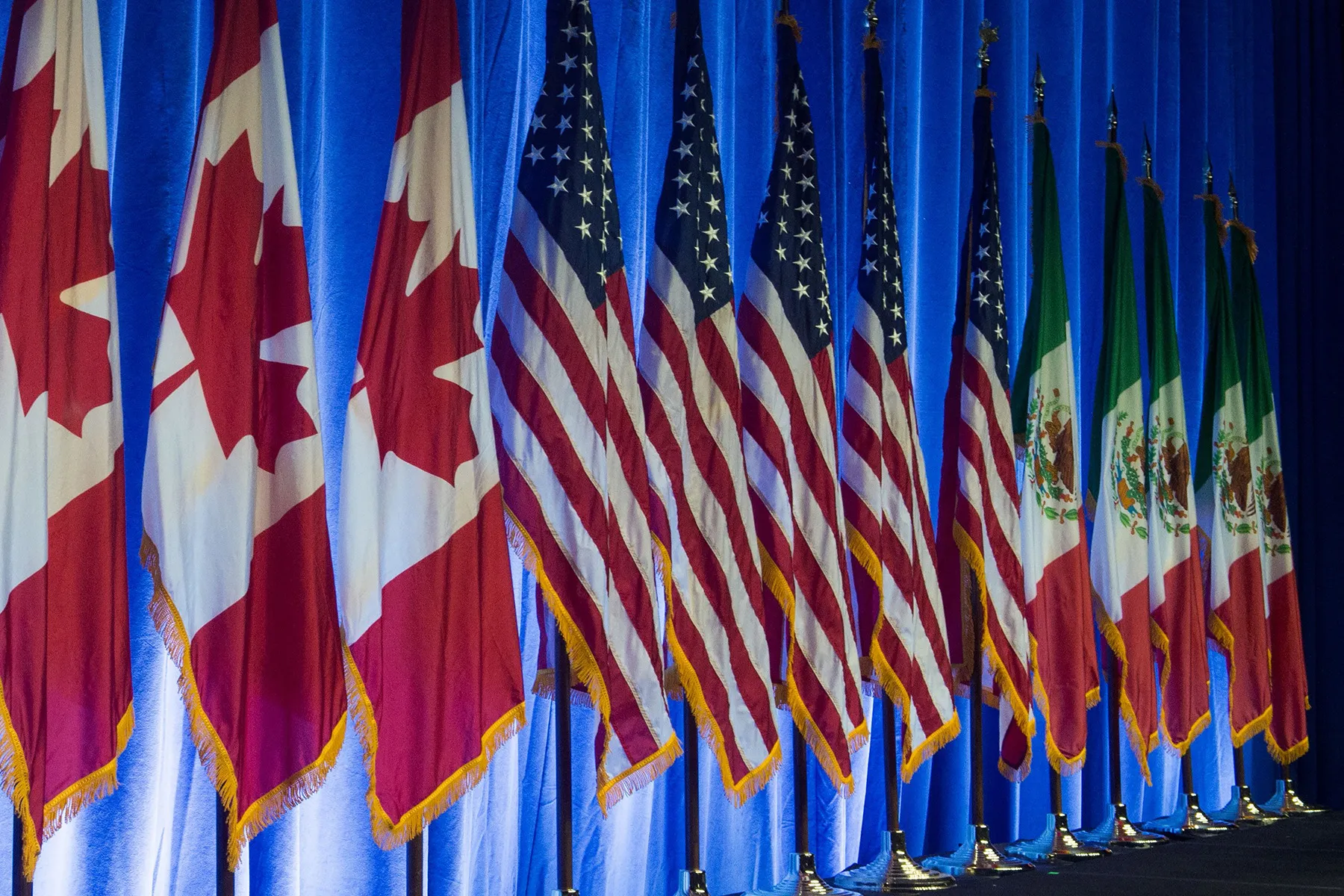
USMCA Review Mechanism: Lessons from the First Review Process
The USMCA review mechanism represents one of the most important innovations in the United States-Mexico-Canada Agreement. Unlike NAFTA, USMCA requires a formal review every six years. This process allows the three member…
-
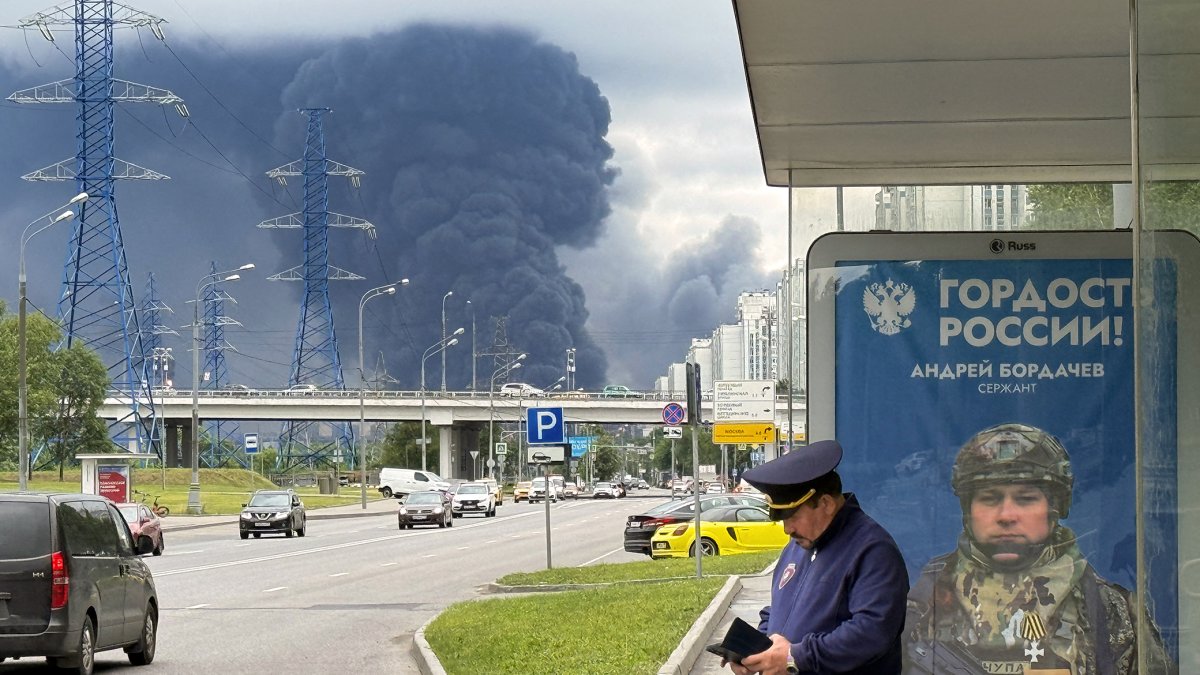
Russian Blood and Treasure: The Ballooning Costs of Putin’s War
The Russian military has largely lost the strategic initiative in Ukraine as the material and human costs of its campaign continue to rise dramatically.
-

Troubled Straits: Analyzing Trade Chokepoints in the South China Sea
The South China Sea stands as the world’s most consequential maritime corridor, handling nearly $6.4 trillion in collective trade value in 2024.
-
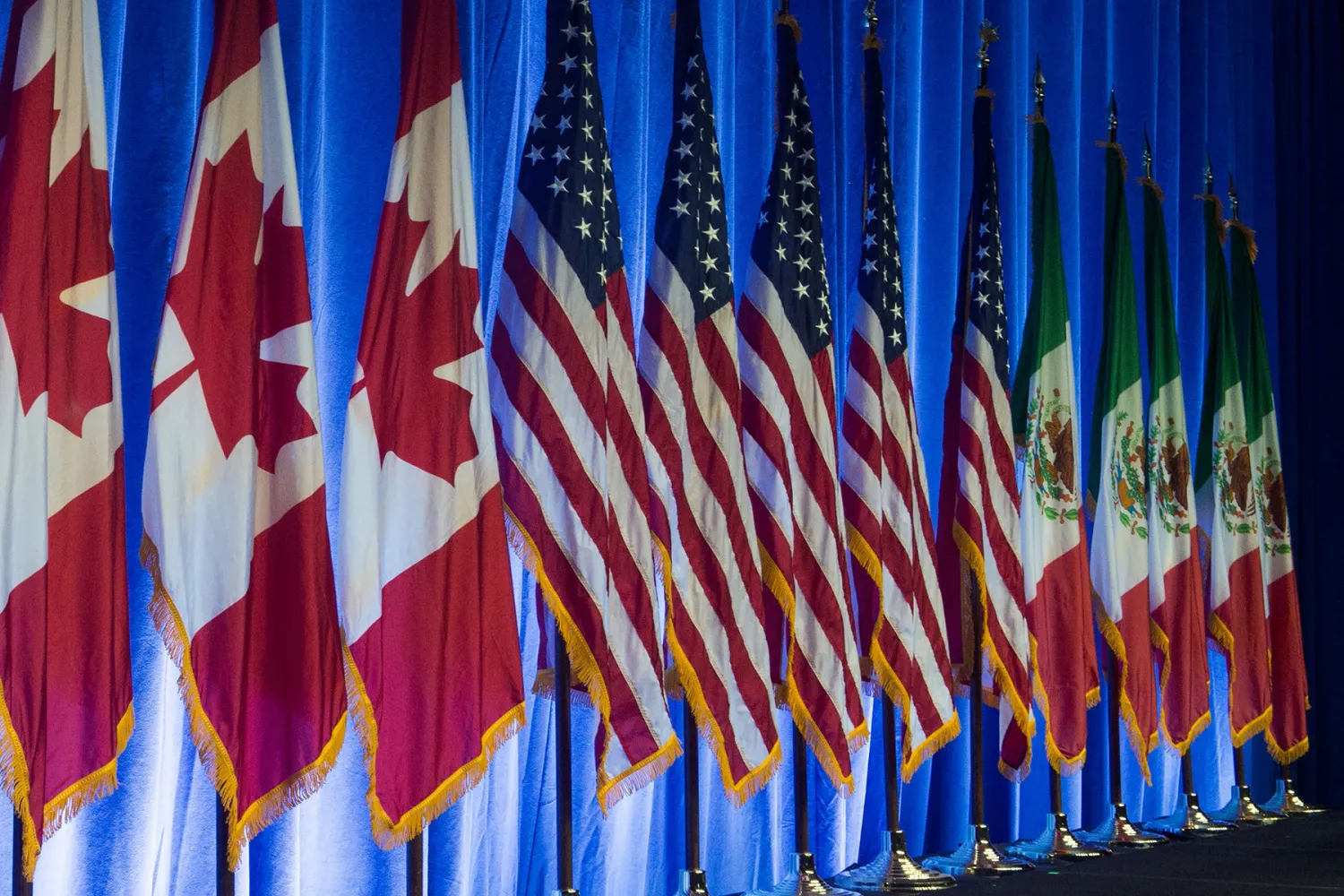
USMCA review reviewed: Lessons from the first use of USMCA’s review mechanism
The United States-Mexico-Canada Agreement (USMCA) introduced a notable innovation: a formal joint review. This review occurs six years after the agreement enters into force. As the first USMCA review mechanism process concludes,…
-
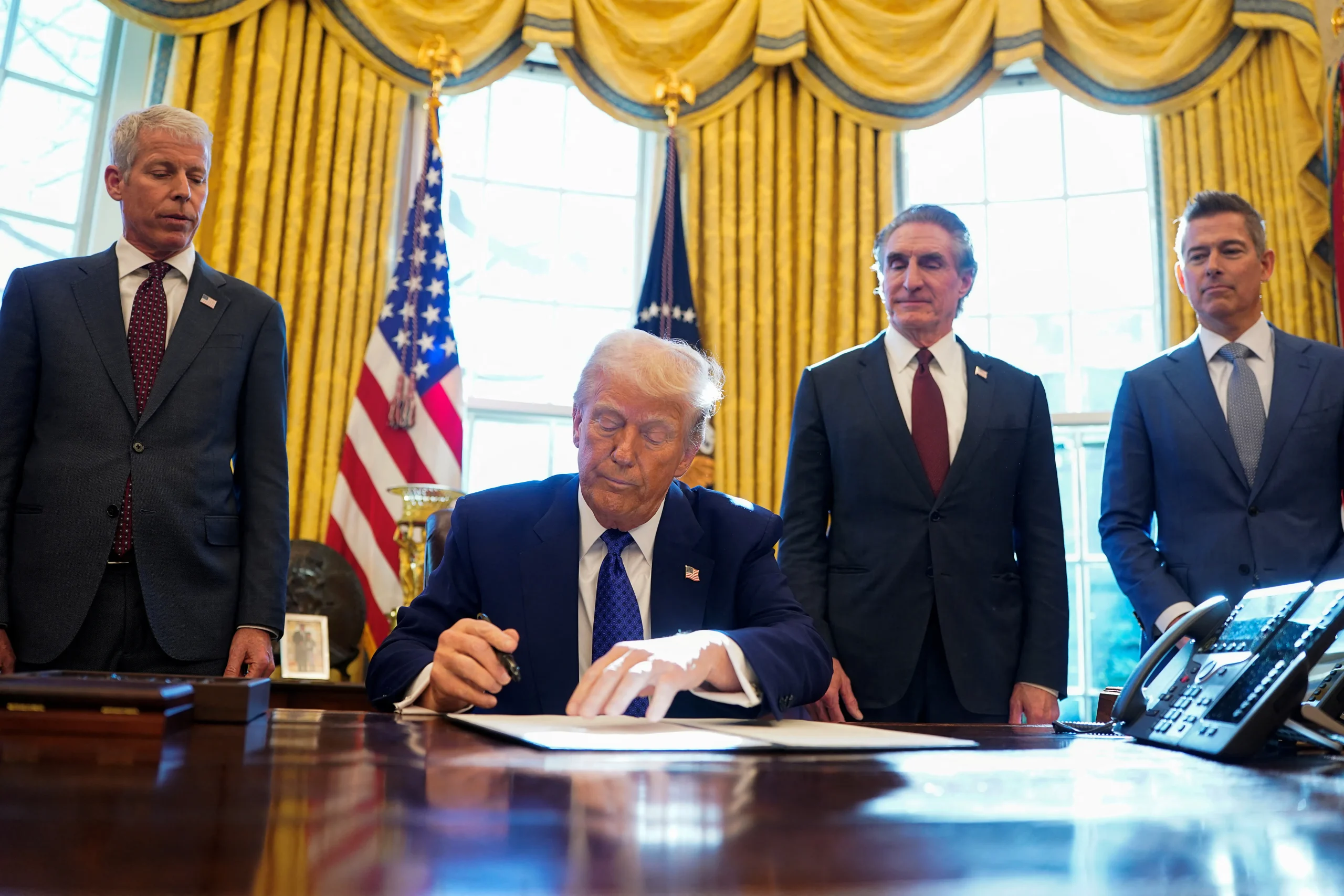
Tracking Regulatory Changes in the Second Trump Administration
The second Trump administration regulatory changes are reshaping the U.S. policy landscape. As a result, policymakers, businesses, researchers, and legal professionals are closely monitoring new federal actions. To support this effort, the…