
Think Tanks
-
What do special elections mean for the midterm elections?
En: Think TanksSpecial elections in the United States often fly under the radar due to low voter turnout. However, in the current political cycle, these races have become a vital thermometer for…
-
Tracking turnover in the second Trump administration
Staff stability within the White House is a vital indicatorof how a presidency functions. A recent report from the Brookings Institution tracks personnel changes duringDonald Trump’s second term. The data reveals a highly dynamic environment at the highest levels of the Executive Branch. Understanding “A-Team” Turnover The “A-Team” consists of the most senior advisorswithin the Executive Office of the President. As of April 2026, the turnover rate for…
-
The Electrostate Era: China’s Strategic Leapfrog
The Transition from Oil Dependency to Electrical Sovereignty By mid-April 2026, the global energy landscape has transitioned from a crisis of supply to a crisis of Infrastructure Sovereignty. The CFR…
-
The Real Thucydides Trap: Why Overconfidence Threatens Global Peace
The rivalry between China and the United States is often viewed through the “Thucydides Trap”. This theory suggests war is likely when a rising power threatens to displace a leading…
-
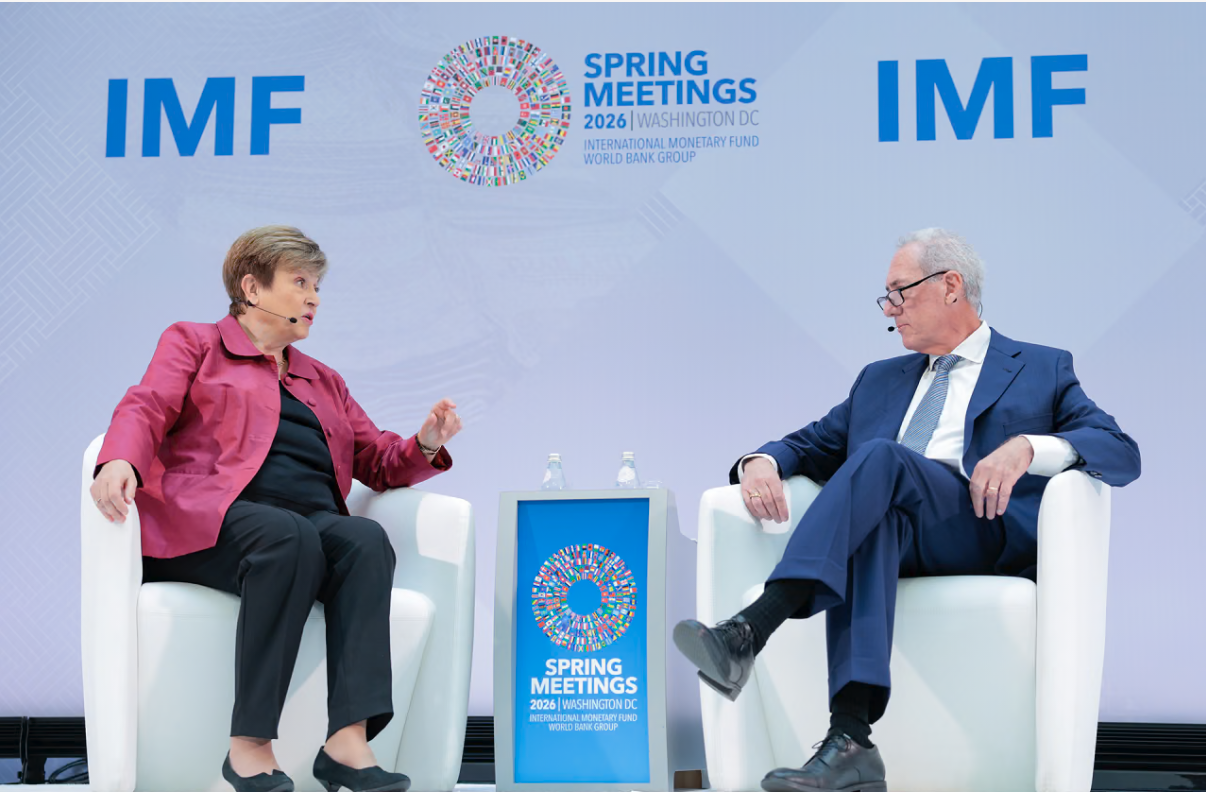
Resilience Amidst Rupture: The Case Against Economic Complacency
The Transition from Strategic Shock to “Structural Anxiety” By mid-April 2026, the global economy has transitioned from the initial panic of the Iran war’s outbreak to a state of Structural…
-
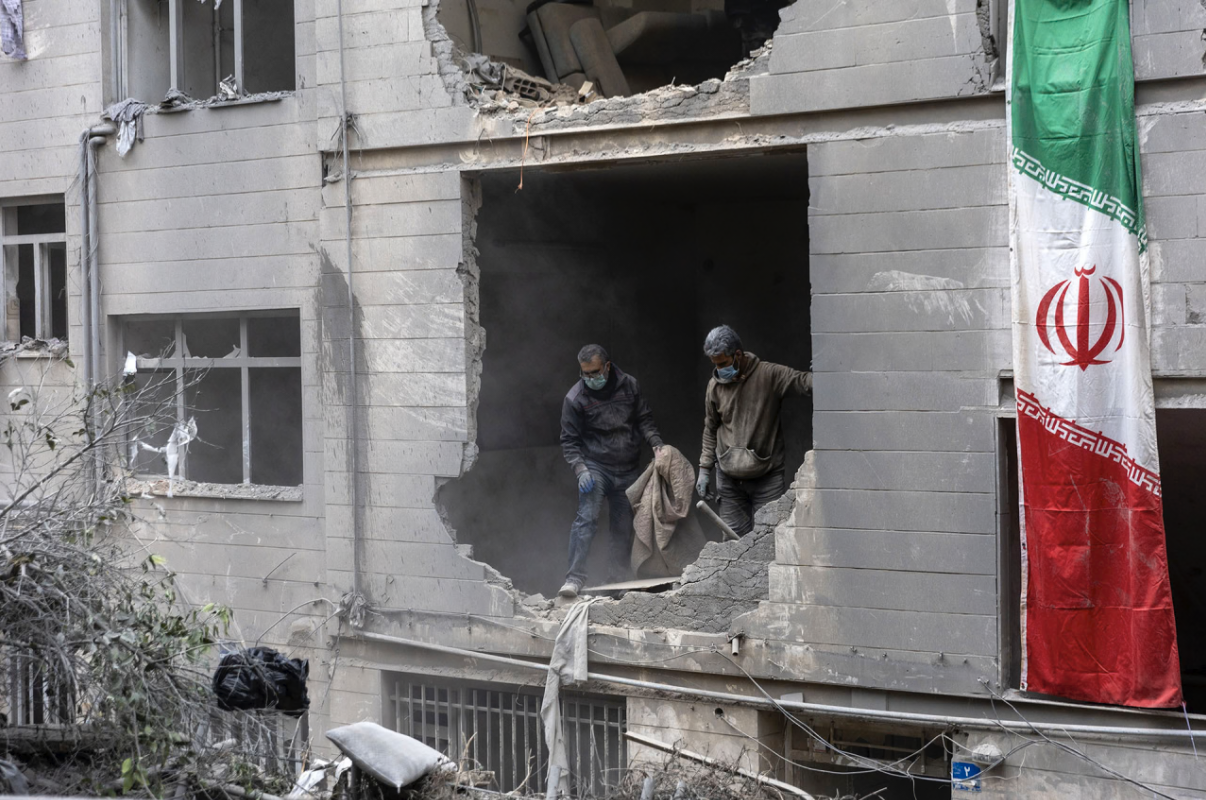
Was the Iran War Worth It?
The Transition from “Maximum Pressure” to “Irreversible Damage” By late April 2026, the United States has transitioned from a posture of containment to one of Systemic Degradation. The CFR analysis…
-
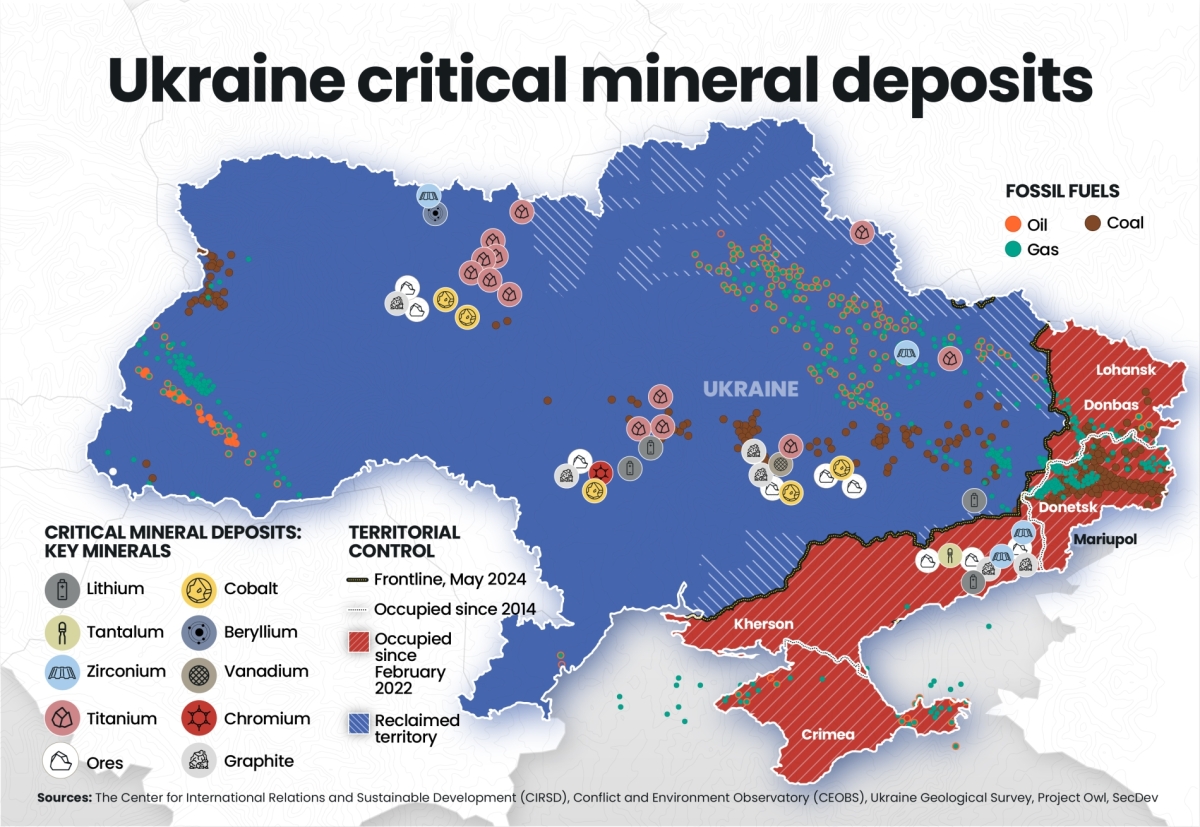
Ukraine’s Critical Minerals: Capital, Security, and Reconstruction
The Transition from “Battlefield Nation” to “Resource Guarantor” By mid-2026, the strategic narrative surrounding Ukraine has transitioned from survival to Integration. The CFR symposium highlights that Ukraine’s vast, largely untapped reserves…
-
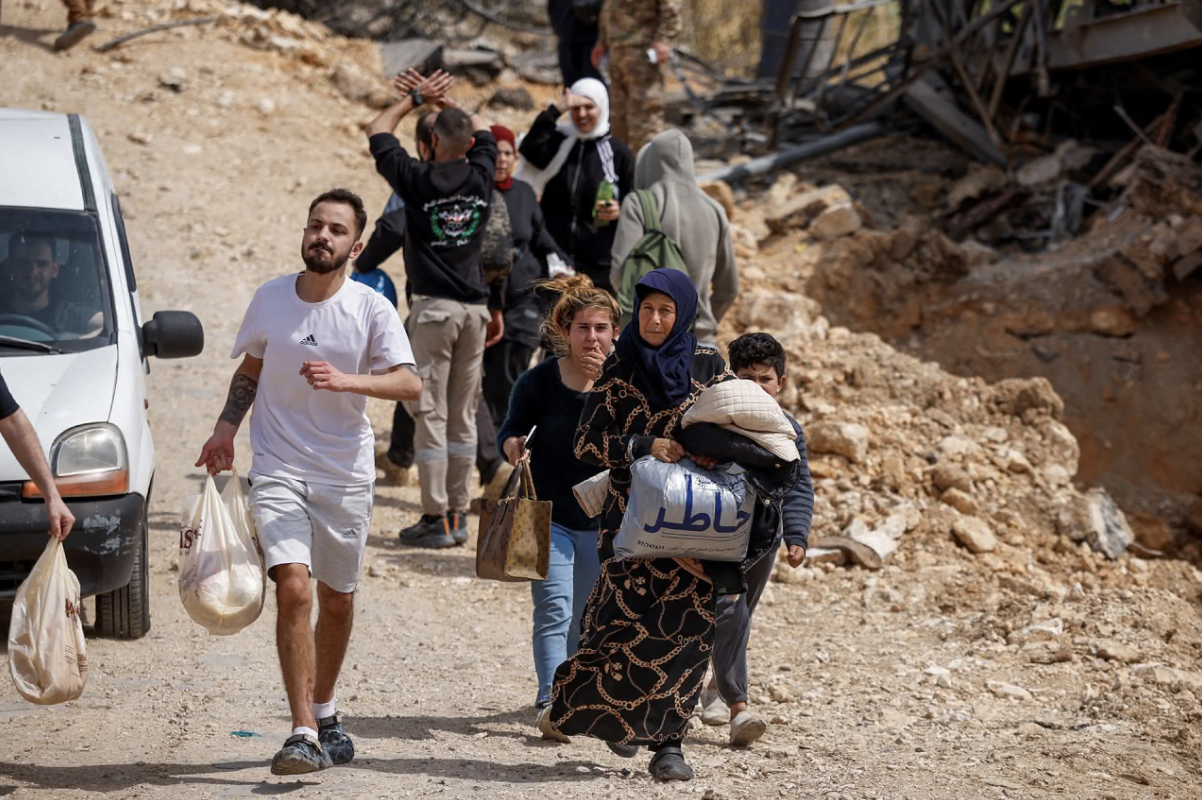
The Ten-Day Pause: Fragile Stability in Lebanon
The Transition from “Total Attrition” to a Negotiated Interval By April 18, 2026, the conflict between Israel and Hezbollah has transitioned from the high-intensity “Operation Eternal Darkness” to a Formal…
-
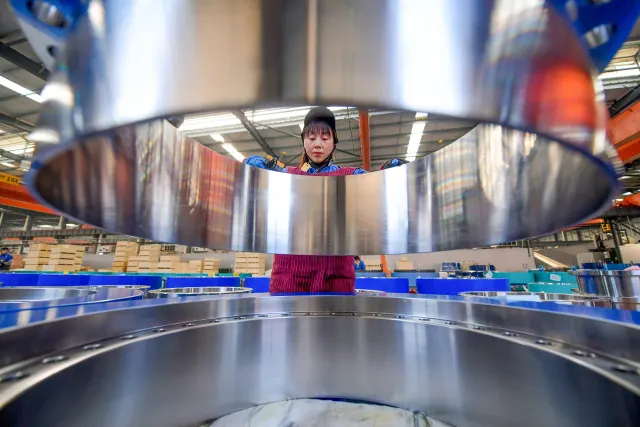
With Hormuz Closed, China Is Wiring the Globe’s Clean Energy Future
The article With Hormuz Closed, China Is Wiring the Globe’s Clean Energy Future by David M. Hart analyzes how the closure of the Strait of Hormuz is accelerating the China…
-

Six Reasons Claude Mythos Is an Inflection Point for AI—and Global Security
The article Six Reasons Claude Mythos Is an Inflection Point for AI—and Global Security by Gordon M. Goldstein analyzes how the emergence of Claude Mythos represents a turning point in…
-
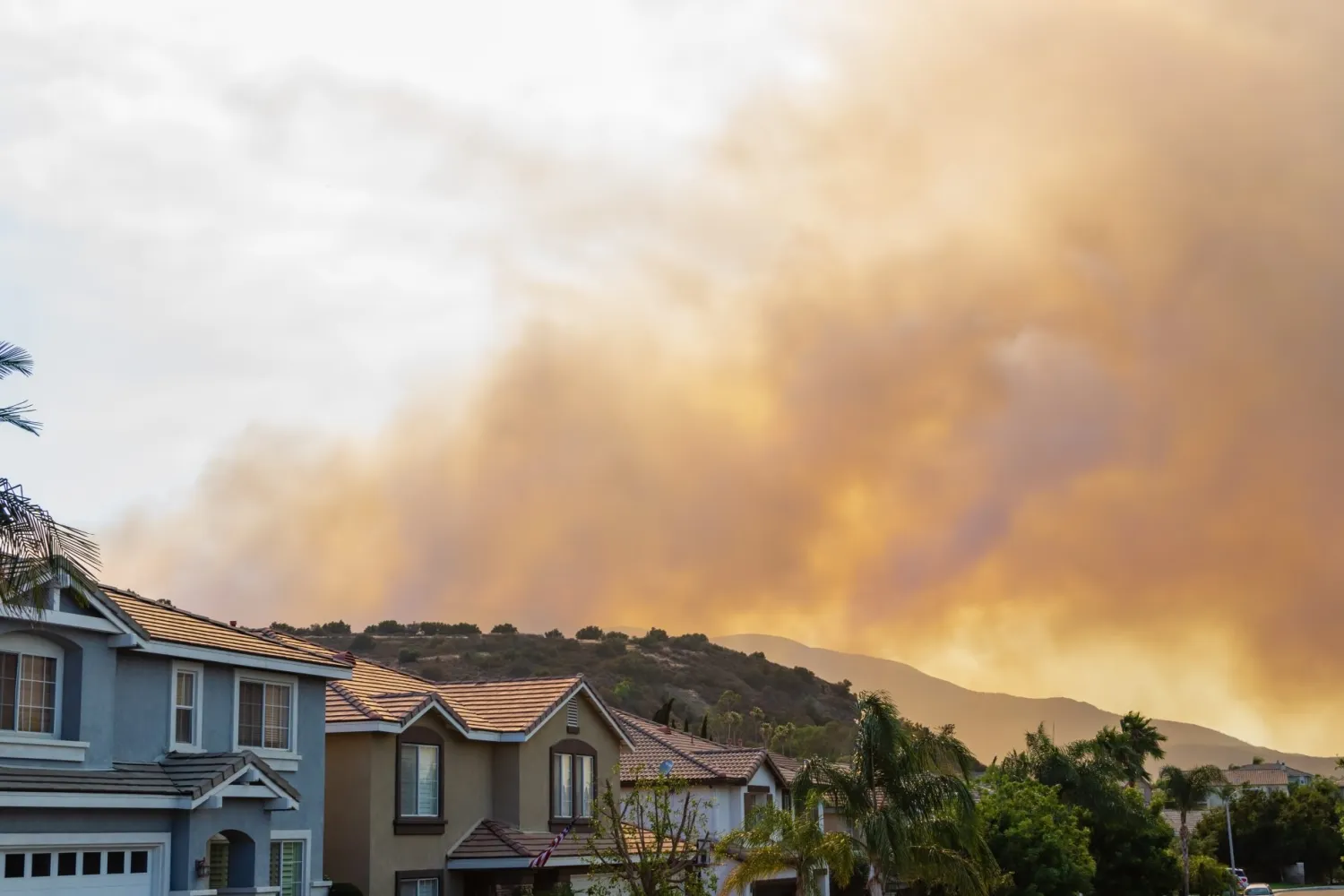
Where Rising Climate Risks and Insurance Costs Will Hit Hardest
The article Where Rising Climate Risks and Insurance Costs Will Hit Hardest by Manann Donoghoe examines how climate change is driving a climate risk insurance affordability crisis in the United…
-

How Long Will China’s Real Estate Crisis Last?
Brookings. Commentary Podcast The Brookings podcast How Long Will China’s Real Estate Crisis Last? analyzes the scale, causes, and implications of the ongoing China real estate crisis duration. The discussion…
-

The Global Water Crisis
Council on Foreign Relations. The Global Water Crisis: Stress, Scarcity, and Conflict Updated on March 20, 2026, this CFR Backgrounder by Diana Roy, Claire Klobucista, and Kali Robinson examines the…
-
The U.S.-China Trade Relationship
Council on Foreign Relations. The U.S.-China Trade Relationship: What’s Behind the Competition? The backgrounder The U.S.-China Trade Relationship: What’s Behind the Competition? analyzes the dynamics shaping the U.S.-China trade relationship…
-
Taiwan Explained
Council on Foreign Relations. Taiwan Explained: Why China Claims It, and Why the U.S. Is Involved The backgrounder Taiwan Explained: Why China Claims It, and Why the U.S. Is Involved…
-

The Easy Win That Could Help Unlock the Strait of Hormuz
Council on Foreign Relations. Expert Take The article The Easy Win That Could Help Unlock the Strait of Hormuz by Sam Vigersky argues that establishing a humanitarian corridor Strait of…
-

Artificial Intelligence Is Facing a Crisis of Control
Council on Foreign Relations. Artificial Intelligence Is Facing a Crisis of Control—and the Industry Knows It. The article Artificial Intelligence Is Facing a Crisis of Control—and the Industry Knows It…
-

The AI Sovereignty Paradox at Home and Abroad
The article The AI Sovereignty Paradox at Home and Abroad by Michael Froman examines the emerging AI sovereignty paradox and its implications for global governance and security. At its core,…
-

How the Iran War Confirmed, Contradicted, and Complicated U.S. Policy
The article How the Iran War Confirmed, Contradicted, and Complicated U.S. Policy by Elisa Ewers and Ariane Tabatabai examines how the recent conflict has tested long-standing assumptions behind Iran policy.…
-

The Green Corridor Initiative: A Technical Key to the Hormuz Deadlock
The Transition from Military Escorts to Maritime Neutrality By mid-April 2026, the international community has transitioned from trying to “break” the Strait of Hormuz blockade through force to seeking a…
-
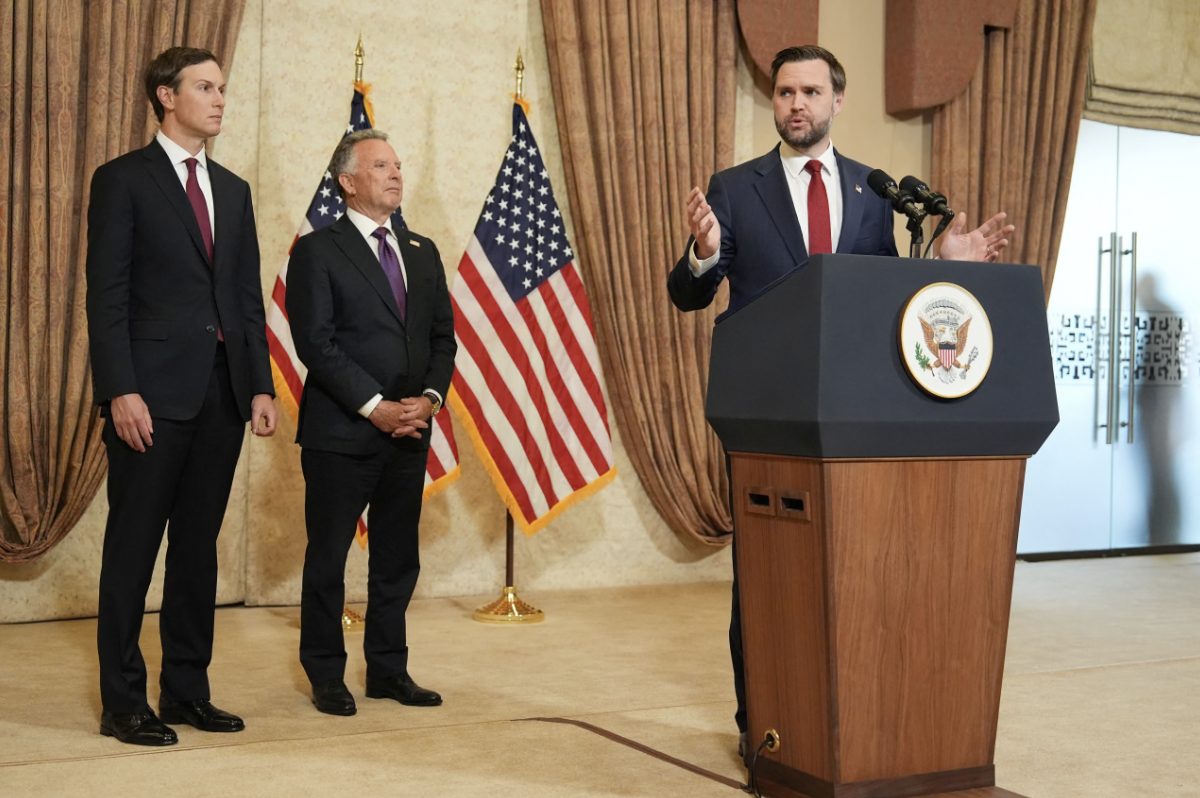
The Islamabad Impasse: Red Lines and the Return to Hostilities
The Transition from Face-to-Face Diplomacy to “Red Line” Retrenchment By the morning of April 13, 2026, the first direct U.S.-Iran negotiations in over a decade have transitioned from a marathon…
-
What does China want from a Trump-Xi summit?
The upcoming meeting between Donald Trump and Xi Jinping represents a critical turning point for global stability in an increasingly volatile international landscape. According to a recent analysis by the…
-
Understanding the Risks to Economic Statistics
Published on April 7, 2026, this commentary by a cross-institutional team of economists introduces the Economic Indicators Initiative (EII), a Brookings-led effort to strengthen the U.S. federal statistical system (FSS).…
-

China Is Running Multiple AI Races
Brookings Institution China Is Running Multiple AI Races Published on March 9, 2026, this commentary by Kyle Chan — Fellow at the John L. Thornton China Center at Brookings —…
-

Building the foundations for agentic AI at scale
McKinsey article. This McKinsey article analyzes how organizations can scale agentic AI and capture its full value. While many companies have experimented with AI agents, fewer than 10 percent have…
-
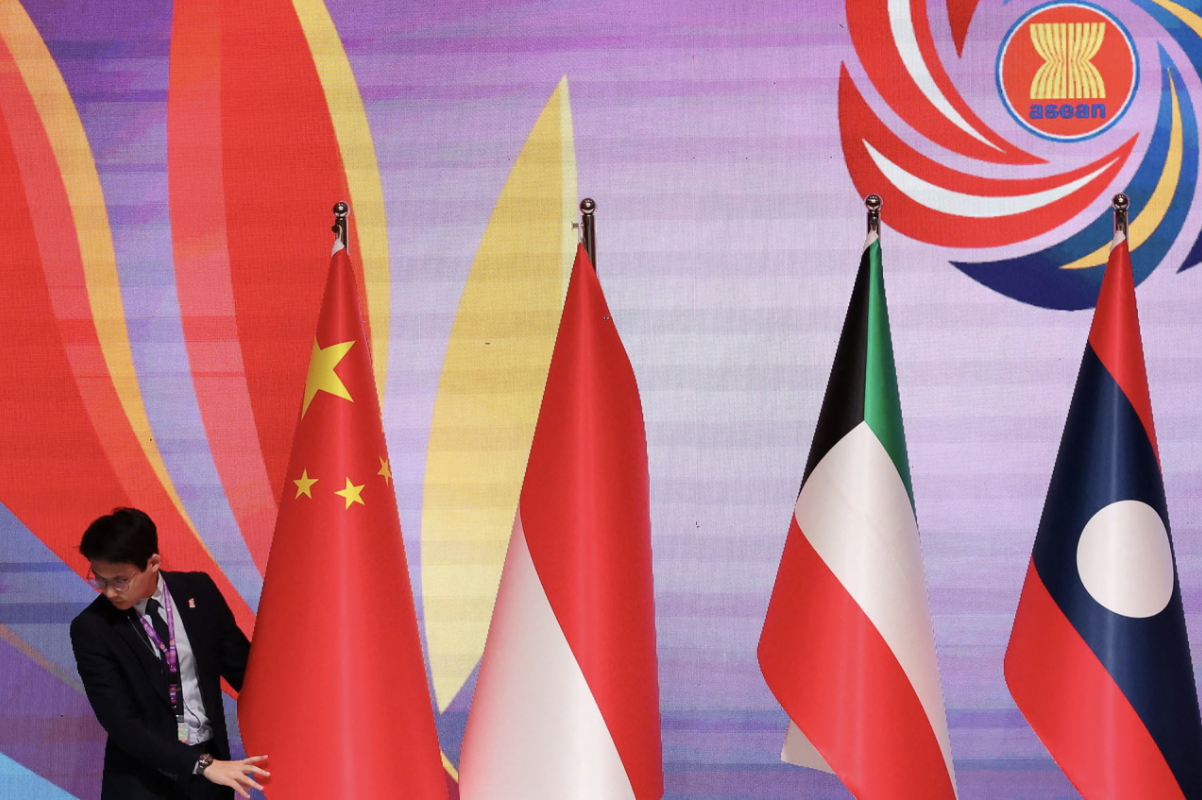
The Pivot to Beijing: Southeast Asia’s Strategic Recalibration
The Transition from “Hedging” to “Pragmatic Alignment” By April 2026, the nations of Southeast Asia have transitioned from a policy of “hedging”—balancing relations between Washington and Beijing—to a posture of…
-

Energy Security and Strategic Deterrence in Asia
The Transition from “Protected State” to “Nuclear Hedger” By mid-2026, America’s key Asian allies—specifically South Korea and Japan—have transitioned from a total reliance on U.S. extended deterrence to a posture…
-

State of Food & Beverage: The choices CPG leaders can make to renew growth
McKinsey report. This McKinsey report examines the structural slowdown in the food and beverage (F&B) consumer packaged goods (CPG) industry. Historically, the sector relied on scale, brand strength, and steady…
-
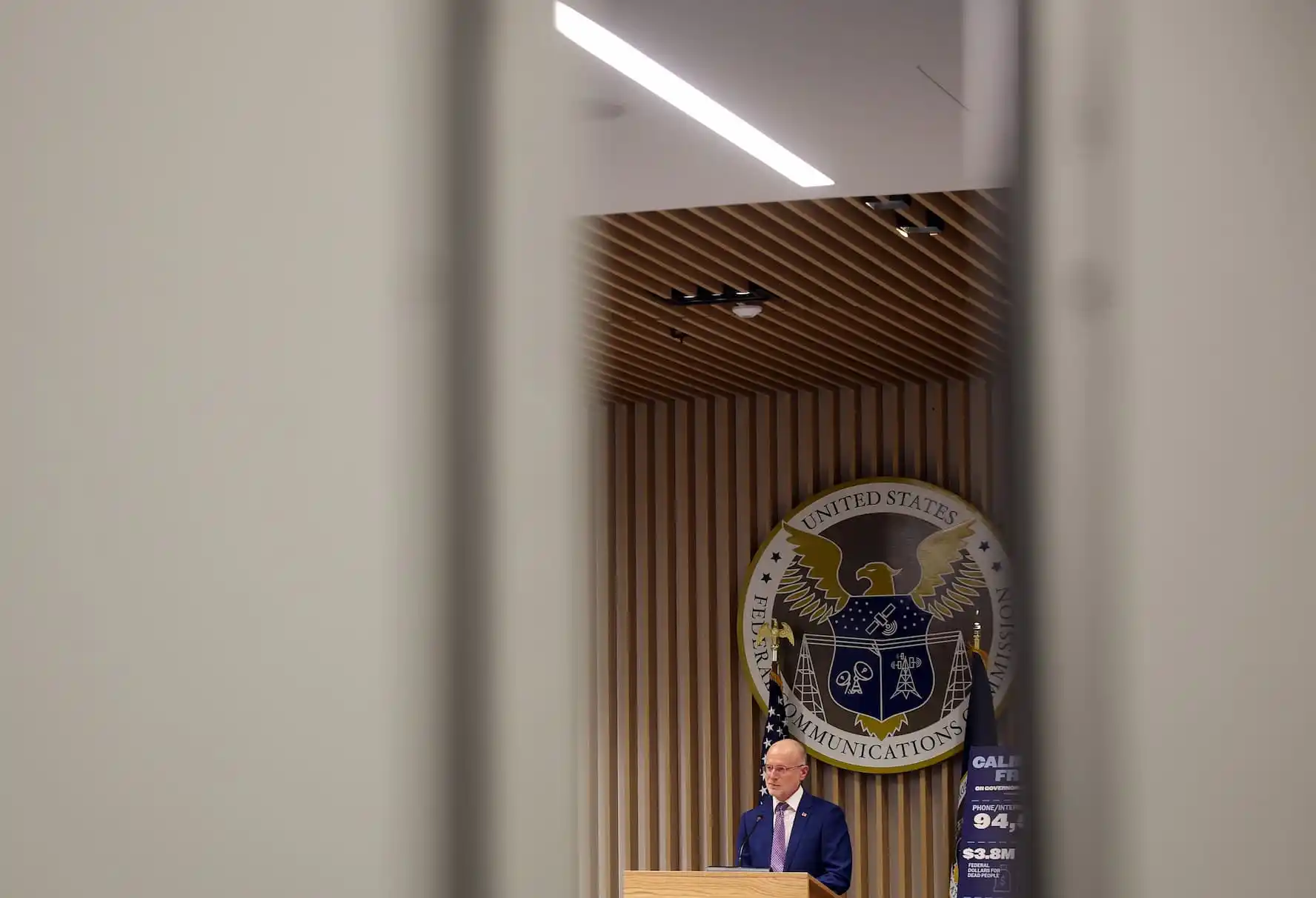
The FCC and the Politicization of Public Trust
The Transition from Independent Oversight to Executive Instrument By early 2026, the FCC has transitioned from its historical role as a non-partisan technical regulator to a central tool for executive…
-
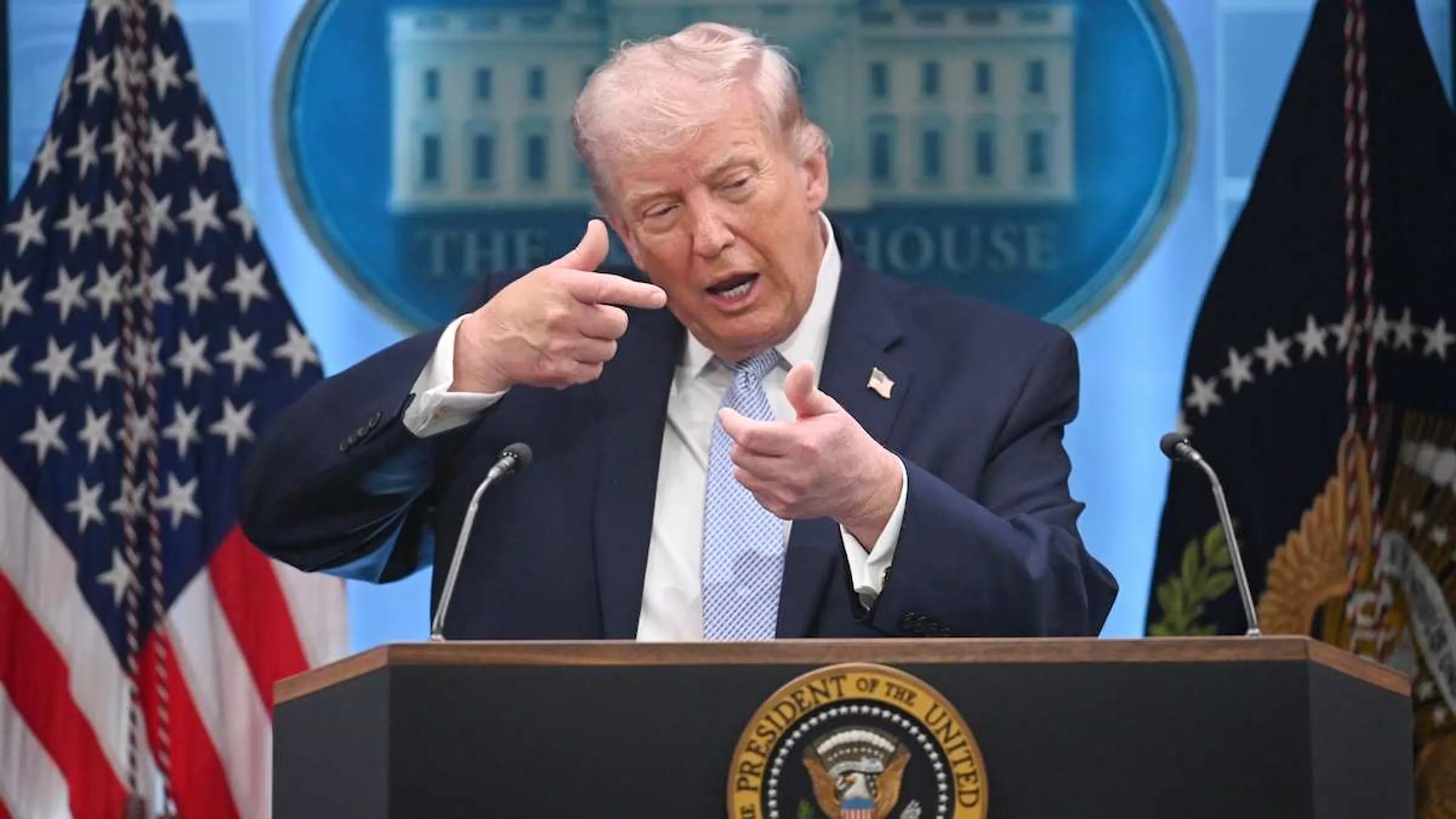
The Terminal Ultimatum: GZERO Analysis of the April 7 Deadline
The Transition from Deterrence to “Imminent Destruction” By April 2026, the U.S. strategy has transitioned from “Containment” to a policy of Forced Surrender. The GZERO report highlights that the current…