
Think Tanks
-
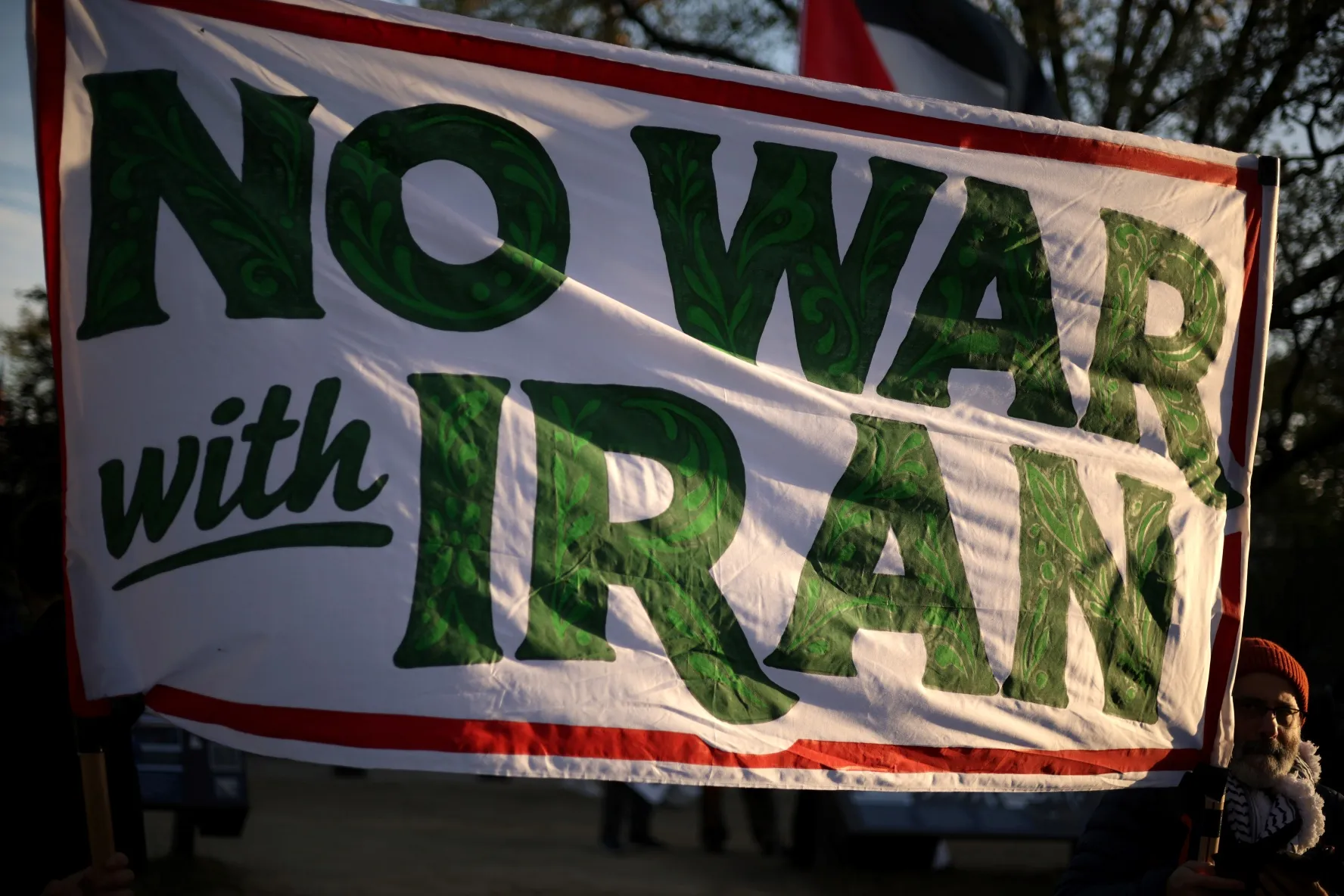
Most Americans say the Iran war is bad for America
Public opinion in the United States has largely turned against the war with Iran, reflecting widespread concerns about its consequences for national interests, economic stability, international security, among others. Survey…
-

Shock, awe, and economic fallout
The employment effects of ICE enforcement in US cities The intensification of immigration enforcement operations in the United States during 2025 had consequences that extended well beyond the individuals directly…
-

Armenia’s election: Voters to decide on Pashinyan’s peace agenda
Armenia’s upcoming parliamentary election has become a decisive test for Prime Minister Nikol Pashinyan and the political direction he has pursued since the country’s military defeat in Nagorno-Karabakh. The vote…
-
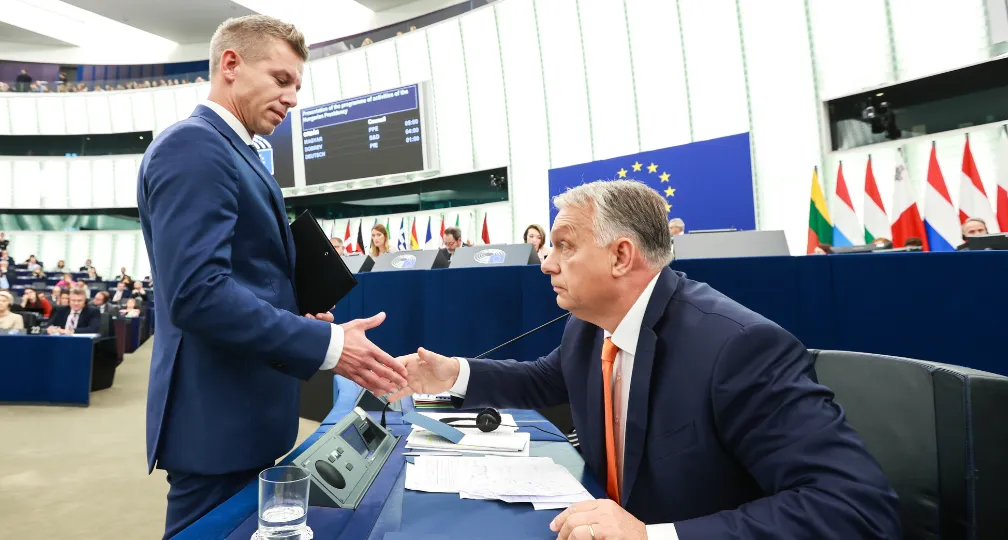
Civic Mobilization to Defend Electoral Integrity in Hungary
On April 12, 2026, Hungary’s newly formed Tisza party, led by Péter Magyar, achieved a historic victory. Over Prime Minister Viktor Orbán and his long-ruling, incumbent Fidesz party.
-

Bangladesh’s Unfinished Revolution
The historic February 2026 general election in Bangladesh marked the country’s first credible vote in nearly two decades.
-

States of Affordability: A series on where and why US households struggle to make ends meet
En: Think TanksAchieving financial security has become increasingly difficult for millions of working families across the United States. In this comprehensive review, we examine the systemic research published by the Brookings Institution. The…
-
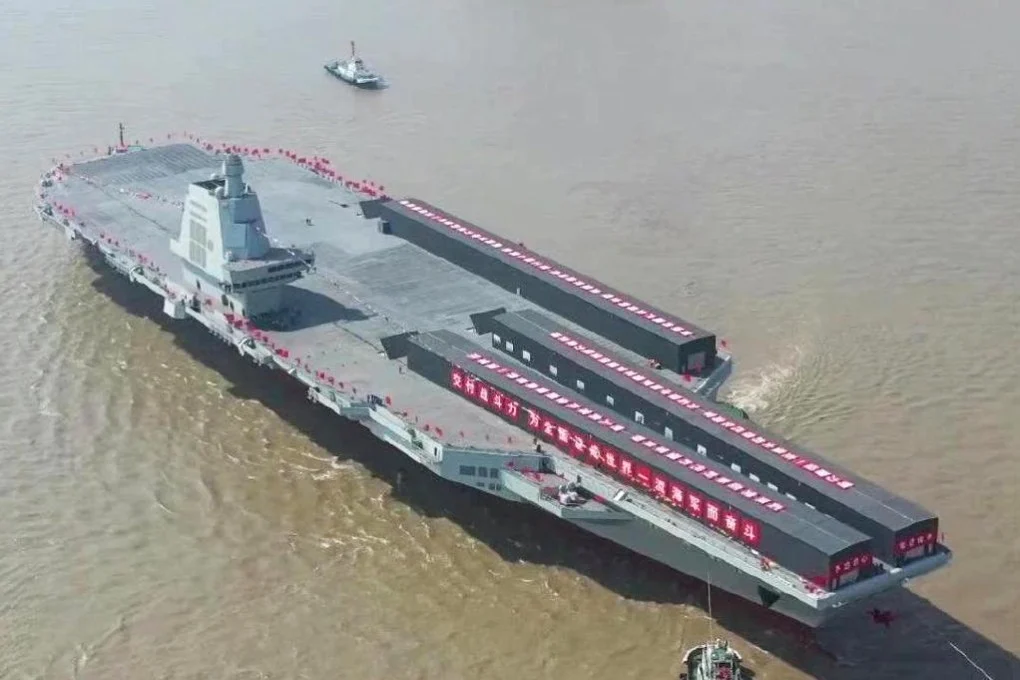
A New Supercarrier Emerges: Tracking China’s Fourth Aircraft Carrier
An assessment by the Center for Strategic and International Studies (CSIS) confirms with near certainty that China is currently constructing its fourth aircraft carrier.
-
The timing of the impending crude crisis
At first glance, global oil markets appear to have absorbed the disruption caused by the closure of the Strait of Hormuz better than expected. Oil prices have risen, but they…
-

AI water usage requires governments to rethink their approach to water
The rapid expansion of artificial intelligence is creating growing pressure on water resources, forcing governments to reconsider how water is managed, allocated, and regulated. While public debate around AI often…
-

Ethiopia needs more than an election to calm internal and regional conflict
Ethiopia’s elections are unfolding in a context of deep internal fragmentation and growing regional instability, making political competition far less about choice than about managing conflict. Prime Minister Abiy Ahmed…
-

Public Transit Is Struggling to Keep Pace with Aging Populations
The World Resources Institute examines how public transportation systems worldwide are failing to keep pace with rapidly aging urban populations.
-
Confusion over UK sanctions on Russia undermines a Western response that was already too slow and half-hearted
Confusion surrounding the United Kingdom’s sanctions policy toward Russia has weakened an already fragile Western response. Public uncertainty over whether London planned to tighten or ease restrictions created mixed signals…
-

The UK can’t break off critical mineral links with China. But it can understand its vulnerabilities
The United Kingdom remains deeply connected to China through critical mineral supply chains, making a complete separation economically unrealistic. Minerals essential for electronics, clean energy, and advanced manufacturing are often…
-
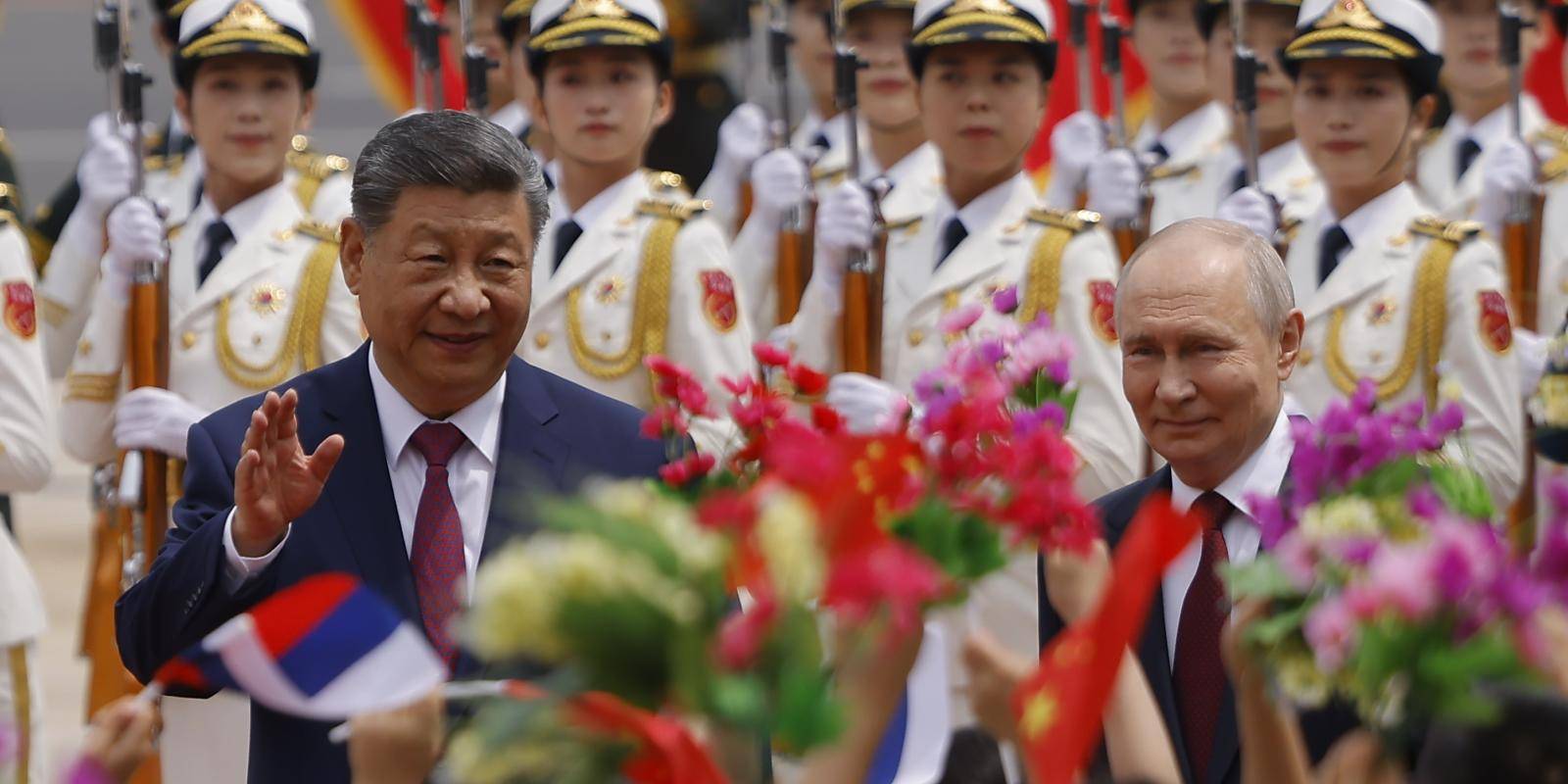
China and Russia’s strategic duo endures – but its limits are clear
China and Russia continue to project an image of closeness, especially during high-profile meetings between presidents Xi Jinping and Vladimir Putin. Public displays of unity often suggest a partnership growing…
-
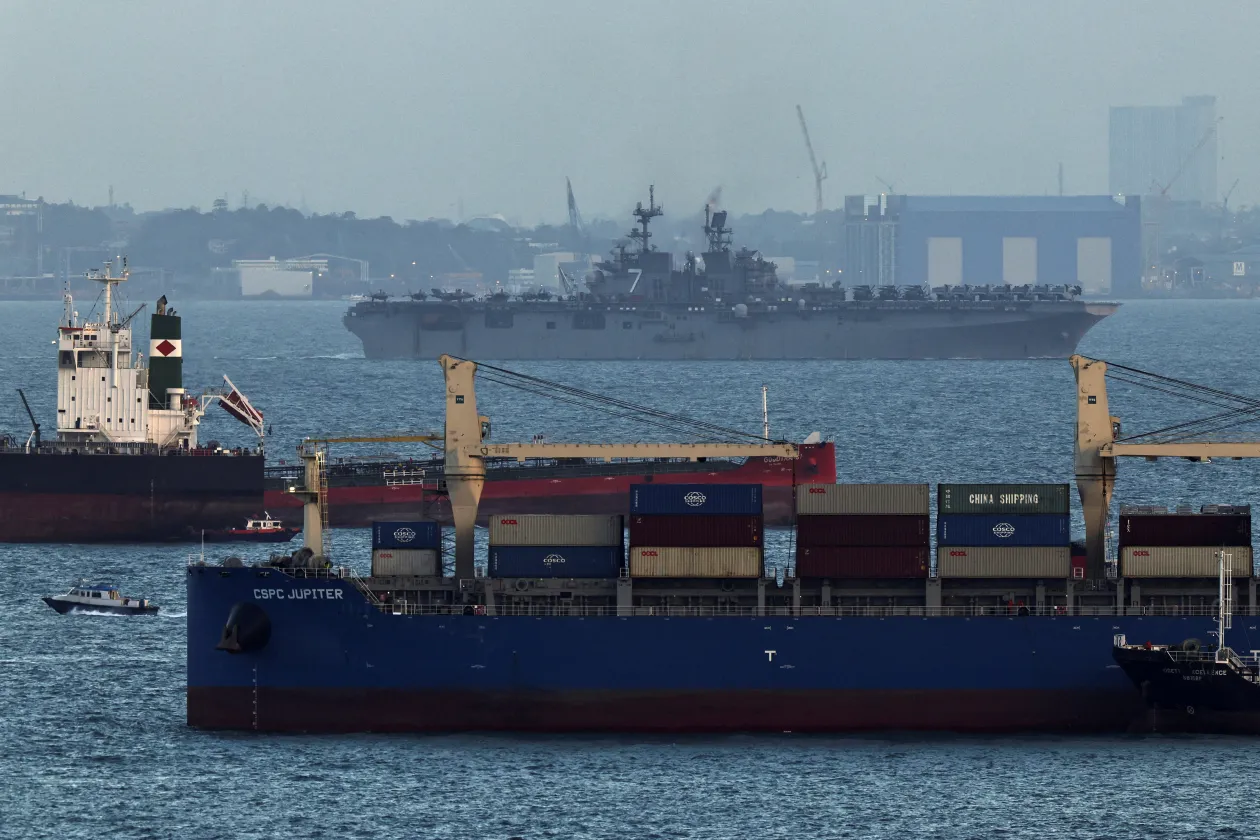
Hormuz Is a Warning for the Indo-Pacific
En: Think TanksWhat is the connection between the energy crisis in the Middle East and rising tensions in East Asia? The recent Foreign Affairs article, “Hormuz Is a Warning for the Indo-Pacific: The Coming Contest…
-
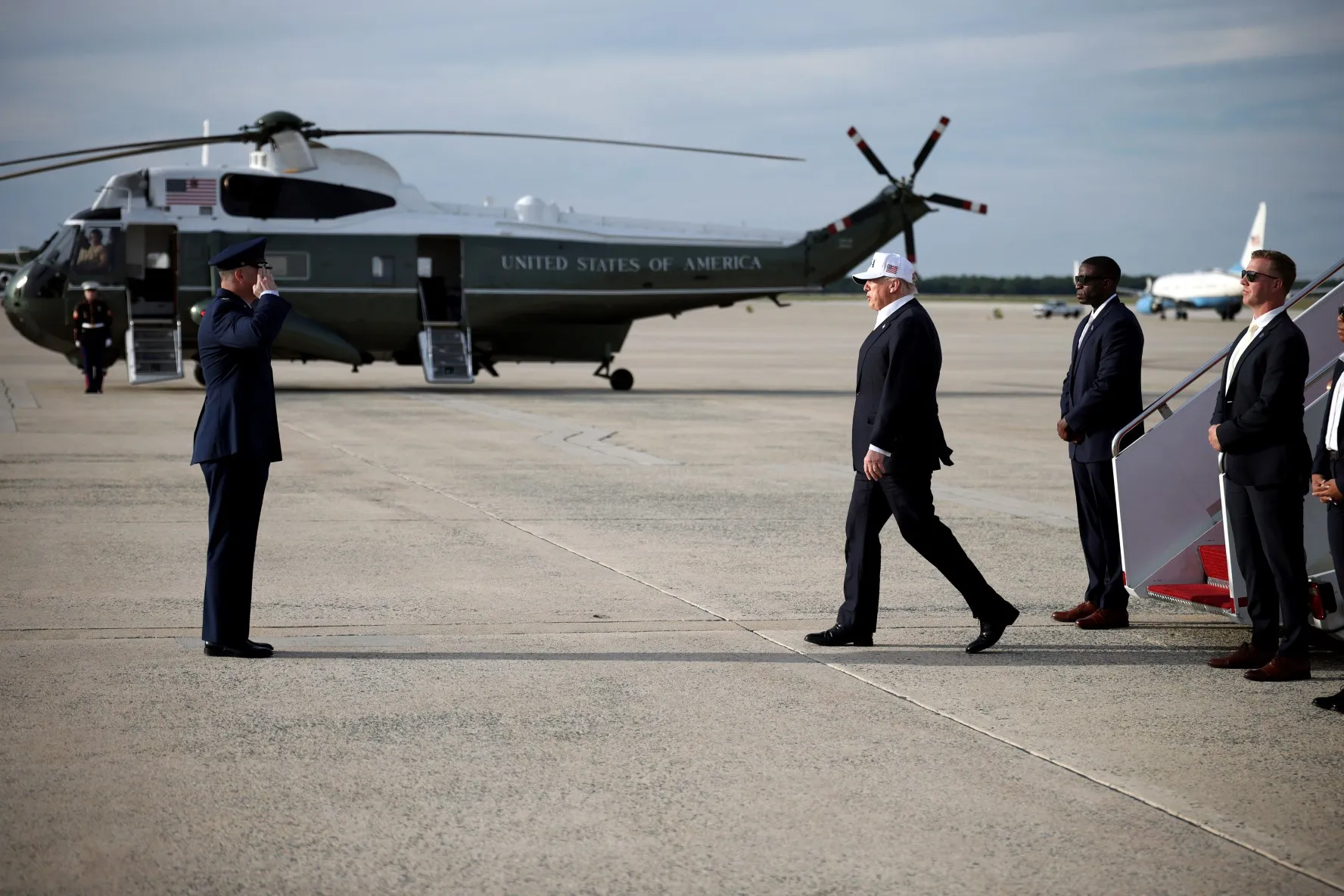
Trump’s Dangerous Taiwan Gamble: A Critical Review
The article “Trump’s dangerous Taiwan gamble,” written by Ryan Hass and published by the Brookings Institution, analyzes the U.S. President’s recent statements following his Beijing summit with Xi Jinping. Although the meeting focused on…
-
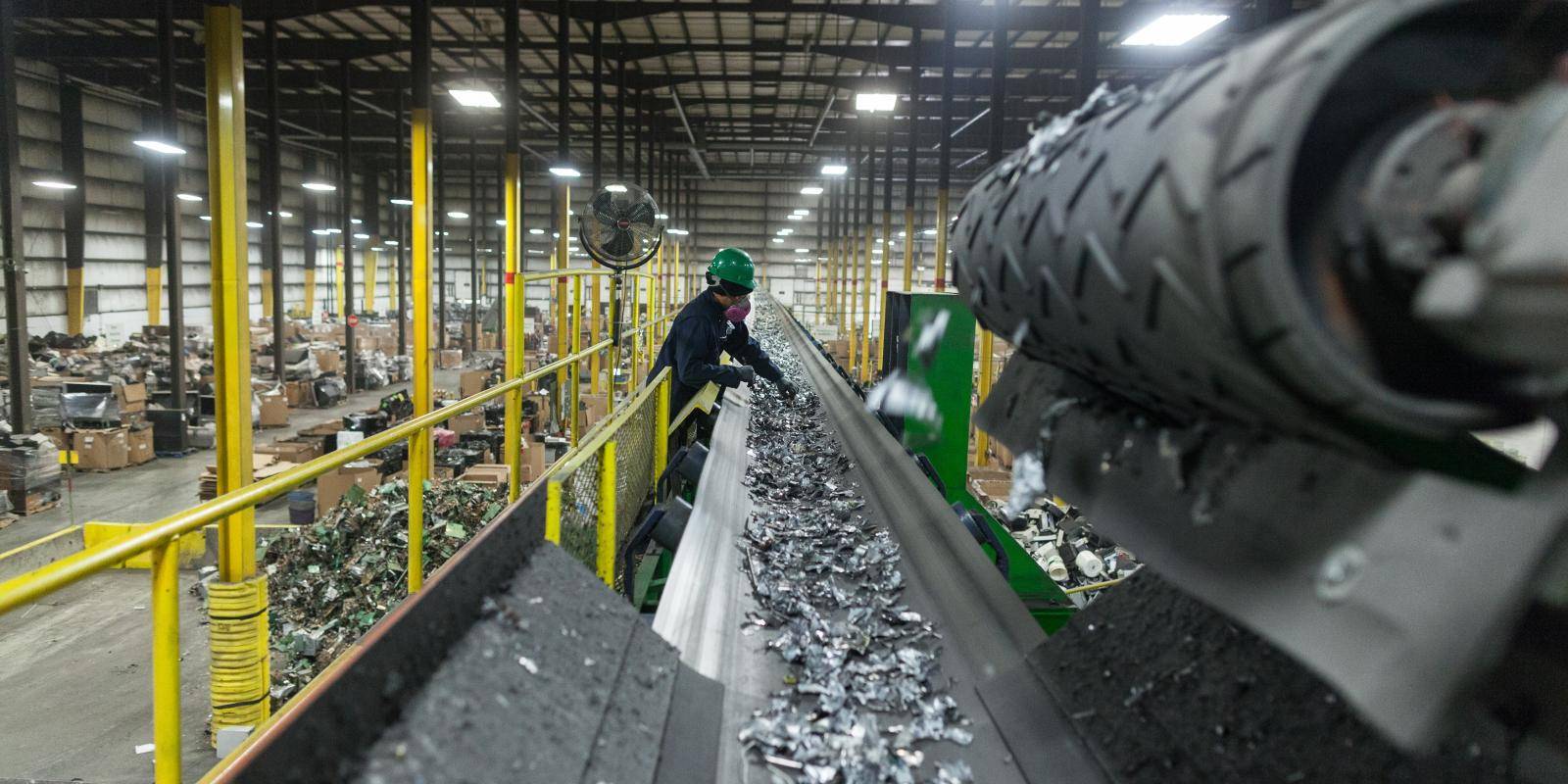
Electronic Waste Could Help Reduce U.S. Dependence on Chinese Critical Minerals
Electronic Waste and Strategic Competition Electronic waste has become an important issue in the strategic rivalry between the United States and China. Rare earth elements are essential for technologies such…
-

Can the US and China cooperate on AI?
The rapid race for technological supremacy has placed the United States and China in a position of historic rivalry. However, a recent analysis from the Brookings Institution suggests we are…
-

Trump’s treatment of US allies has weakened his negotiating position with Xi
The balance of power between the United States and China is being reshaped by a weakening of Washington’s negotiating position with Xi Jinping, largely due to deteriorating relations with longstanding…
-
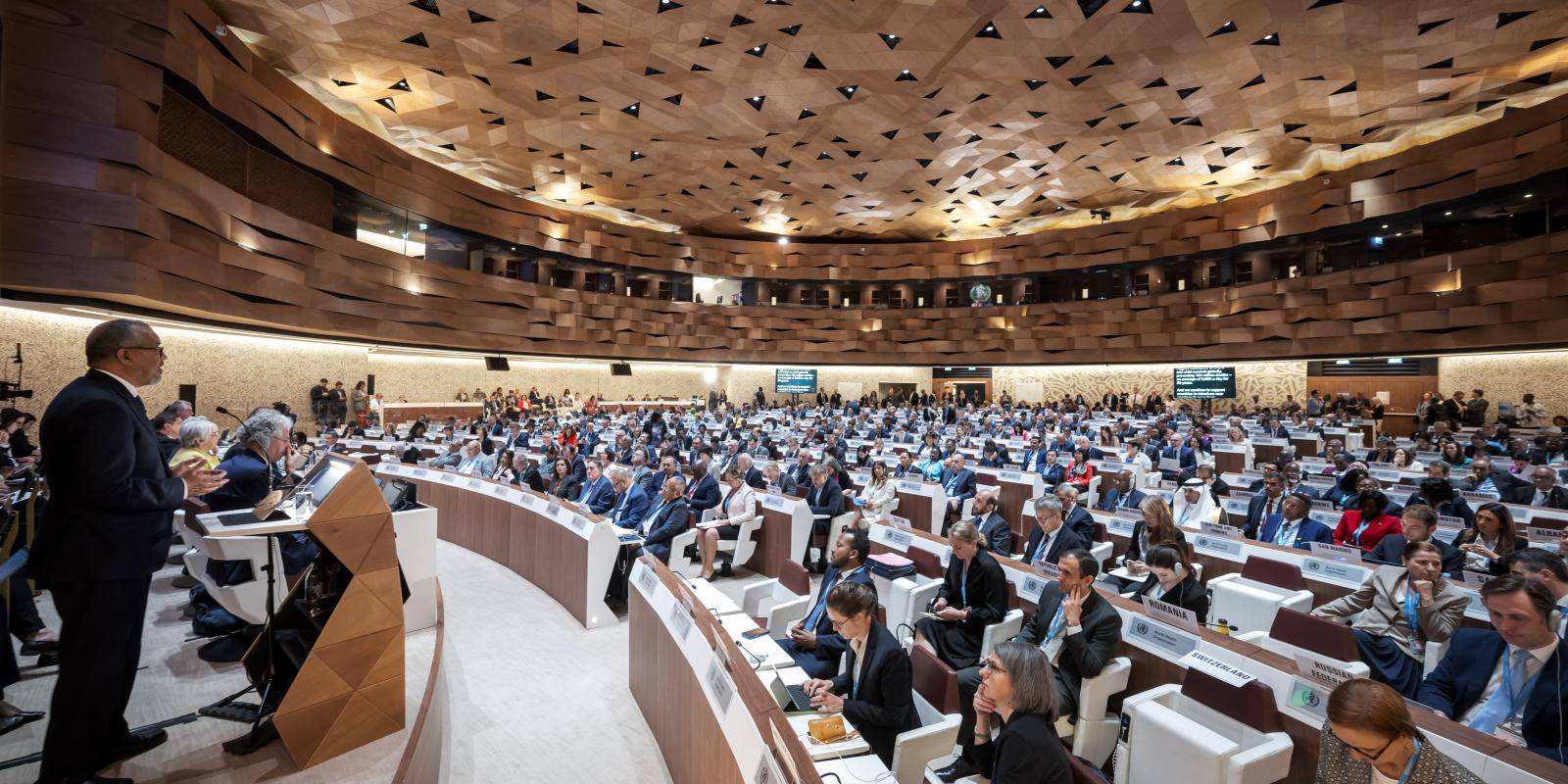
Global health reform cannot wait for a new world order. Middle powers must act now
Global health governance is facing one of its most fragile moments in decades. The withdrawal of the United States from the World Health Organization (WHO) has opened a major funding…
-

Supreme Court decision alters 2026 midterm election outlook
Before a recent Supreme Court ruling, Democrats appeared to be gaining momentum ahead of the 2026 U.S. midterm elections. Historical voting patterns, declining presidential approval ratings and strong Democratic performances…
-

Technology Convergence: The New Logic for Competitive Advantage
Technology convergence redefines competitive advantage by emphasizing the ability to orchestrate multiple technologies rather than simply acquiring advanced tools. As different technologies combine, value creation depends on scaling these combinations…
-

Has far-right populism peaked in Europe?
Far-right populism in Europe has been a defining political force over the past decade, reshaping elections and public discourse across multiple countries. However, recent electoral outcomes and shifting political dynamics…
-
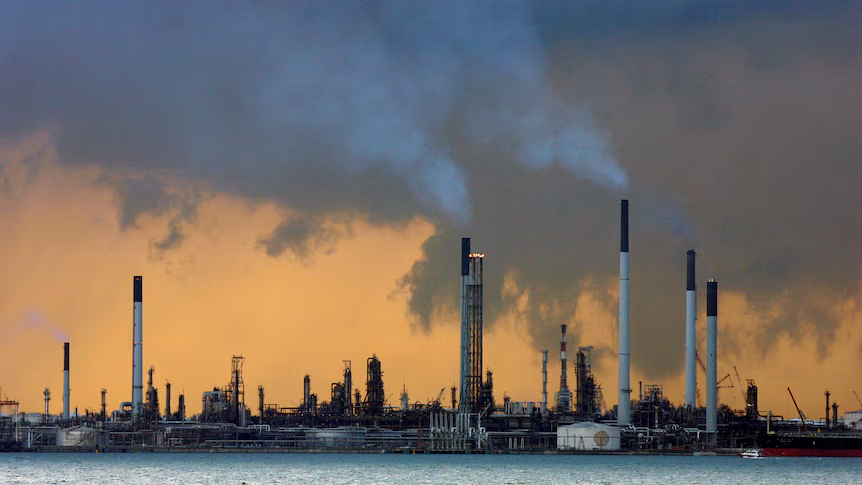
The Global Economy and the Case Against Complacency
The Transition from Resilience to Structural Fragility By mid-April 2026, the global economic landscape has transitioned from the initial shock of the Middle East conflict to a state of deceptive…
-
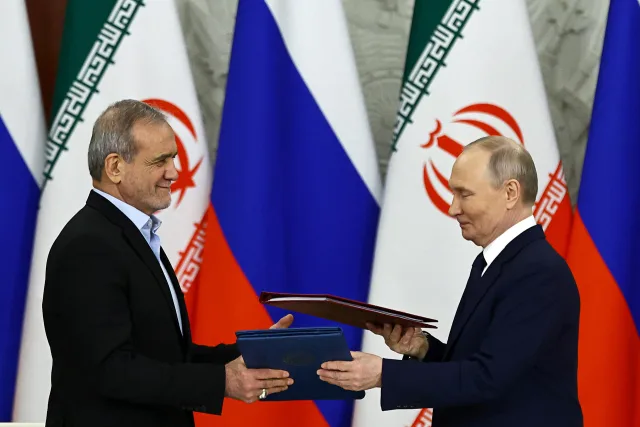
The Iran War Is Highlighting and Expanding
Council on Foreign Relations. The Iran War Is Highlighting—and Expanding—Authoritarian Collaboration The Iran war has brought renewed attention to the rise of authoritarian collaboration among global powers. This trend reflects…
-
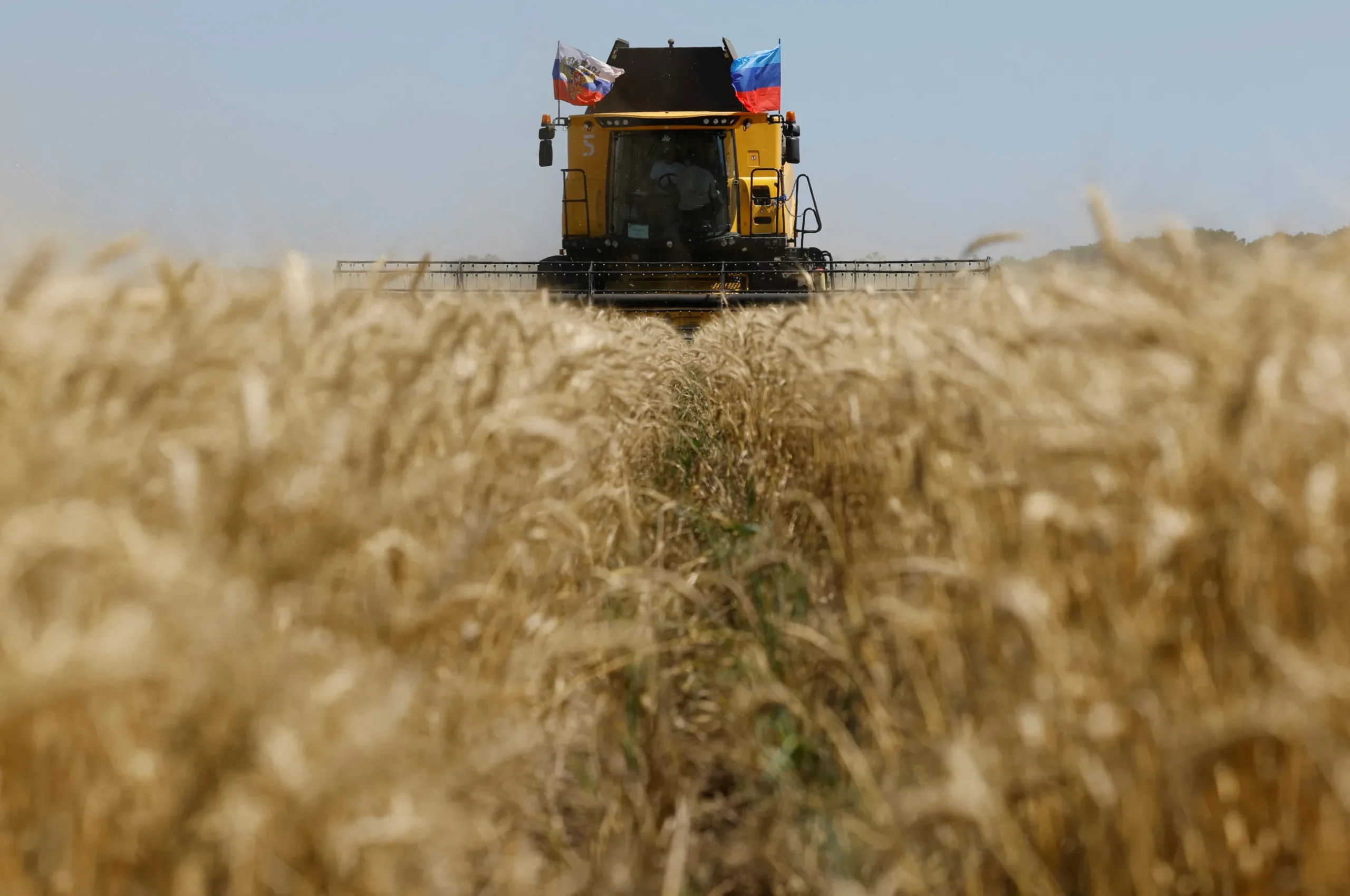
How the Iran War Could Drive a Historic Hunger Crisis
The Iran war hunger crisis highlights how geopolitical conflict can rapidly escalate into a global humanitarian emergency. Disruptions in the Strait of Hormuz have not only affected energy markets but…
-
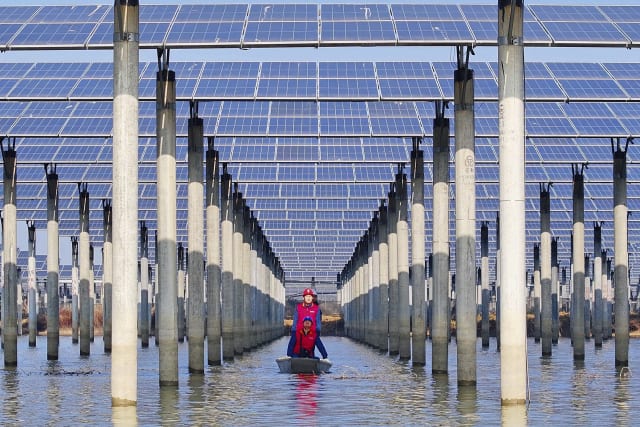
China Is Planning Decades Ahead on Clean Energy. The U.S. Has Other Priorities.
Council on Foreign Relations. Expert take The China clean energy strategy outlined in its latest Five-Year Plan highlights a long-term national commitment to dominate low-carbon technologies. In contrast, the United…
-

Many Countries Eliminated Measles. Why Is It Coming Back in the U.S. and Globally?
Council on Foreign Relations. Health The measles resurgence has become a growing global concern despite decades of successful vaccination efforts. Once declared eliminated in the United States in 2000, measles…
-
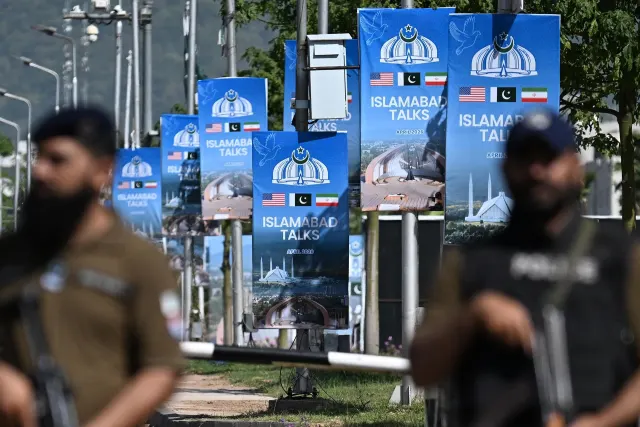
An ‘Open for Open’ Hormuz Deal Could Break the Iran Stalemate
Council on Foreign Relations. Expert Take The proposed Hormuz deal offers a potential path to ease tensions between the United States and Iran amid stalled negotiations. As both countries remain…
-
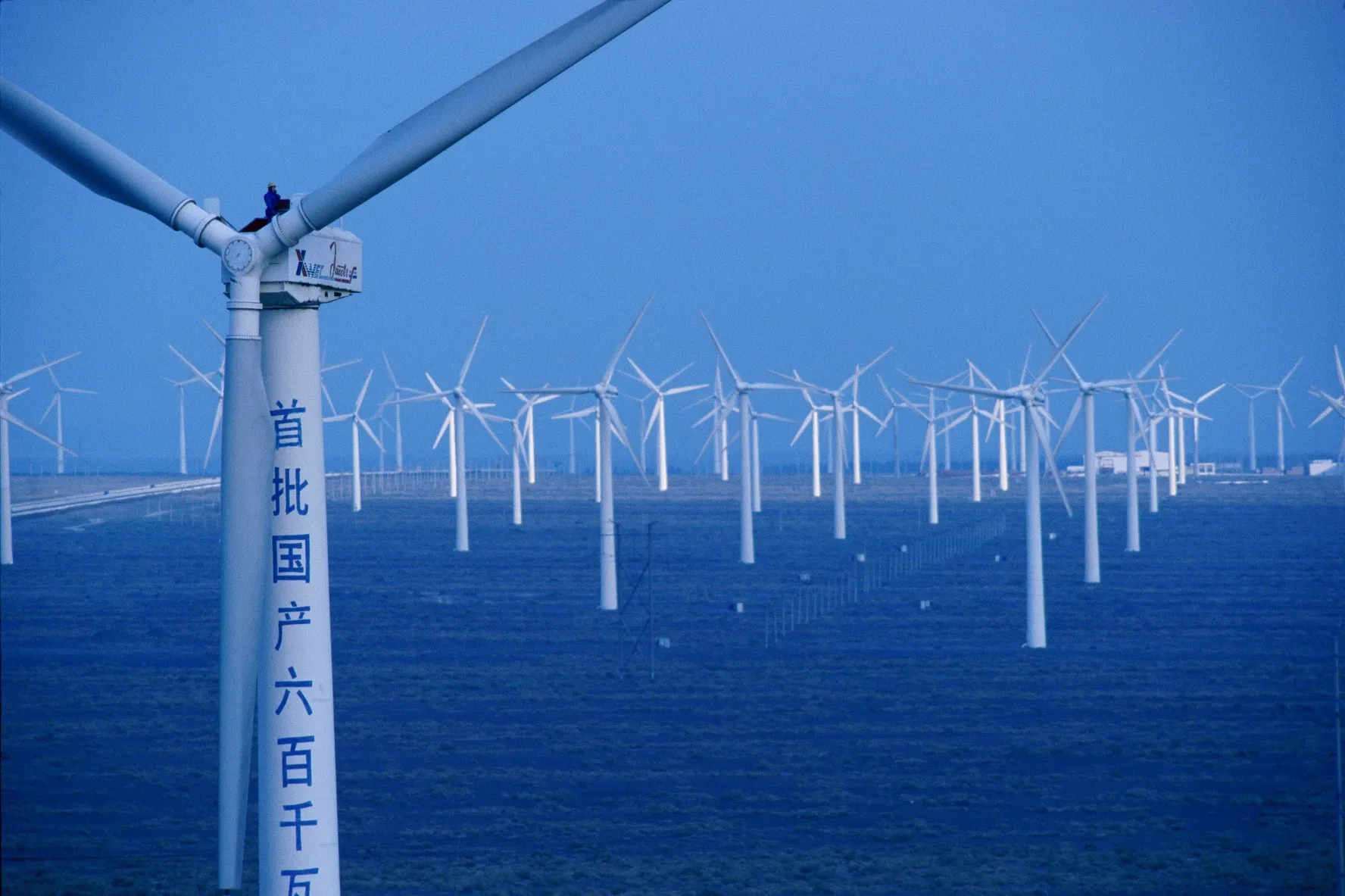
Should the US restrict Chinese investment in clean energy?
The urgent need to meet climate goals has placed the United States at a strategic crossroads. Policymakersmust decide whether to restrict Chinese investment in the clean energy sector to protect national security or welcome it to speed up the energy transition. A recentanalysis by the Brookings Institution explores the risks, benefits, and the need for clear “red lines.” Identifying the Core Security Risks The debate is…