
Victoria Rojas
-
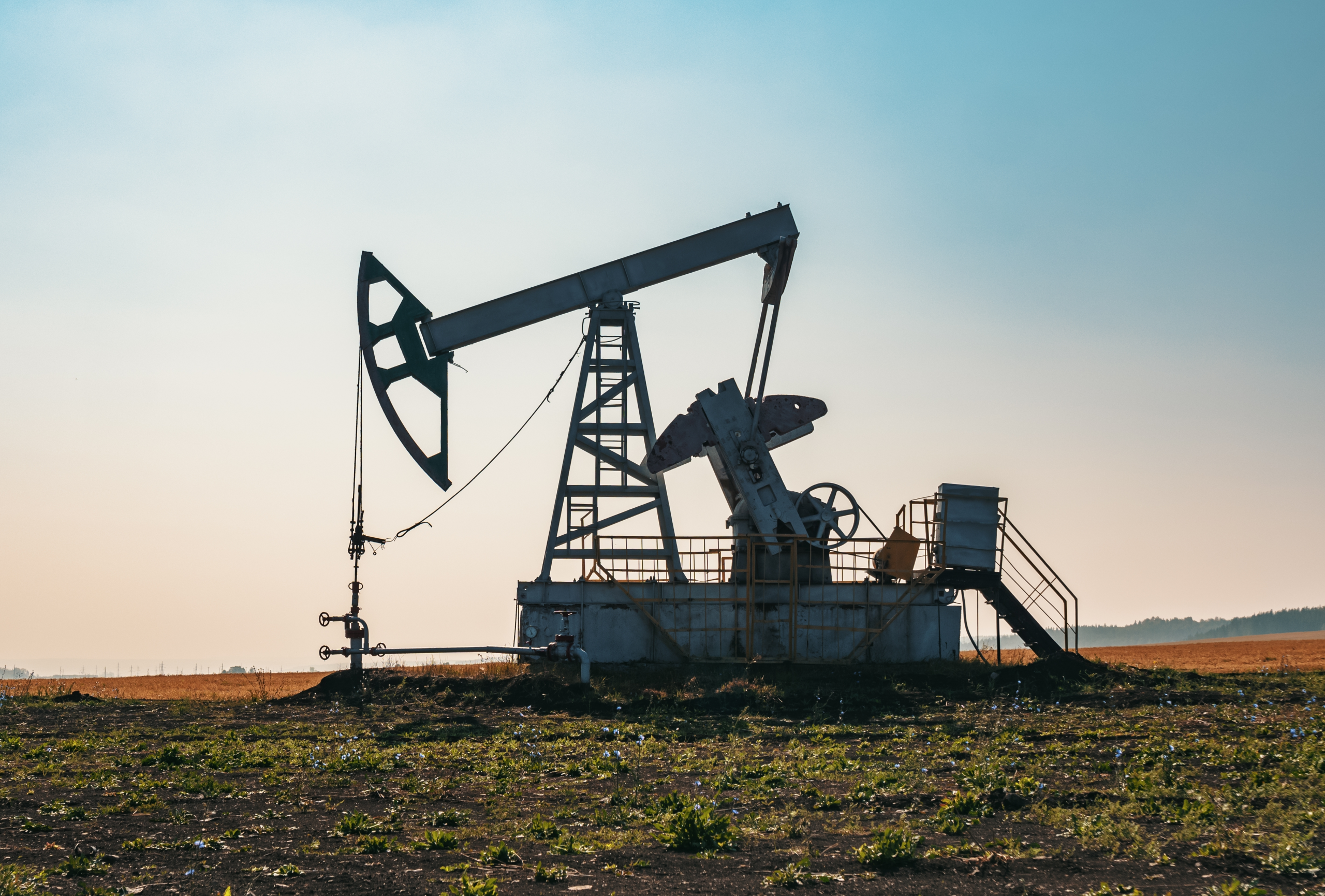
The timing of the impending crude crisis
At first glance, global oil markets appear to have absorbed the disruption caused by the closure of the Strait of Hormuz better than expected. Oil prices have risen, but they…
-

Trump Wants Arab States to Recognize Israel. The War Has Made That Harder.
Efforts to expand diplomatic recognition of Israel across the Middle East have become significantly more difficult since the outbreak of recent regional conflicts. President Donald Trump has promoted a broader…
-

AI water usage requires governments to rethink their approach to water
The rapid expansion of artificial intelligence is creating growing pressure on water resources, forcing governments to reconsider how water is managed, allocated, and regulated. While public debate around AI often…
-

Ethiopia needs more than an election to calm internal and regional conflict
Ethiopia’s elections are unfolding in a context of deep internal fragmentation and growing regional instability, making political competition far less about choice than about managing conflict. Prime Minister Abiy Ahmed…
-
Confusion over UK sanctions on Russia undermines a Western response that was already too slow and half-hearted
Confusion surrounding the United Kingdom’s sanctions policy toward Russia has weakened an already fragile Western response. Public uncertainty over whether London planned to tighten or ease restrictions created mixed signals…
-

The UK can’t break off critical mineral links with China. But it can understand its vulnerabilities
The United Kingdom remains deeply connected to China through critical mineral supply chains, making a complete separation economically unrealistic. Minerals essential for electronics, clean energy, and advanced manufacturing are often…
-
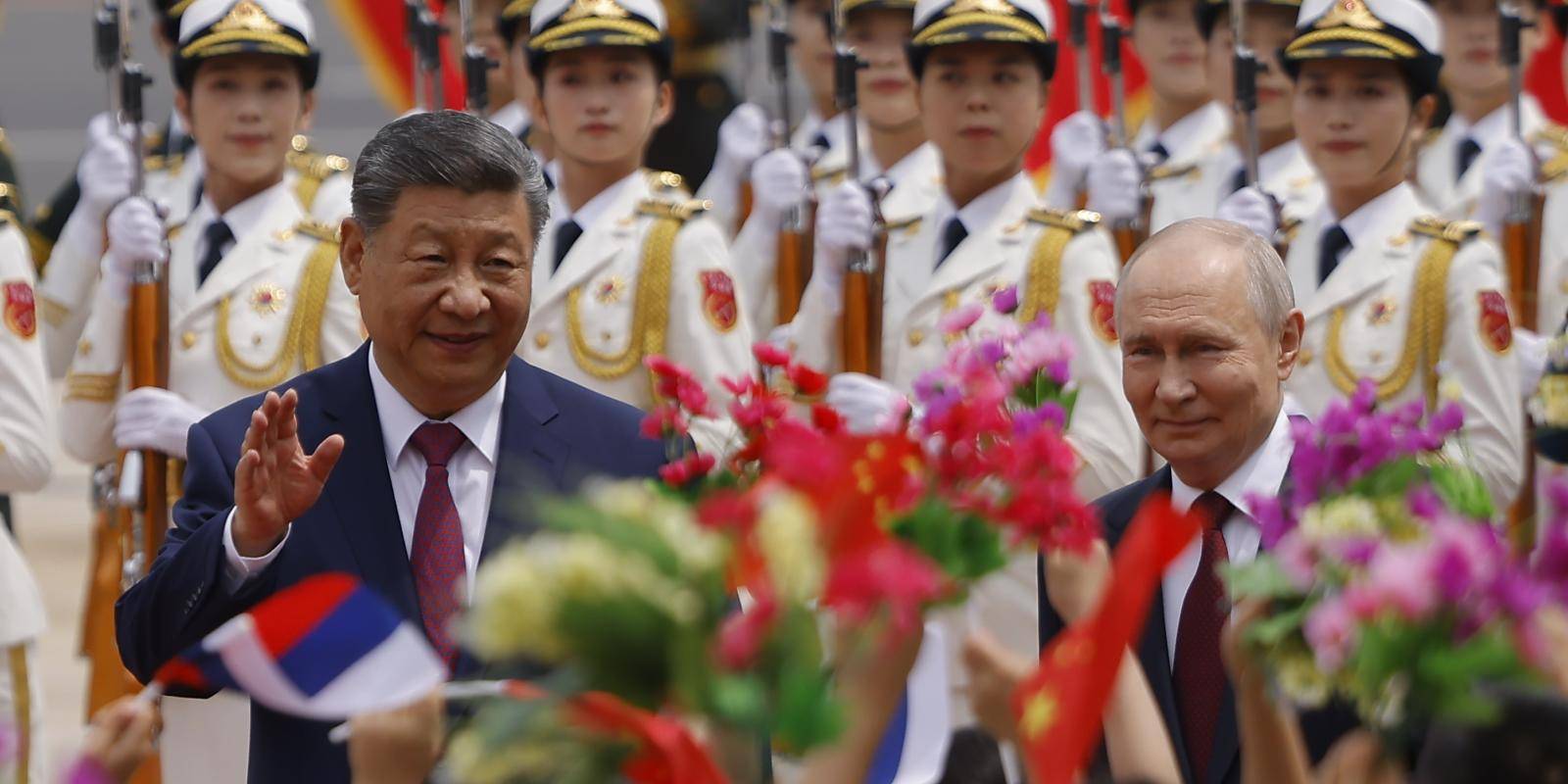
China and Russia’s strategic duo endures – but its limits are clear
China and Russia continue to project an image of closeness, especially during high-profile meetings between presidents Xi Jinping and Vladimir Putin. Public displays of unity often suggest a partnership growing…
-
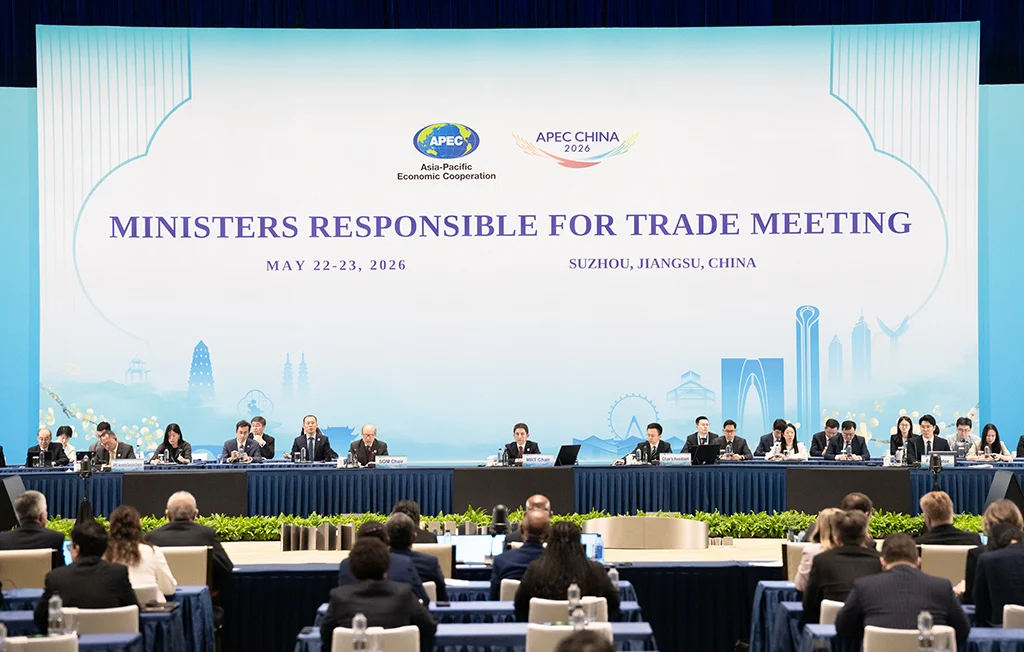
2026 APEC Ministers Responsible for Trade Joint Statement
APEC trade ministers reaffirmed their commitment to open and rules-based trade during a period marked by economic uncertainty, geopolitical tensions, and rising protectionist pressures. The cooperation was framed as necessary…
-

Trump’s treatment of US allies has weakened his negotiating position with Xi
The balance of power between the United States and China is being reshaped by a weakening of Washington’s negotiating position with Xi Jinping, largely due to deteriorating relations with longstanding…
-
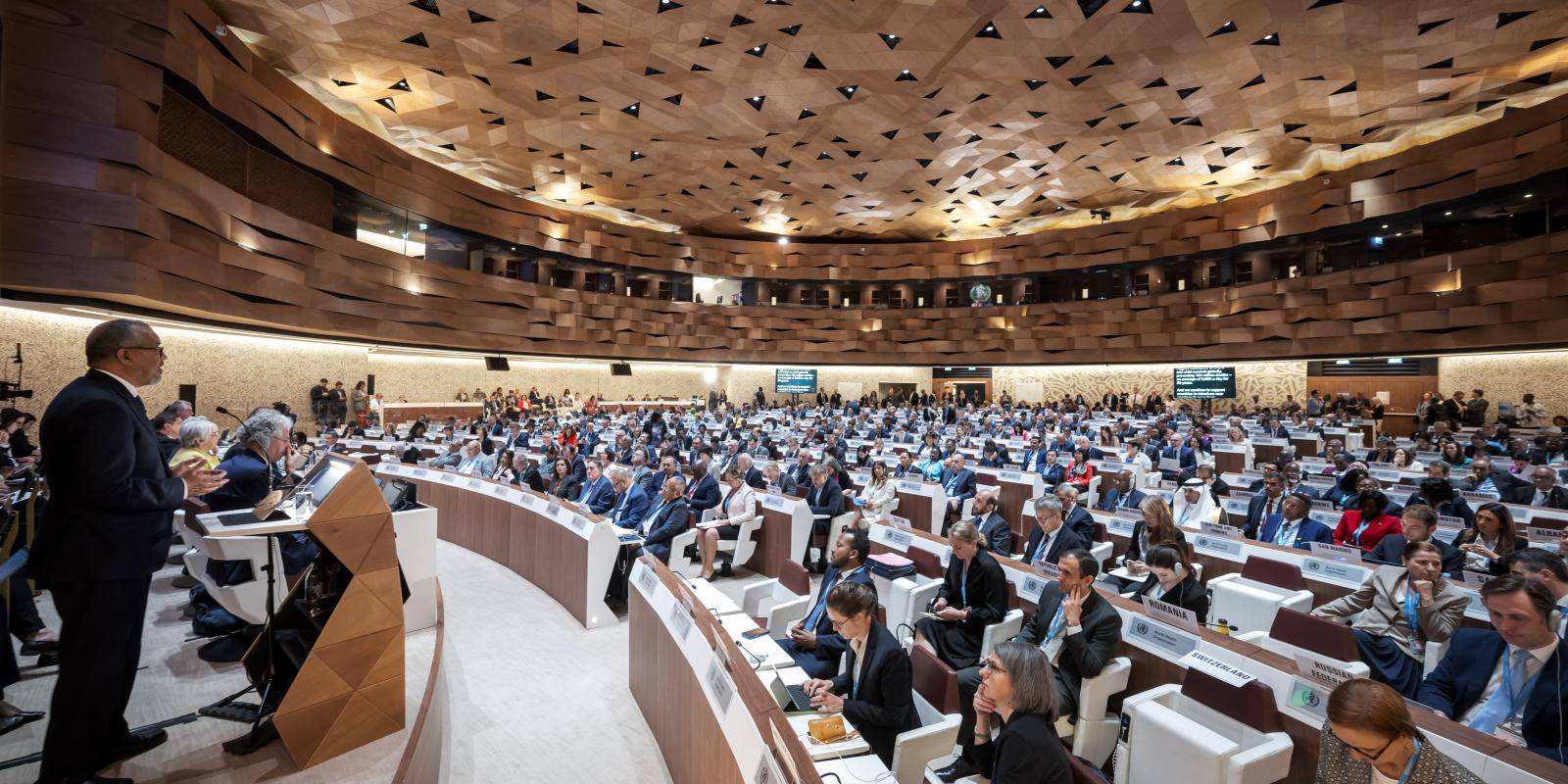
Global health reform cannot wait for a new world order. Middle powers must act now
Global health governance is facing one of its most fragile moments in decades. The withdrawal of the United States from the World Health Organization (WHO) has opened a major funding…
-
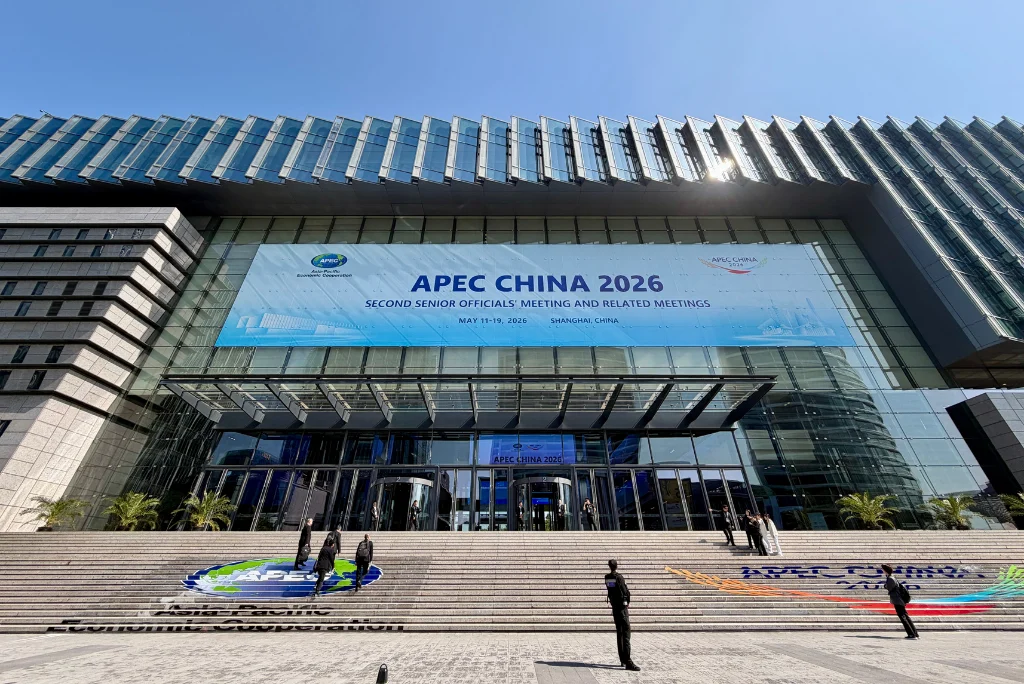
APEC Strengthens Regional Cooperation in Shanghai Amid Growing Trade Uncertainty
Growing trade uncertainty and shifting geopolitical conditions are placing new pressure on regional cooperation across the Asia-Pacific. In response, representatives from the 21 member economies of the Asia-Pacific Economic Cooperation…
-

Supreme Court decision alters 2026 midterm election outlook
Before a recent Supreme Court ruling, Democrats appeared to be gaining momentum ahead of the 2026 U.S. midterm elections. Historical voting patterns, declining presidential approval ratings and strong Democratic performances…
-
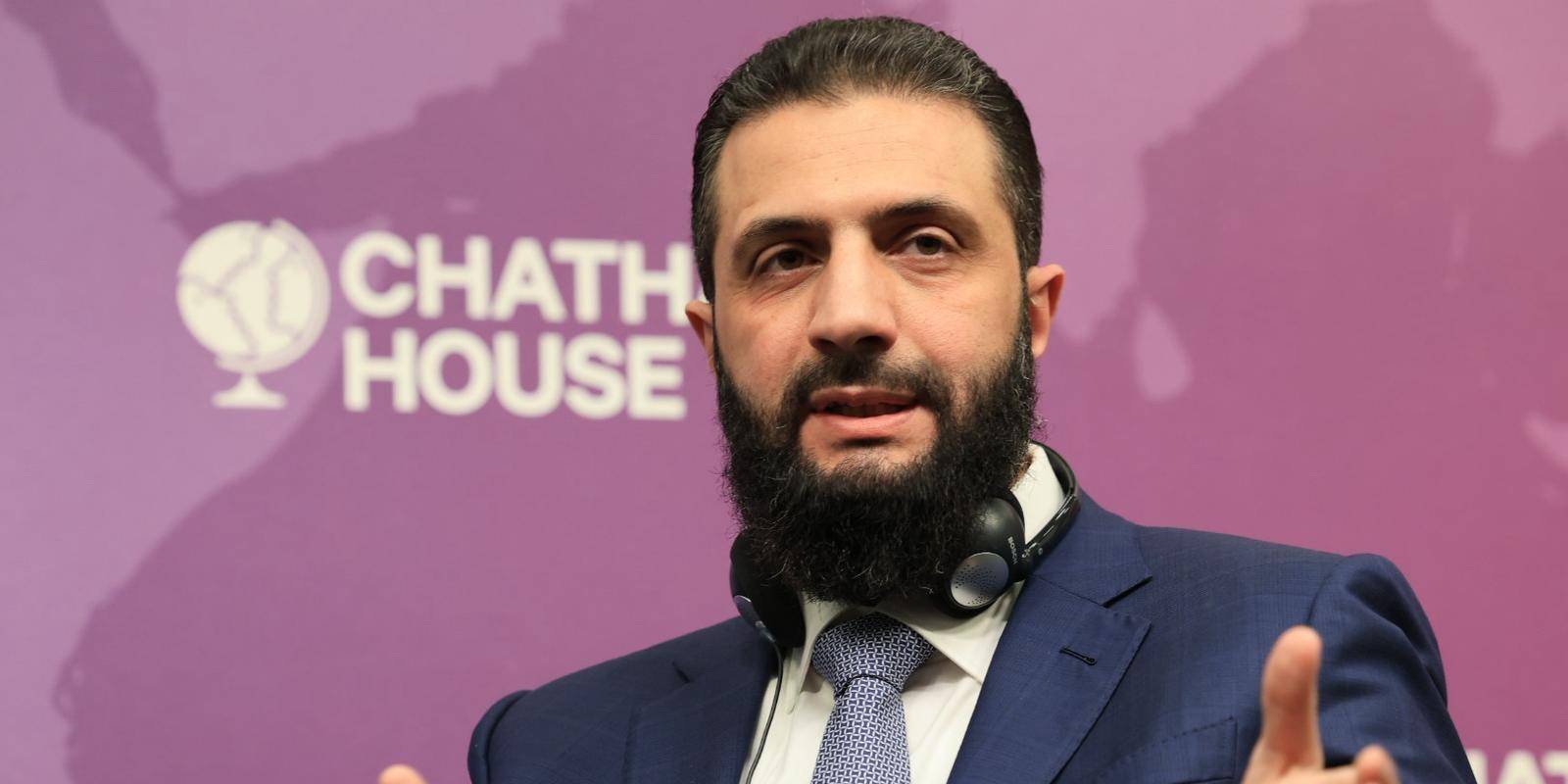
Syrian President al-Sharaa on Iran war: ‘Syria will remain outside this conflict’
Syria is deliberately positioning itself outside the war involving Iran, signaling a cautious but significant shift in its regional posture. President Ahmed al-Sharaa emphasizes that the country does not intend…
-

Iraqi civilians are paying the price of the Iran war
The war involving Iran is unfolding far beyond its immediate battlefield, and Iraq has become one of its most exposed fronts. While the conflict is driven by larger geopolitical actors,…
-

Trump’s Iran climbdown wasn’t an offramp
Trump’s decision to step back from immediate escalation with Iran has been presented as a form of restraint, but it does not represent a real exit from the conflict. Rather…
-
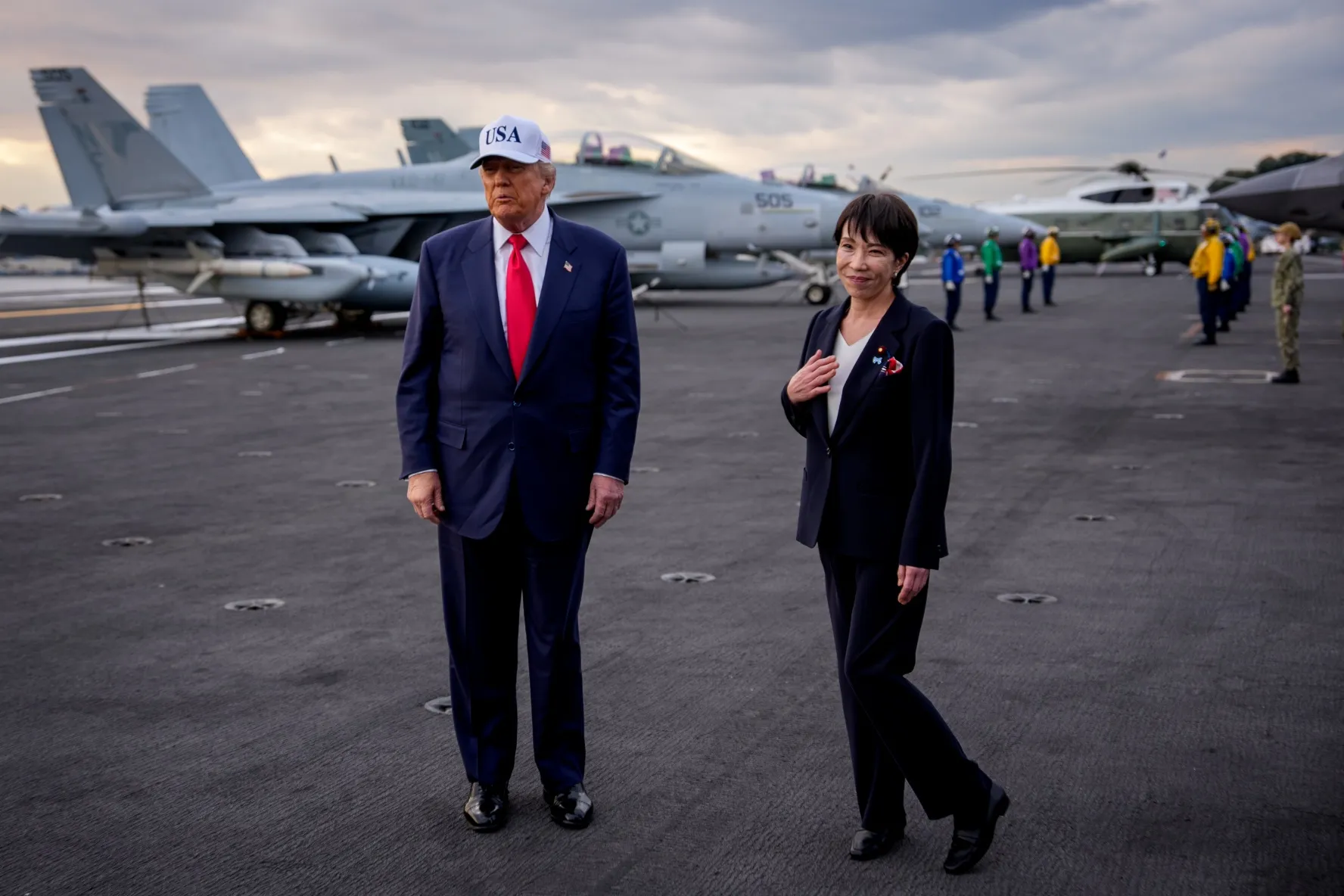
Late-breaking shocks and shifting goalposts: Takaichi’s highwire Washington visit
Sanae Takaichi’s visit to Washington unfolds in a moment where international politics feels unstable and constantly shifting. Global crises, changing U.S. priorities and unexpected developments shape the context of the…
-
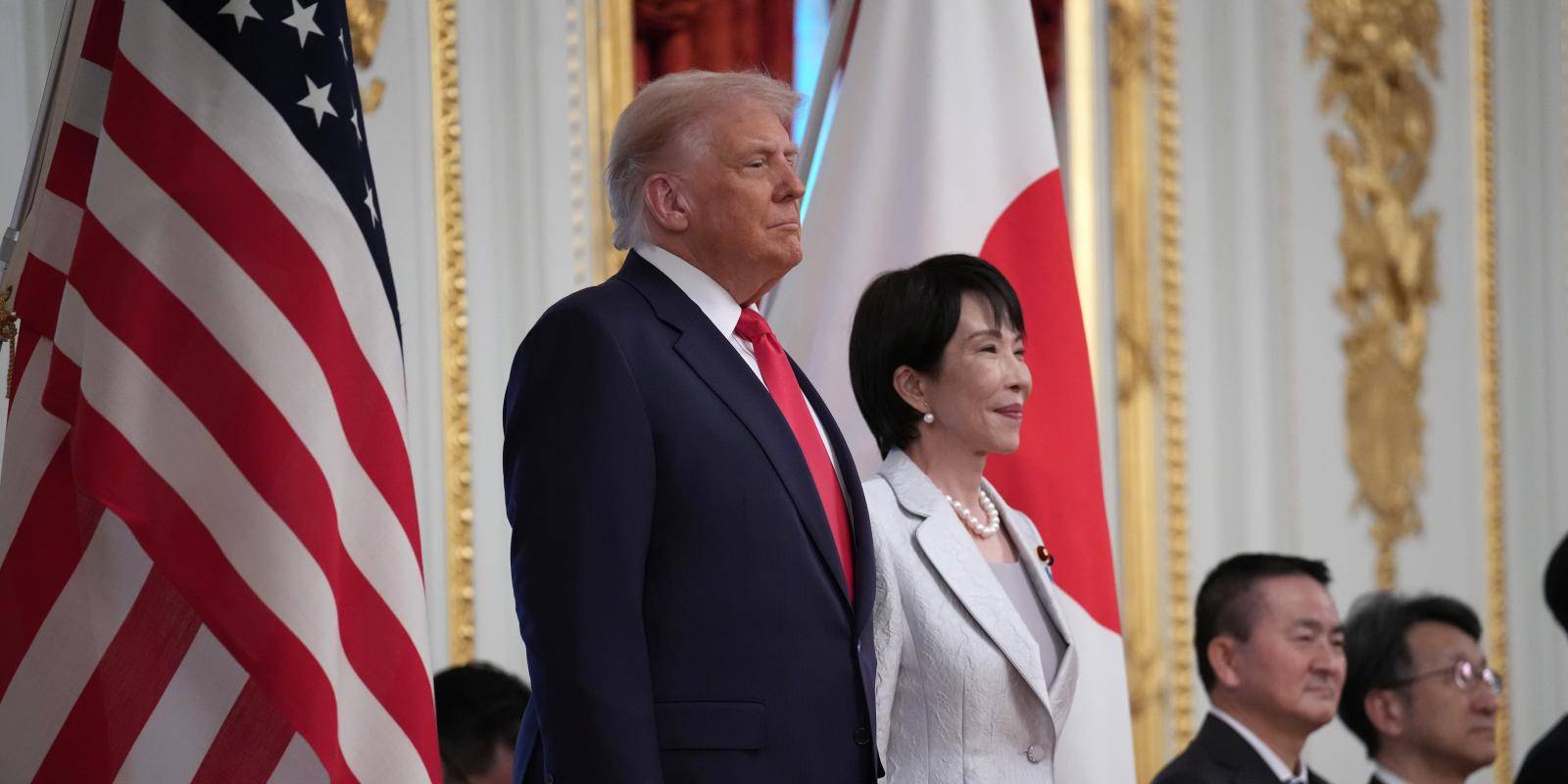
Takaichi takes on Trump
Japan’s Prime Minister Sanae Takaichi is navigating a complex relationship with Donald Trump’s second administration. Although both leaders share nationalist tendencies, their interaction is shaped more by pressure than alignment.…
-
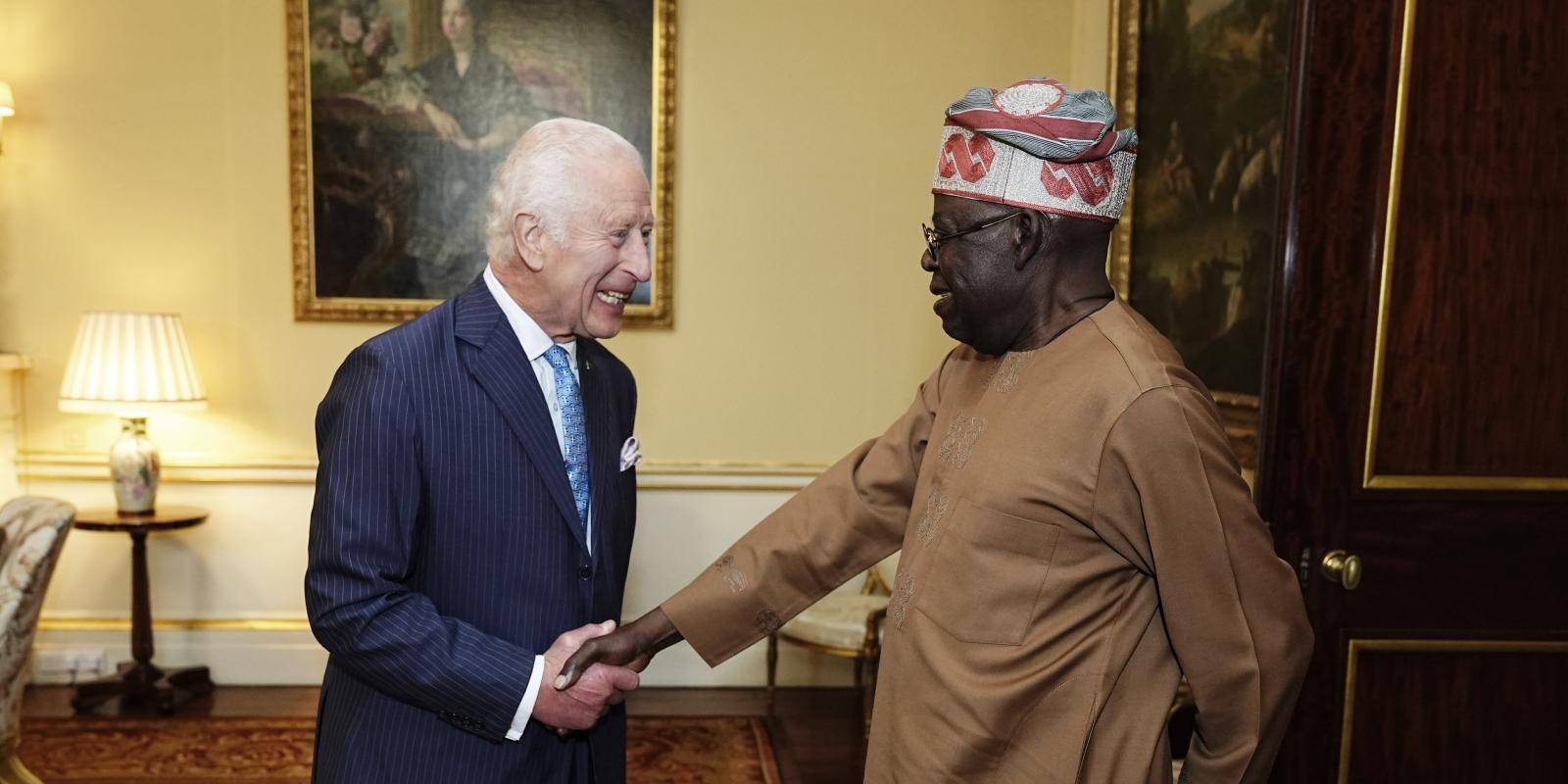
Tinubu’s UK state visit: diplomacy alone won’t fix Nigeria’s problems
President Bola Tinubu’s state visit to the United Kingdom highlights Nigeria’s growing international visibility, but it also raises a deeper question: whether high-profile diplomacy is actually improving conditions at home.…
-
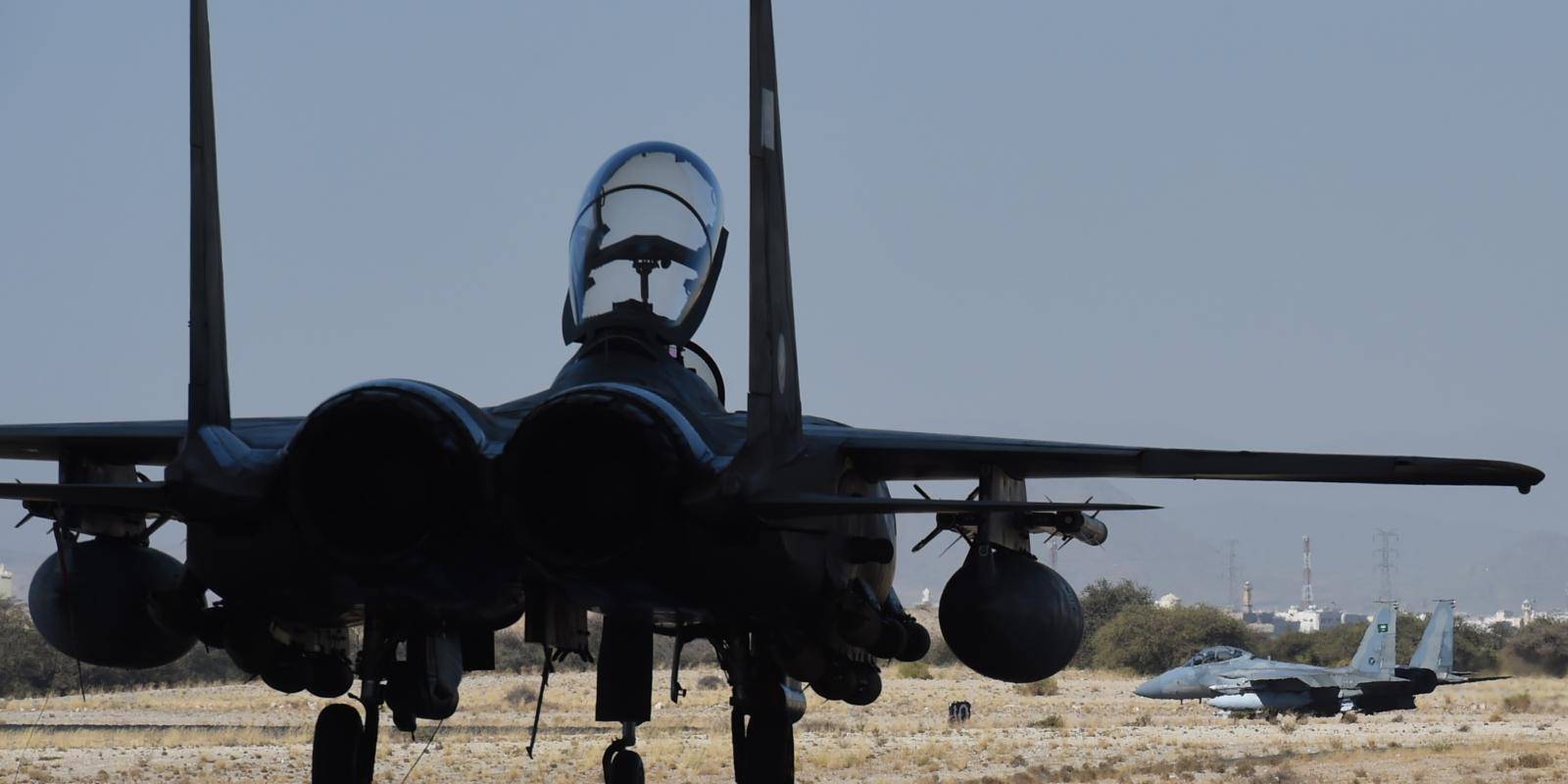
Should the Gulf Arab states join the war against Iran?
Gulf Arab states are being pushed into a difficult position as tensions with Iran escalate, but joining a war is not in their best interest. Most of these countries prefer…
-
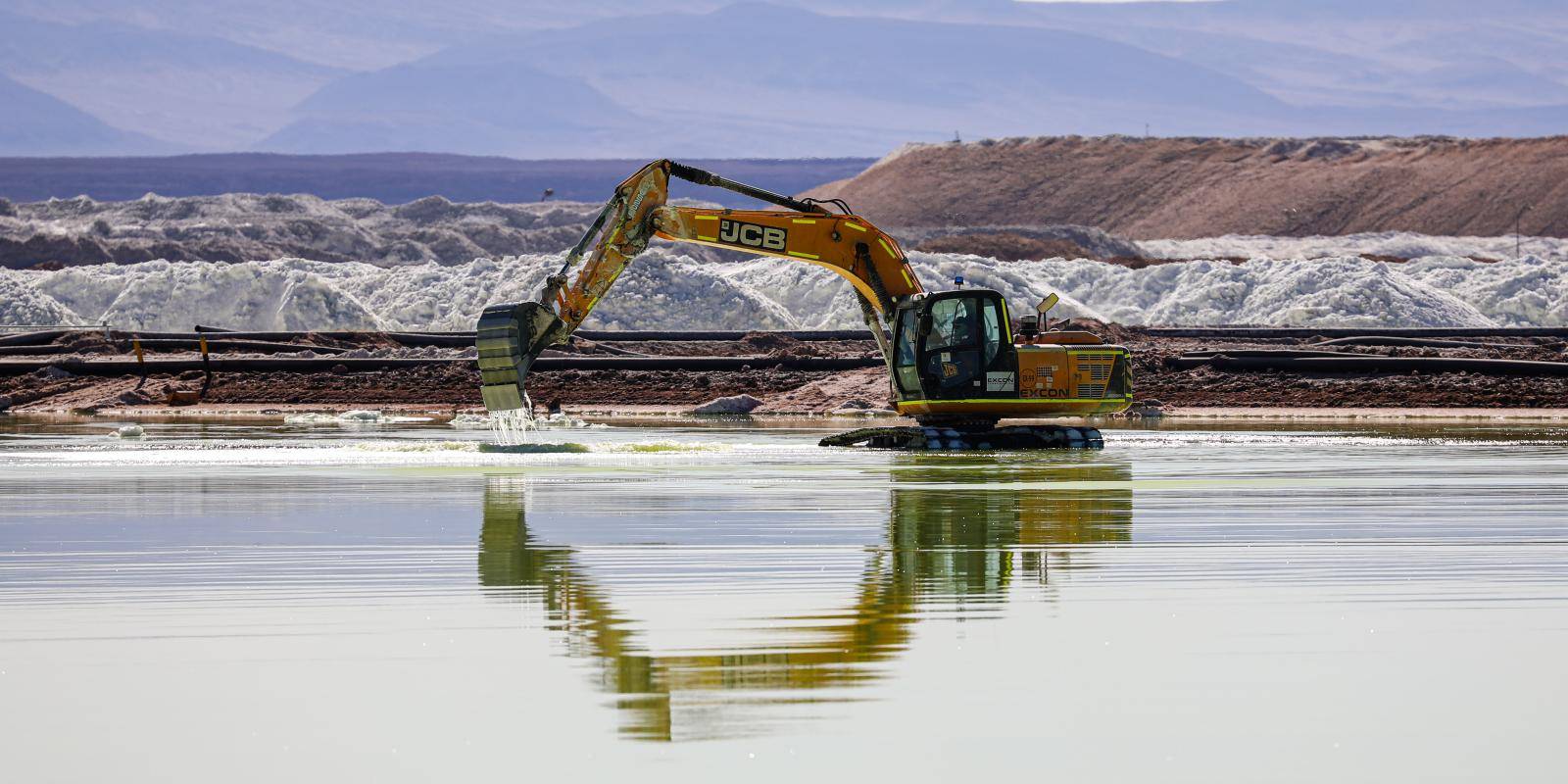
To secure critical minerals supply governments need to take a stake in industry
Securing access to critical minerals has become a central geopolitical priority, especially as demand grows for technologies tied to energy transition, defense, and digital industries. Relying solely on global markets…
-

The Iran war should boost security cooperation by US Pacific allies like Japan, the Philippines and South Korea
The war with Iran is not just reshaping the Middle East, but also exposing the limits of the U.S.-led security order. For allies like Japan, South Korea, and the Philippines,…
-

Building together: Why co-financing matters more than ever
Co-financing is becoming increasingly important as the world faces overlapping global challenges like climate change, economic recovery and persistent poverty. Traditional sources of development finance are no longer sufficient on…
-

What works for work: High-impact employment solutions
Many countries are struggling with unemployment, underemployment and job insecurity, especially among young people and women. Traditional approaches to creating jobs are no longer enough on their own, and policymakers…
-
Building Drought Resilience Across Southern Africa: A Regional Imperative
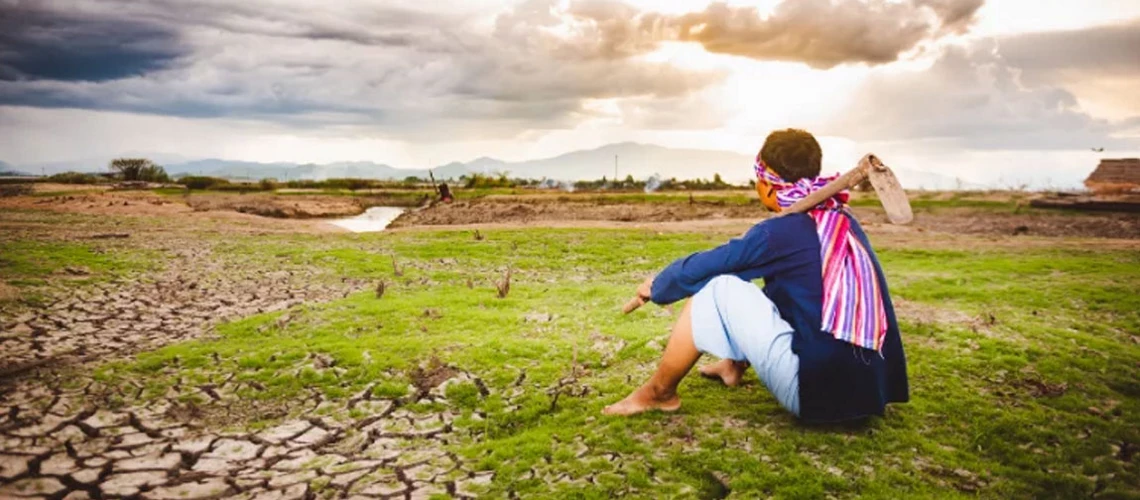
Southern Africa stands on the front line of the climate crisis. Drought is no longer an occasional shock, it is becoming a defining feature of the region’s future. These droughts…
-
Hope on the front lines: What we saw during our return to Sudan
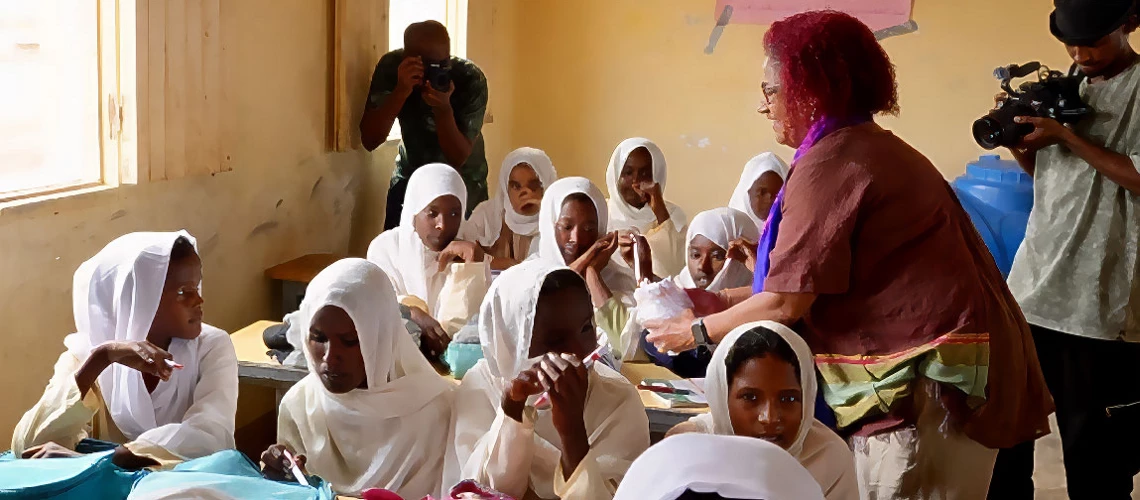
After years of crisis and conflict in Sudan, recent visits to communities on the front lines reveal both immense suffering and surprising resilience among ordinary people. Despite widespread destruction of…
-
Educators shaping futures: What we know, still need to learn, and can do
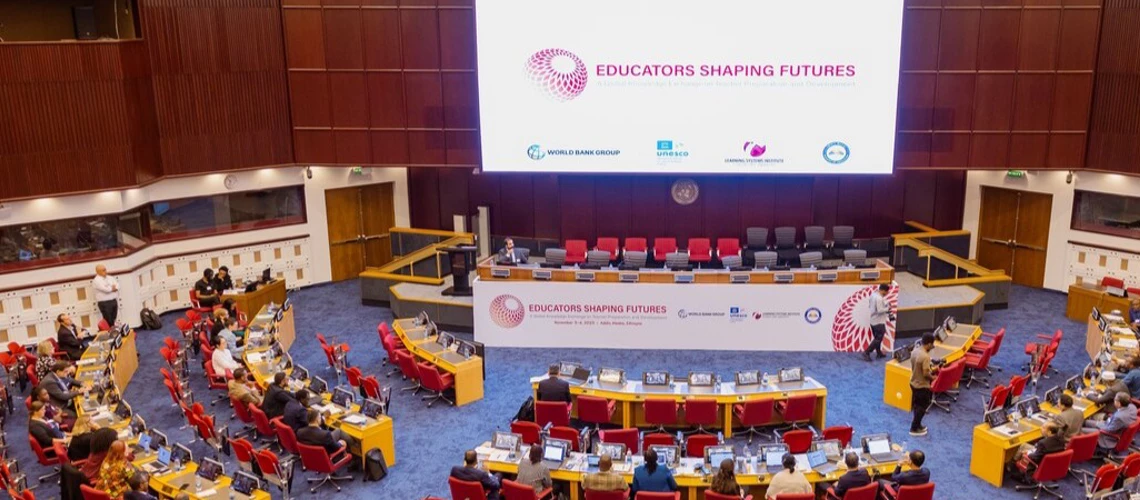
Global education leaders recently met in Addis Ababa to focus on a central challenge: how to prepare and support teachers so that every child can learn effectively. Educators, policymakers and…
-
5 days in Indonesia: How people, not pipes, keep water flowing
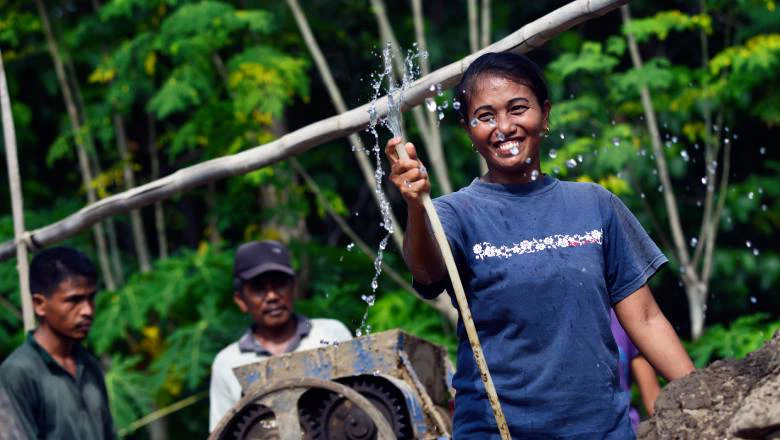
Across Indonesia, access to safe and reliable water depends less on pipes and infrastructure and more on the resilience and adaptive capacity of the people who manage, distribute, and safeguard…
-
A drier future? Strengthening drought resilience in Latin America
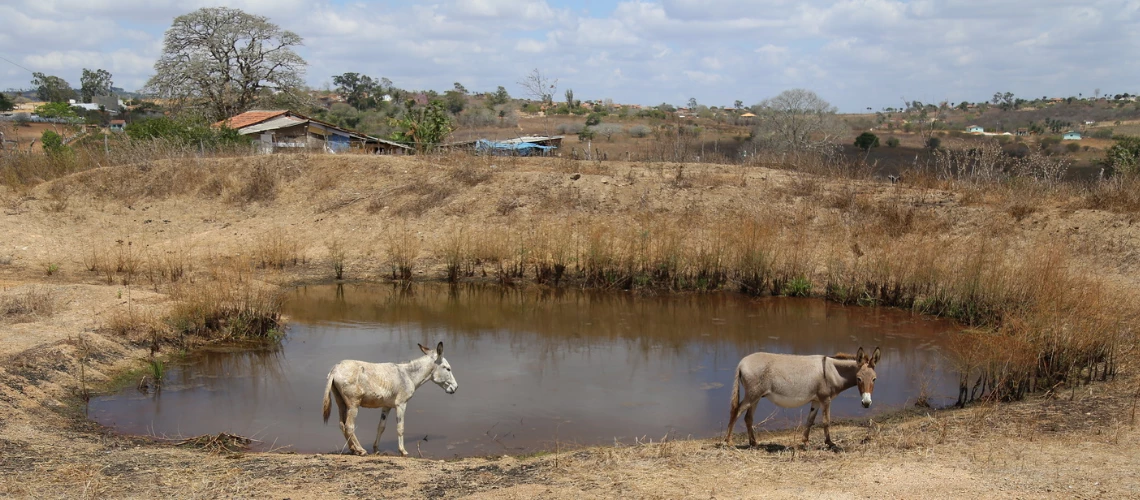
Drought in Latin America is exposing structural weaknesses that long predate climate change. Water scarcity is colliding with inequality, fragile institutions, informal labor markets, and uneven infrastructure investment. The result…
-

Morocco to fuel global shipping’s energy transition
Morocco is positioning itself as a key player in the global transition to cleaner energy for shipping, a sector long reliant on heavy fuels that drive pollution and climate change.…
-
How AI and machine learning can predict and explain social risks for more effective development operations
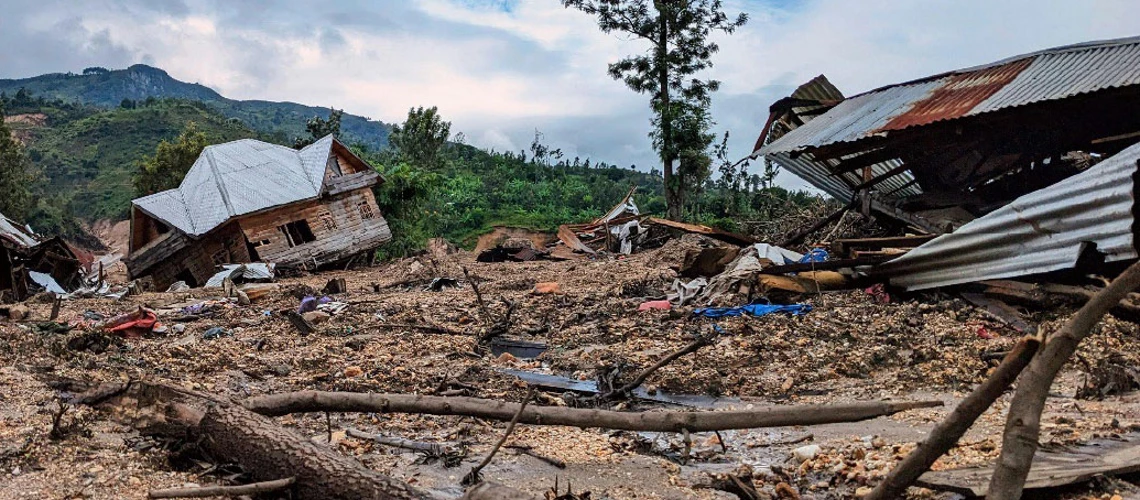
AI and machine learning are transforming how development agencies understand and respond to social risks. By analyzing large and complex datasets, these technologies can detect patterns and trends that humans…