
Iran
-
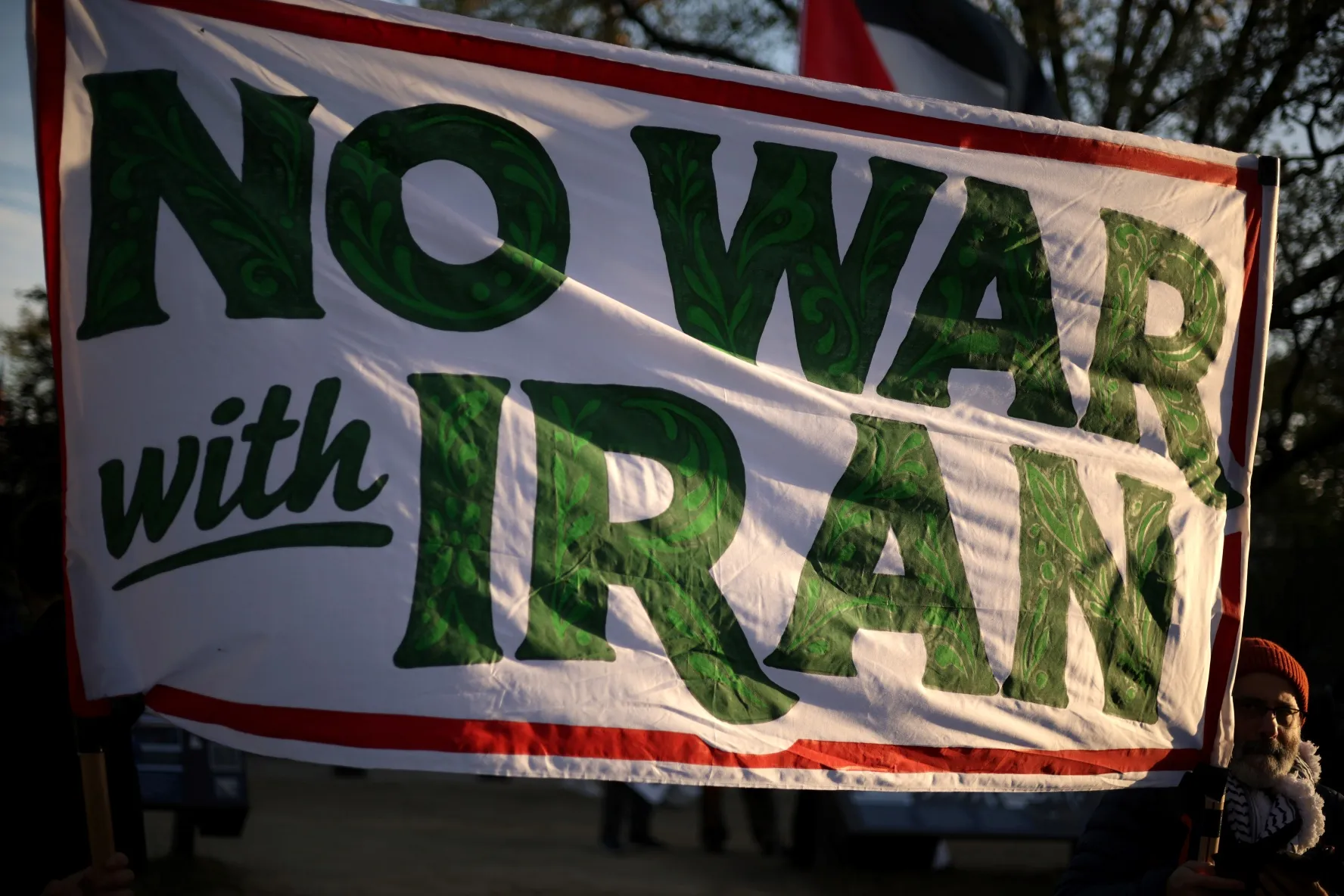
Most Americans say the Iran war is bad for America
Public opinion in the United States has largely turned against the war with Iran, reflecting widespread concerns about its consequences for national interests, economic stability, international security, among others. Survey…
-

U.S. Presses Neutral Oman to Pick a Side and Cut Ties With Iran
At the start of the ongoing U.S.-Iran war, Oman utilized its staunch impartiality to establish a diplomatic back channel with Tehran, a move that successfully helped Gulf states reopen vital…
-
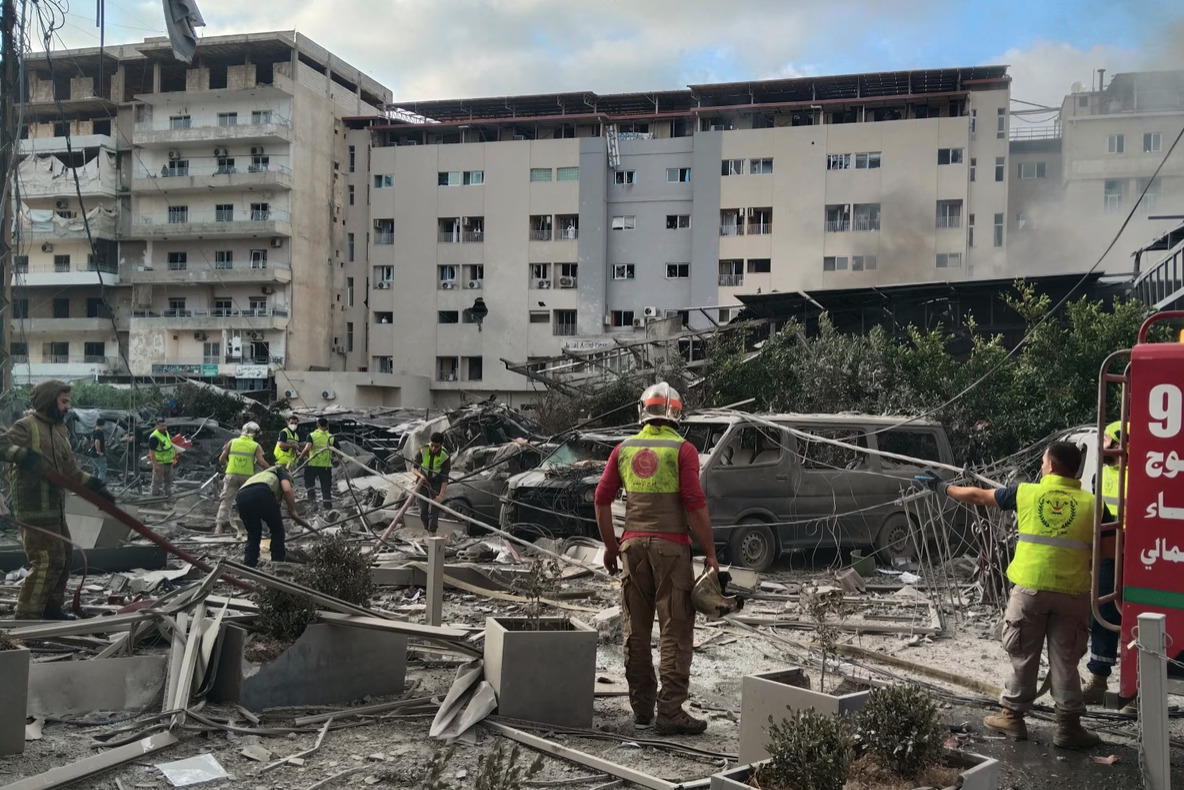
Trump Pushes to End Lebanon Conflict in Hope of Unlocking a Deal With Iran
President Trump is actively pushing to end the escalating conflict between Israel and Hezbollah in Lebanon, recognizing it as a major obstacle to securing a lasting peace agreement with Iran.…
-
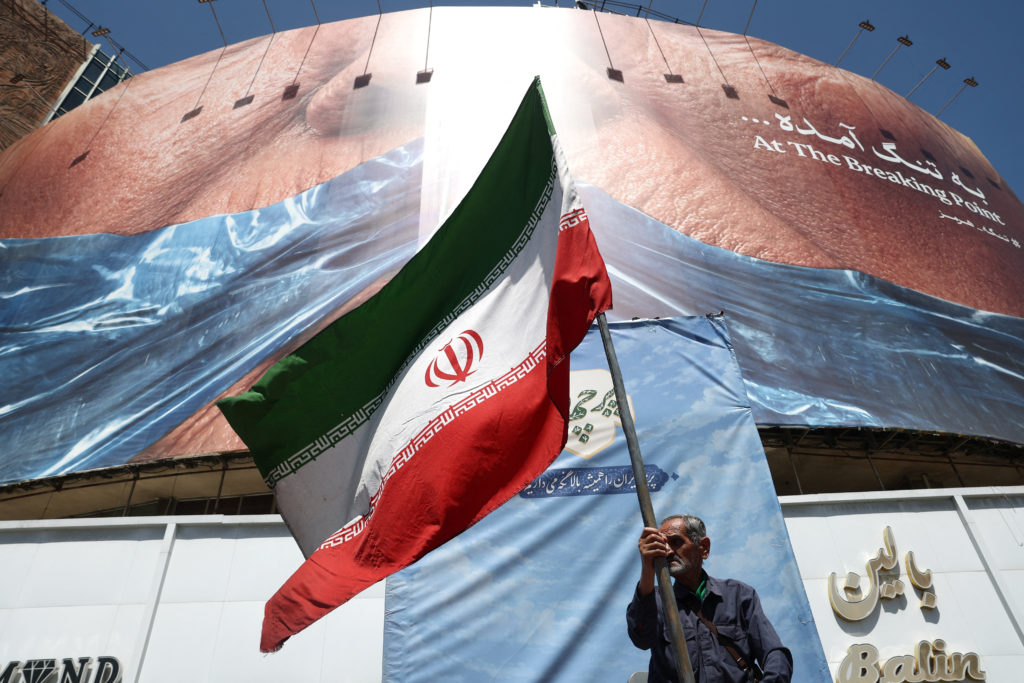
US bombs Iranian military sites, then downs missiles Tehran fired at troops in Kuwait
The direct confrontation between the United States and Iran escalated sharply on Monday morning. When the U.S. military launched airstrikes against military sites inside Iran.
-

U.S. and Iran Reach Tentative Deal to Extend Ceasefire and Resume Nuclear Talks
Tentative Ceasefire Agreement U.S. and Iranian negotiators reached a tentative agreement to extend the ceasefire in the three-month war by 60 days and begin a new round of talks on…
-
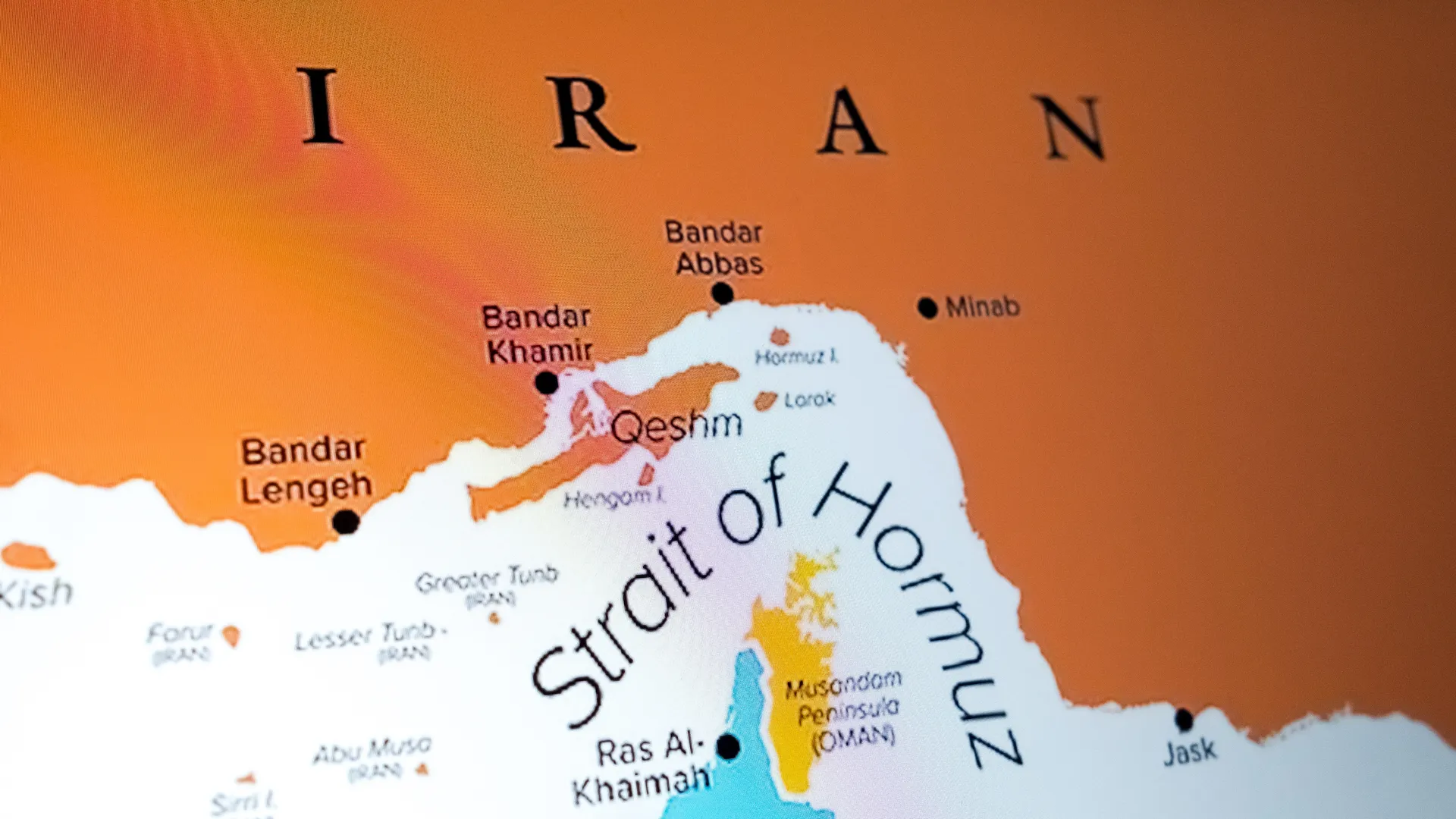
Have US-Iran talks failed? Why no deal yet doesn’t mean diplomacy is dead?
The US-Iran diplomacy is on declined. After negotiations made almost 3 weeks ago, before the US attacks on Israel, diplomacy was at its peak, having negotiations with a third party…
-

The Hormuz Standoff: Will the Fragile Ceasefire Hold?
The Transition from Escalation to a Precarious Tactical Pause By late April 2026, the maritime confrontation in the Persian Gulf has transitioned from active kinetic exchanges to a high-stakes tactical…
-
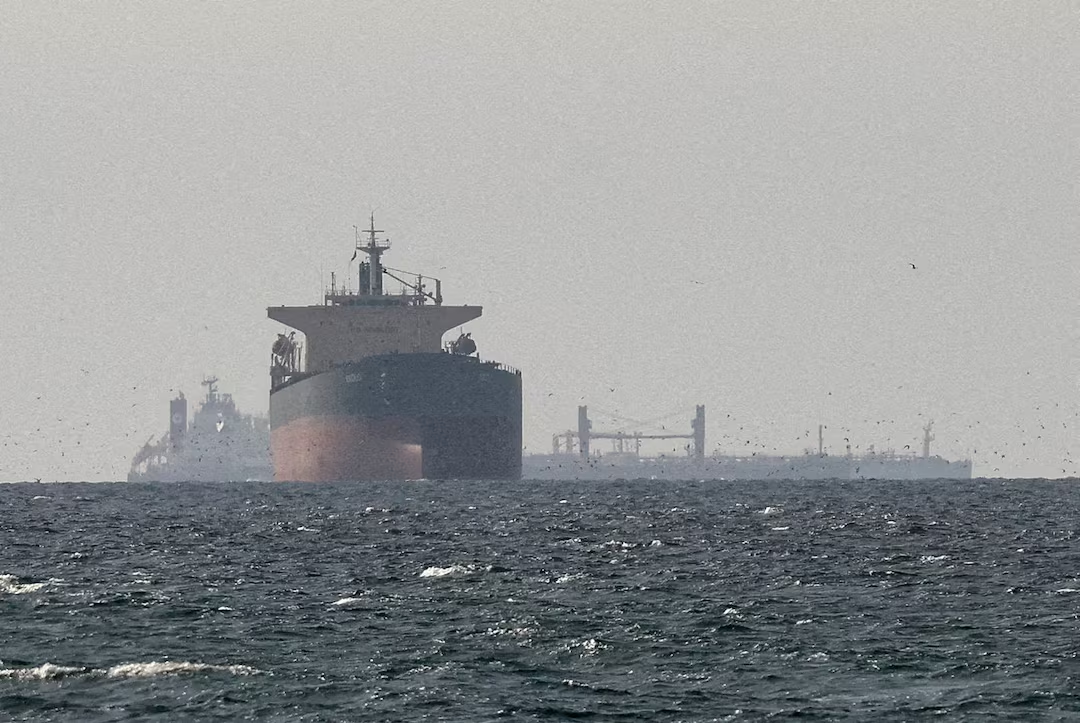
Gulf Worries: US-Iran Talks and Tehran’s Golden Grip on Hormuz
From Security Assurance to Strategic Anxiety By late April 2026, the diplomatic climate in the Persian Gulf has transitioned from a demand for American protection to a deep-seated anxiety regarding…
-
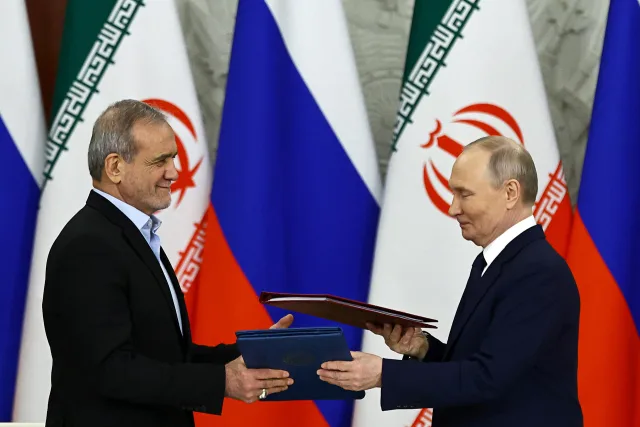
The Iran War Is Highlighting and Expanding
Council on Foreign Relations. The Iran War Is Highlighting—and Expanding—Authoritarian Collaboration The Iran war has brought renewed attention to the rise of authoritarian collaboration among global powers. This trend reflects…
-
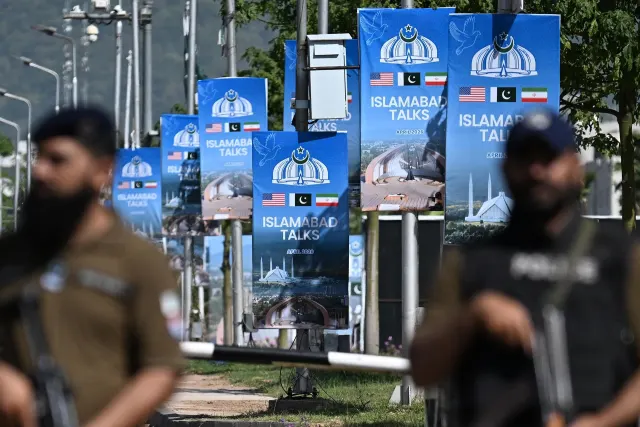
An ‘Open for Open’ Hormuz Deal Could Break the Iran Stalemate
Council on Foreign Relations. Expert Take The proposed Hormuz deal offers a potential path to ease tensions between the United States and Iran amid stalled negotiations. As both countries remain…
-
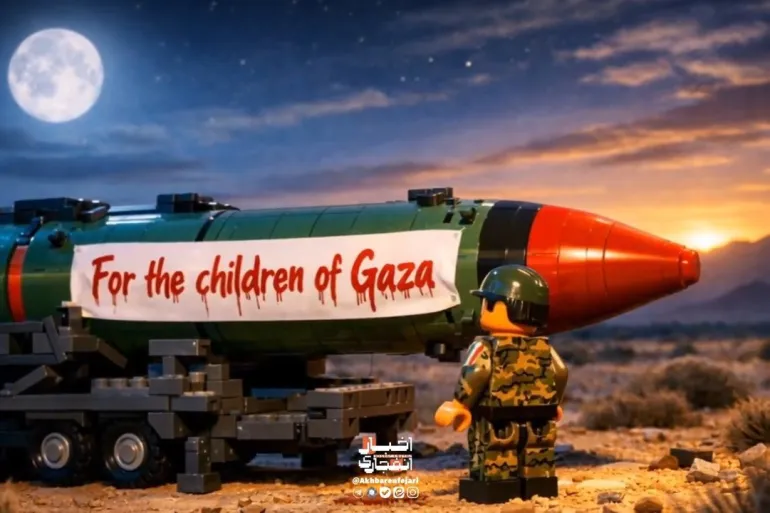
“Vengeance for All”: Iran’s New Narrative for War
The Transition from State Propaganda to “Memetic Subversion” By April 2026, the Iranian messaging strategy has transitioned from dry, state-controlled press releases to a sophisticated campaign of Memetic Subversion. The…
-
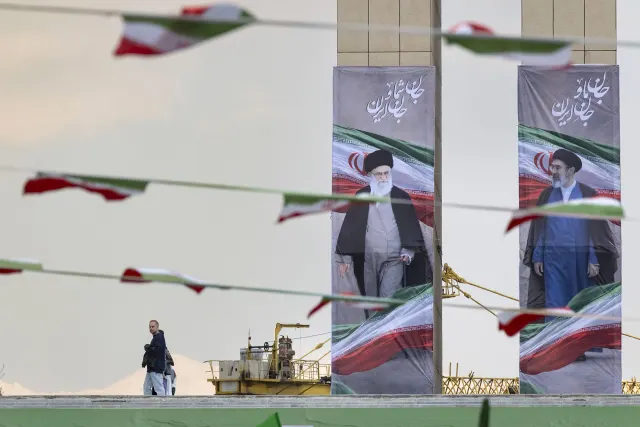
How the Iran War Confirmed, Contradicted, and Complicated U.S. Policy
The article How the Iran War Confirmed, Contradicted, and Complicated U.S. Policy by Elisa Ewers and Ariane Tabatabai examines how the recent conflict has tested long-standing assumptions behind Iran policy.…
-
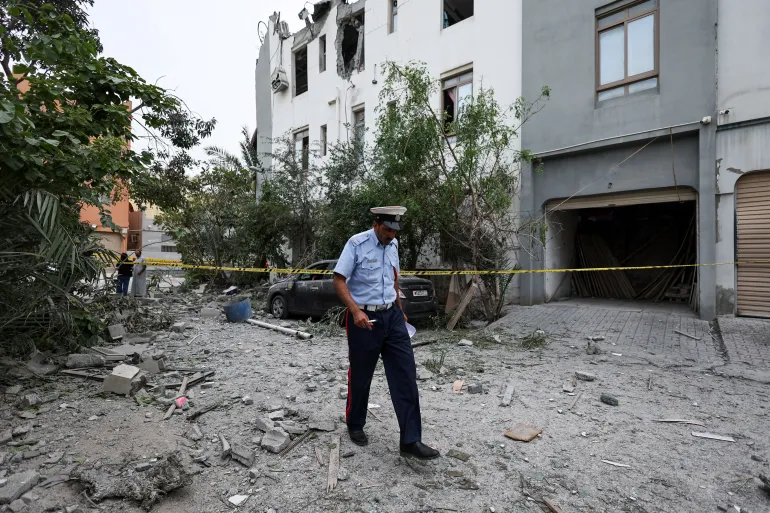
Diplomatic Friction and Asymmetric Escalation: The Gulf’s New Front
The Transition from Regional Neutrality to Active Hostility By mid-April 2026, the Persian Gulf has transitioned from a zone of “cautious neutrality” to an active theater of proxy warfare. The…
-
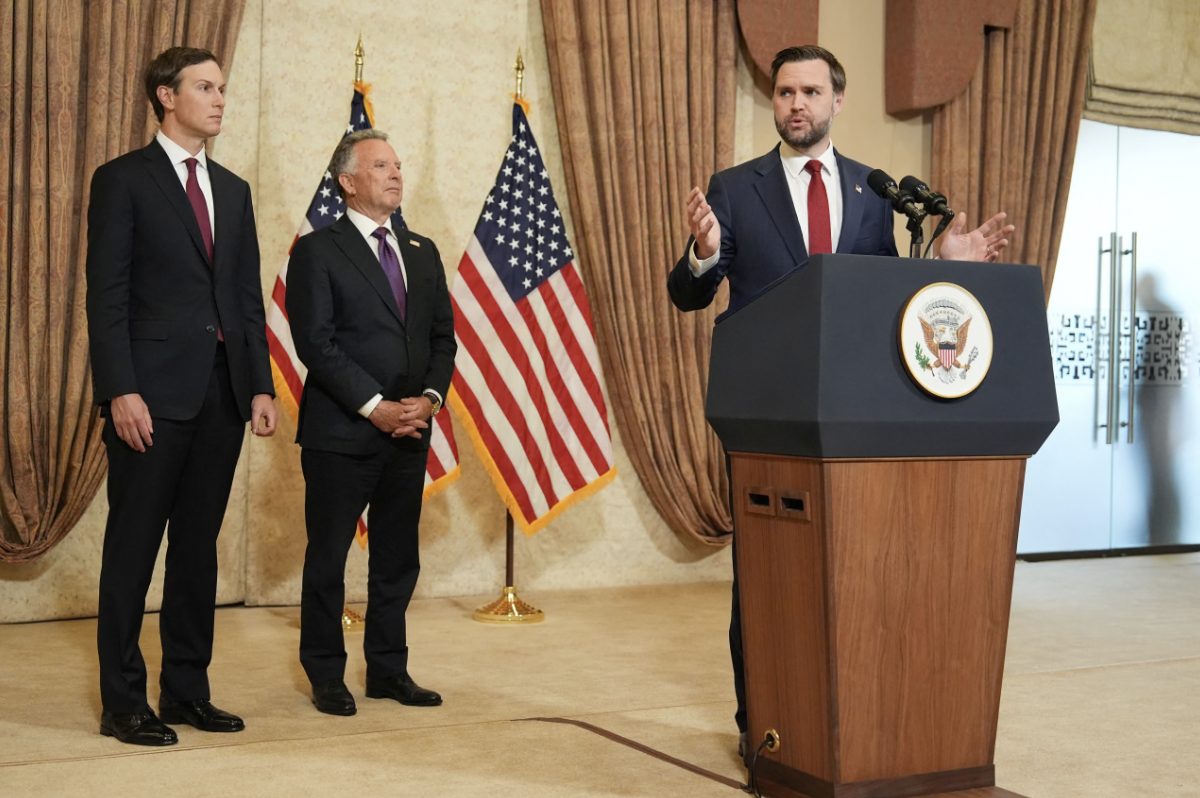
The Islamabad Impasse: Red Lines and the Return to Hostilities
The Transition from Face-to-Face Diplomacy to “Red Line” Retrenchment By the morning of April 13, 2026, the first direct U.S.-Iran negotiations in over a decade have transitioned from a marathon…
-
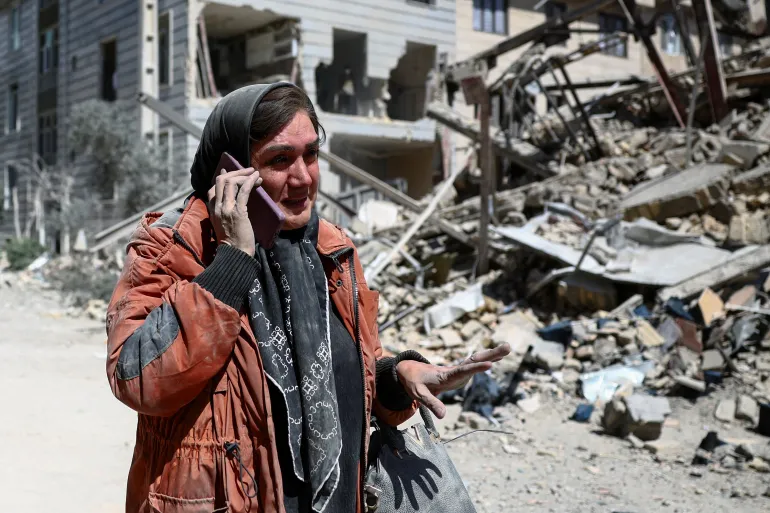
The “Bridge Day” Ultimatum: Diplomacy at the Brink
The Transition from Gradualism to “Terminal” Coercion By April 2026, the U.S. administration has transitioned from a policy of “incremental pressure” to an absolute ultimatum known as the “Bridge Day”…
-
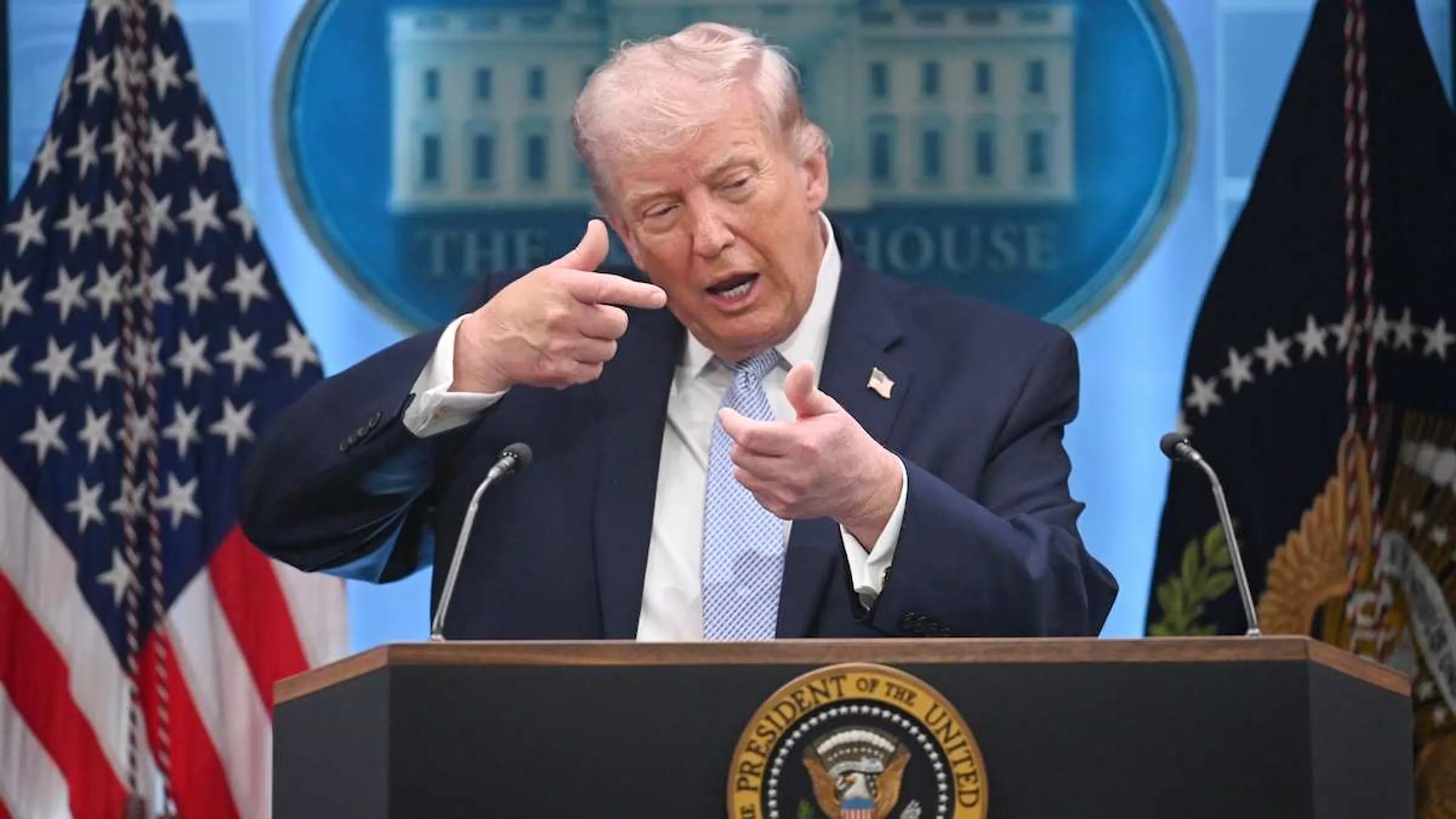
The Terminal Ultimatum: GZERO Analysis of the April 7 Deadline
The Transition from Deterrence to “Imminent Destruction” By April 2026, the U.S. strategy has transitioned from “Containment” to a policy of Forced Surrender. The GZERO report highlights that the current…
-
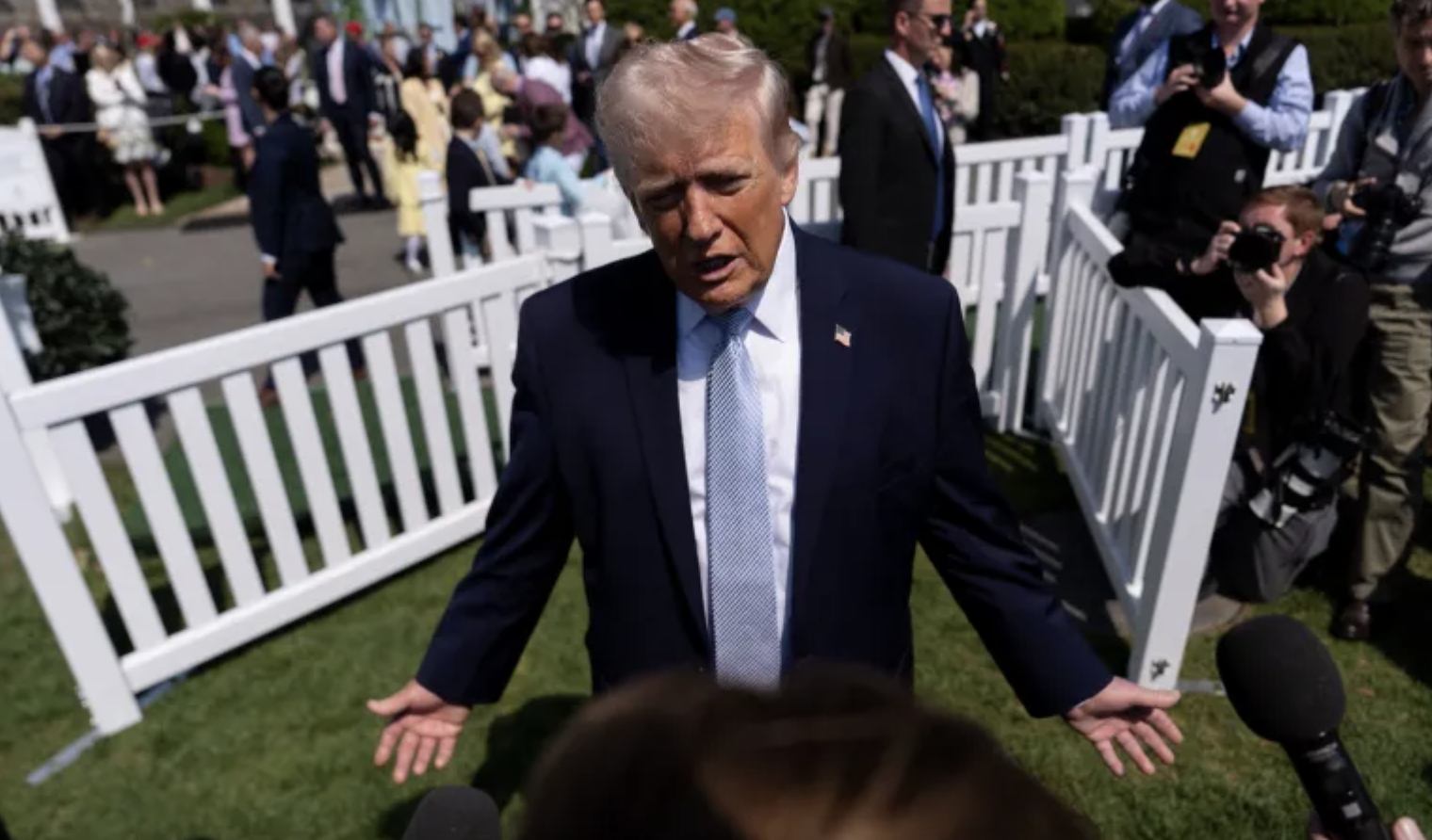
Strategic Pause in the Iran War
The Transition from Imminent Strike to Coercive Diplomacy 2.0 In the final hours before the “Bridge Day” deadline (Article #87), the U.S. administration has transitioned from an active bombing posture…
-
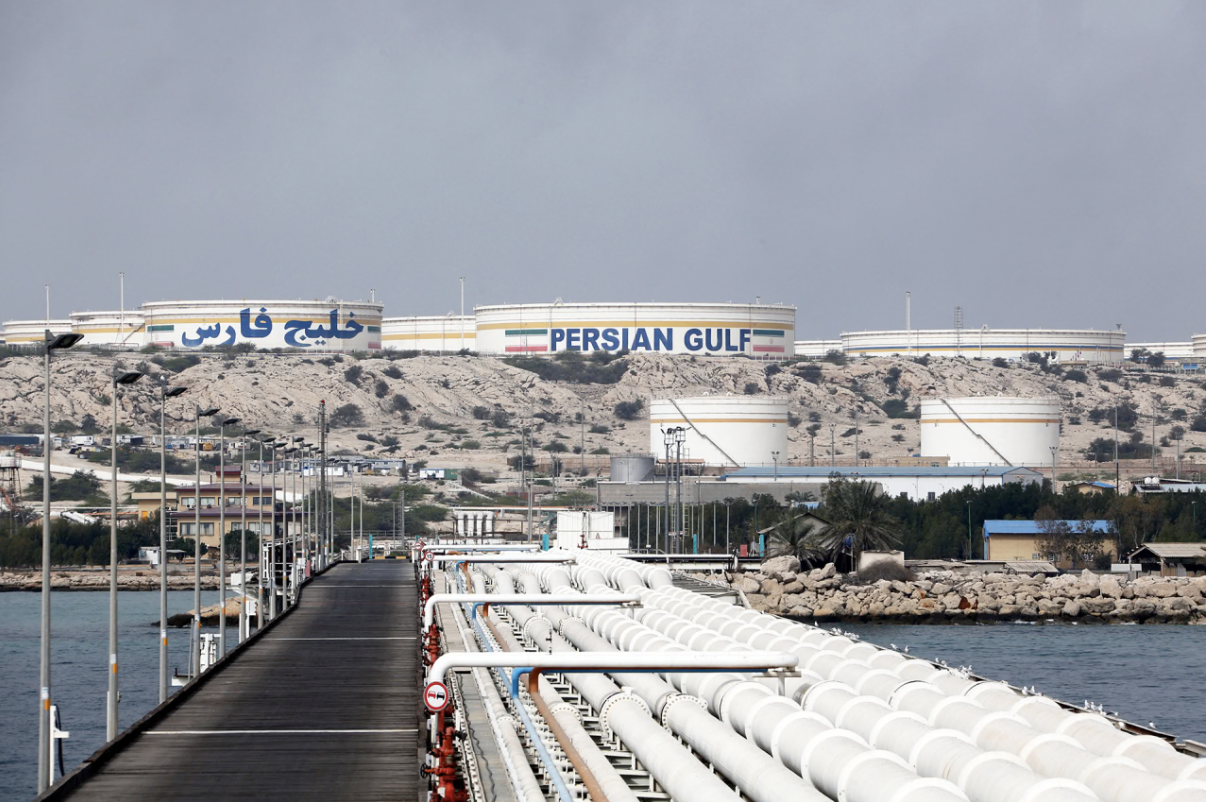
Kharg Island: The Fragile Lifeline of the Islamic Republic
The Transition from Economic Asset to Existential Liability By April 2026, Kharg Island has transitioned from being a symbol of Iran’s energy prowess to a primary target in the U.S.…
-
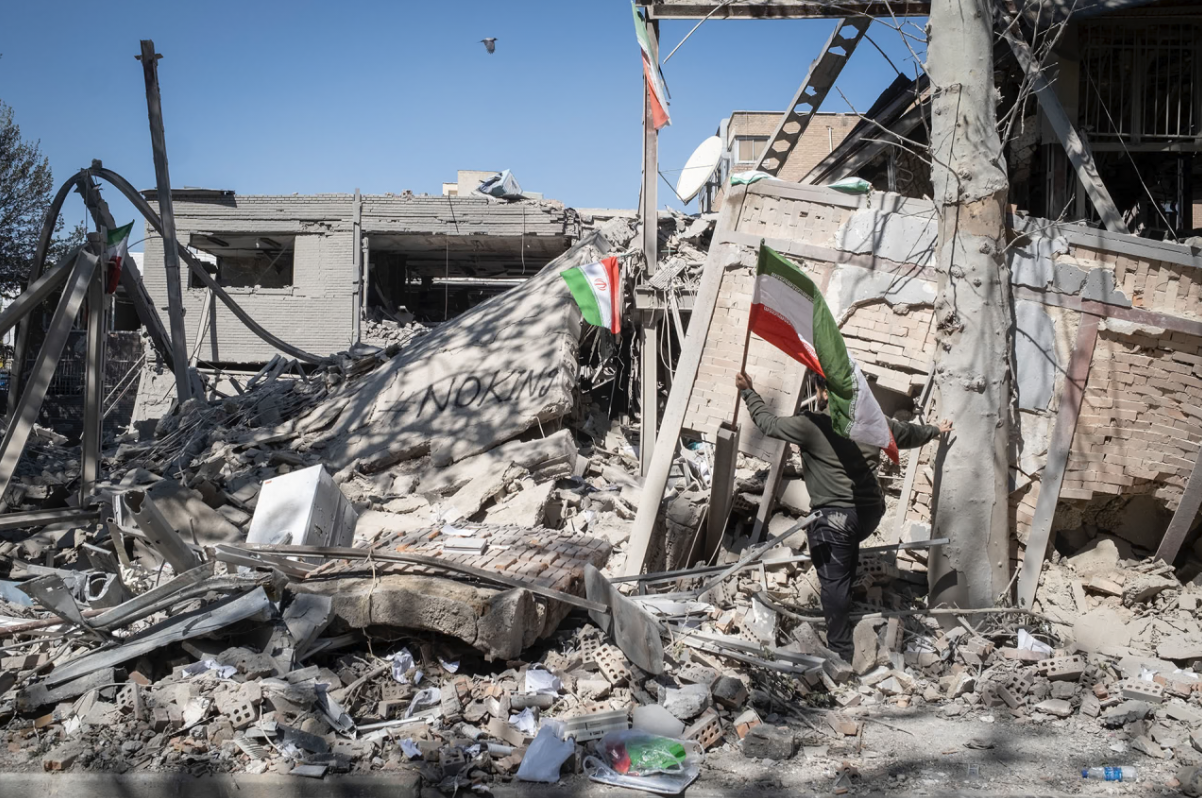
Evaluating the Durability of the Iran Ceasefire
En: Medio OrienteThe Transition from “Maximum Pressure” to “Conditional Reprieve” By April 2026, the U.S. strategy has transitioned from a campaign of active kinetic degradation to a state of Conditional Reprieve. The…
-
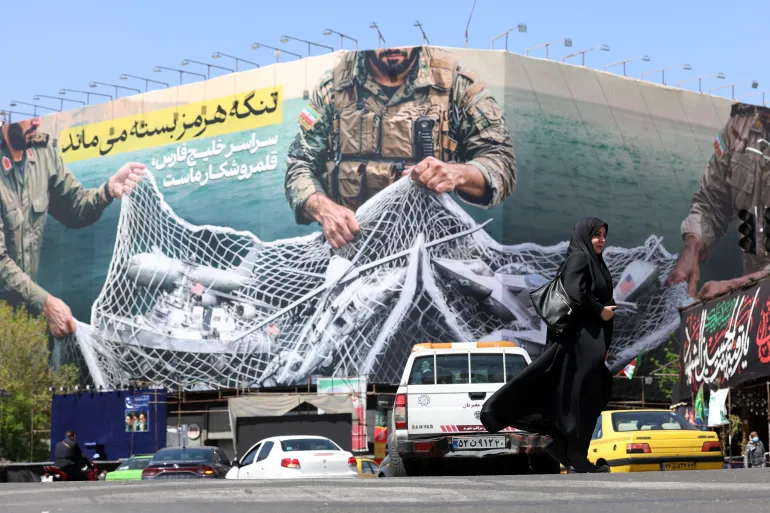
Brinkmanship and the “Final” Counter-Proposal
The Transition from Escalation to the “Terminal” Diplomatic Window On April 6, 2026, the U.S. President issued a stark reinforcement of the midnight deadline, declaring it “final” and “non-negotiable.” This…
-
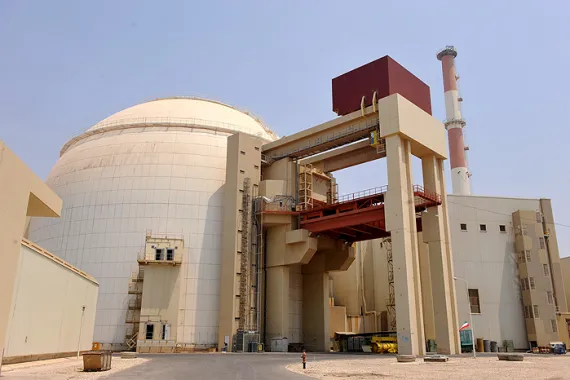
Iran’s Strategic Energy Vulnerabilities
The Transition from Targeted Military Strikes to Total Infrastructure Siege As of April 2026, the U.S. military posture has transitioned from hitting “counter-force” targets (missile silos and command centers) to…
-

Iraqi civilians are paying the price of the Iran war
The war involving Iran is unfolding far beyond its immediate battlefield, and Iraq has become one of its most exposed fronts. While the conflict is driven by larger geopolitical actors,…
-
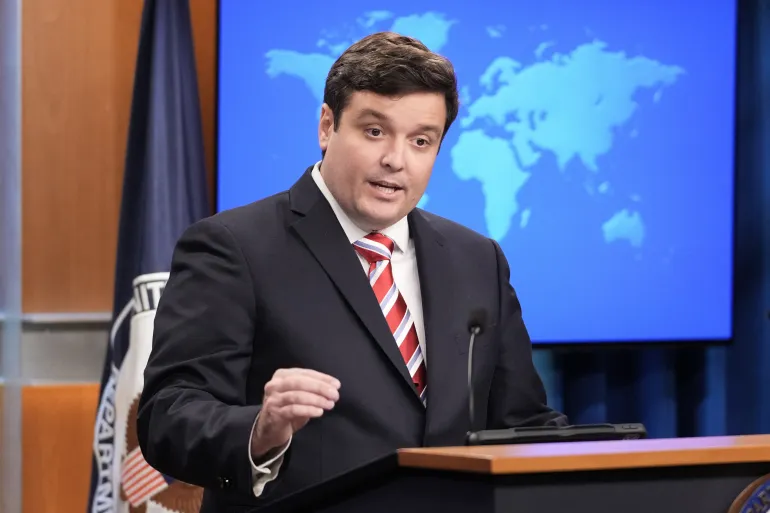
US reiterates Trump open to diplomacy with Iran
The Pivot from Kinetic Dominance to Diplomatic Pressure On April 2, 2026, following his first formal national address on the Iran war, President Donald Trump reiterated that while the U.S.…
-
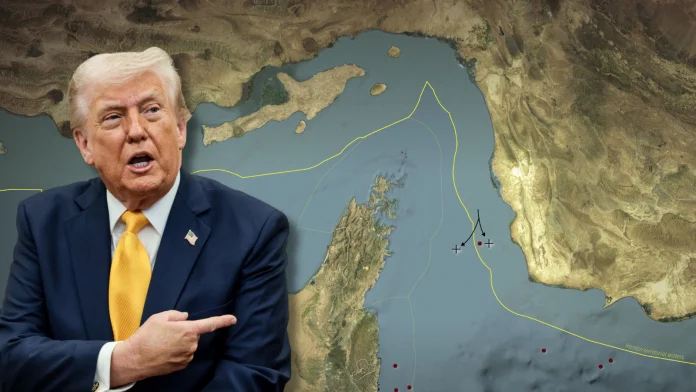
World anxious to open Hormuz Strait while Trump and Iran trade threats
The Surge in Brent Crude and the Failure of De-escalation Signals On April 2, 2026, global oil prices surged by over 4%, with Brent crude reaching $118 per barrel, following…
-
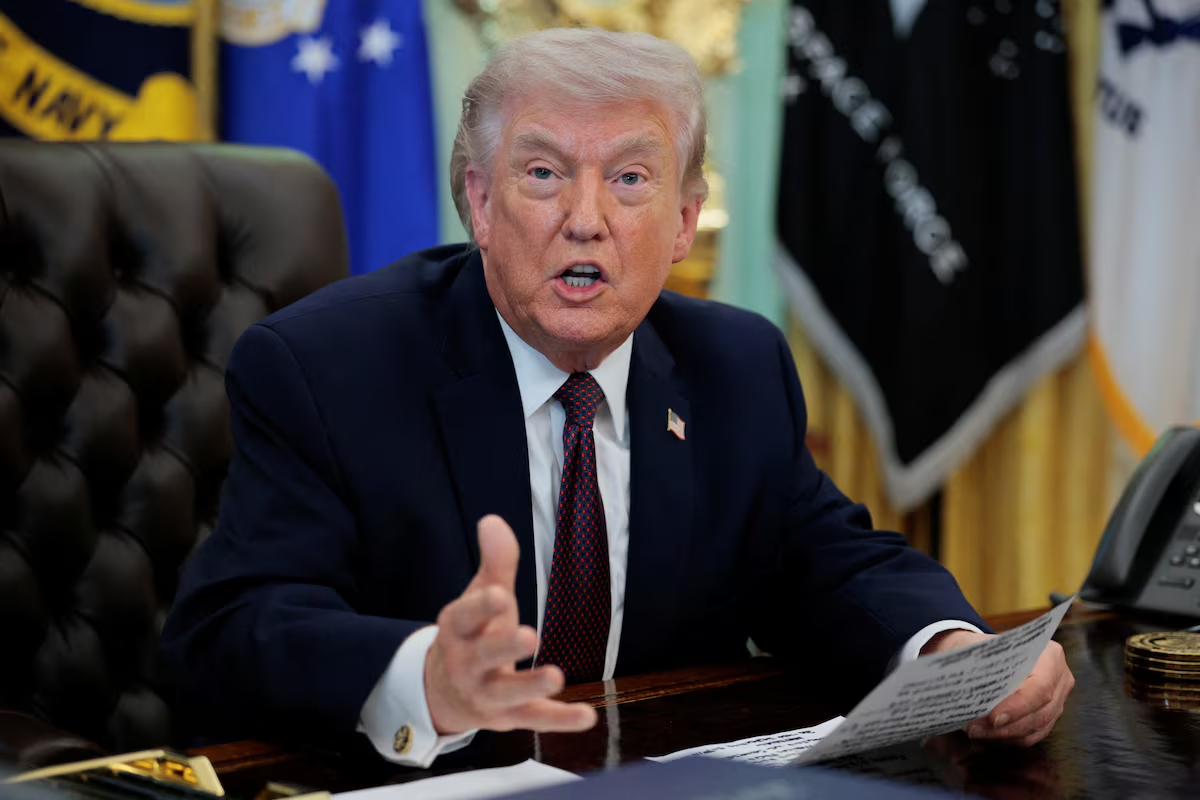
The Trump Exit Strategy: Kinetic Withdrawal and the NATO Ultimatum
The Transition from Full-Scale War to “Spot Hit” Operations On April 1, 2026, President Donald Trump told Reuters that the United States military will be “out of Iran pretty quickly,”…
-
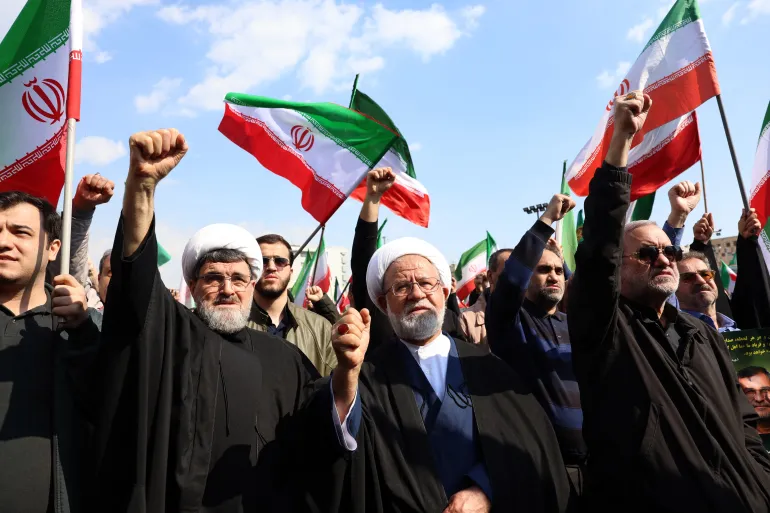
Islamic Republic Day 2026: Defiance Amidst the Ruins
The Mobilization of Revolutionary Memory as a Strategic Asset On April 1, 2026, Iranian authorities and state supporters took to the streets to mark the anniversary of the 1979 referendum…
-

The Real War for Iran’s Future: Who Will Determine the Fate of the Islamic Republic?
En: Think TanksForeign Affairs The Real War for Iran’s Future: Who Will Determine the Fate of the Islamic Republic? Published on March 31, 2026, in Foreign Affairs, this essay by Afshon Ostovar…
-
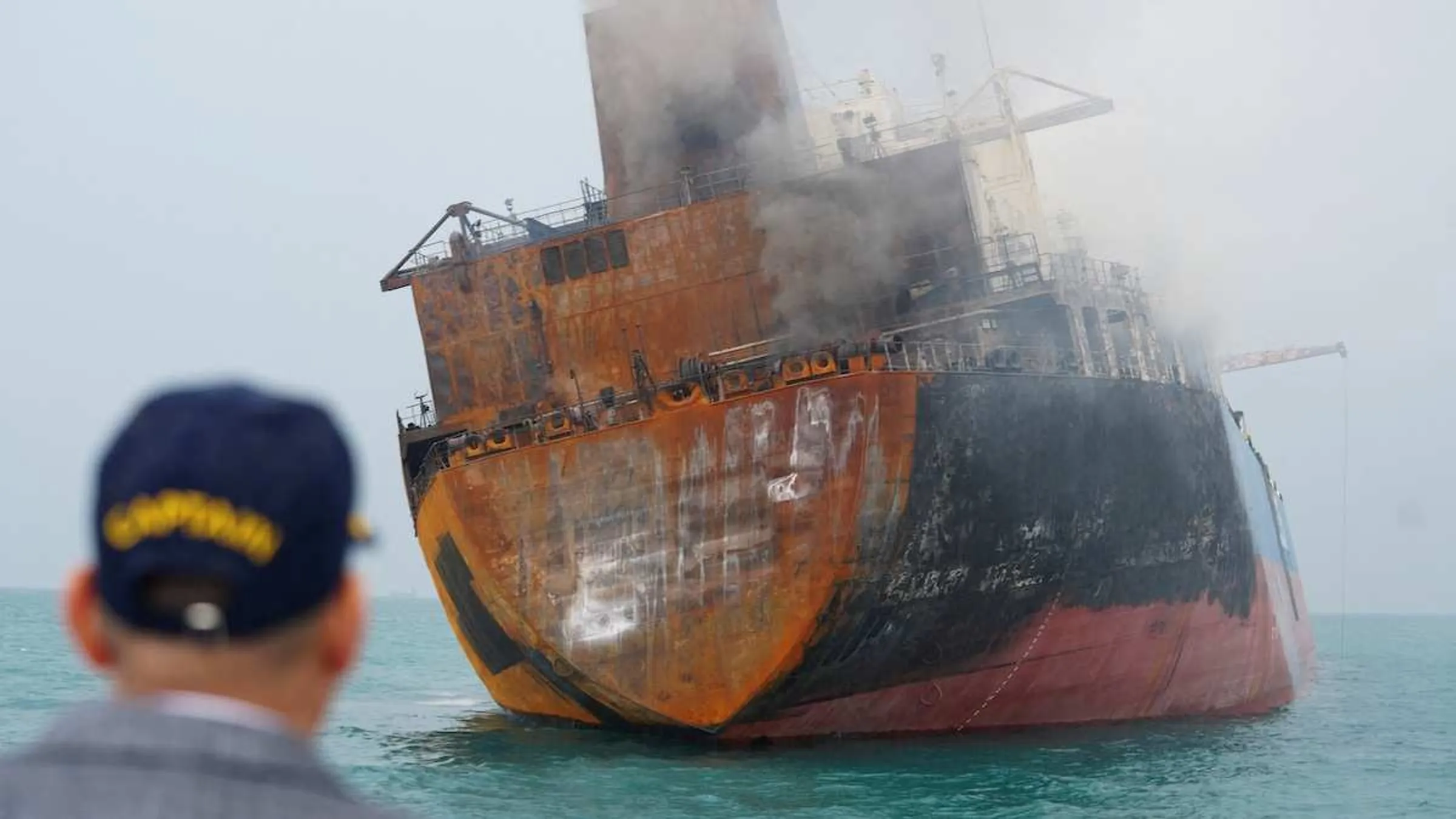
Trump’s Iran climbdown wasn’t an offramp
Trump’s decision to step back from immediate escalation with Iran has been presented as a form of restraint, but it does not represent a real exit from the conflict. Rather…
-
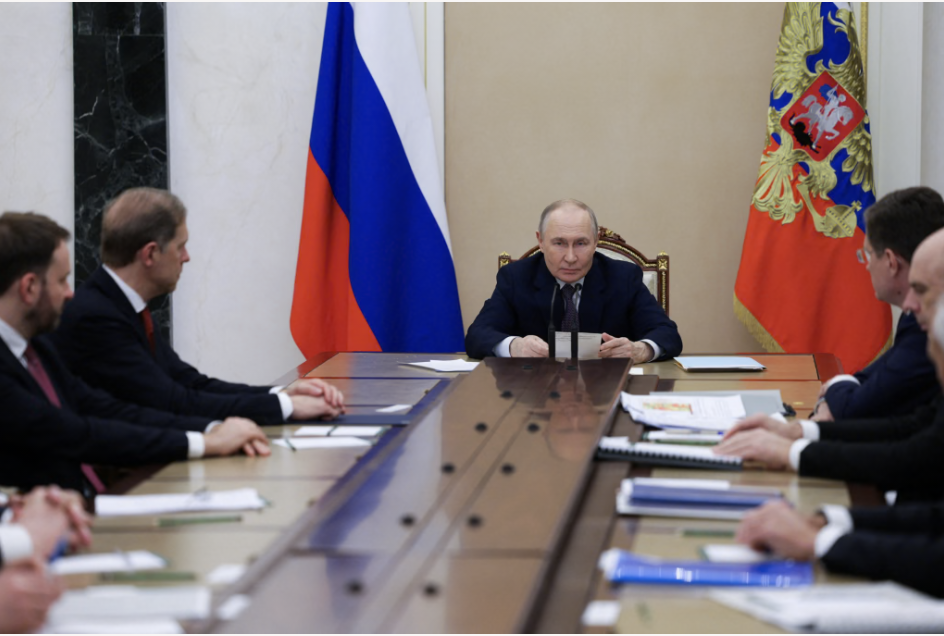
Why the Iran War is a Double-Edged Sword for Putin
The Paradox of Windfall Profits and Strategic Overextension In March 2026, the Council on Foreign Relations (CFR) analyzed how the war in Iran has transformed Russia into an involuntary economic…
-
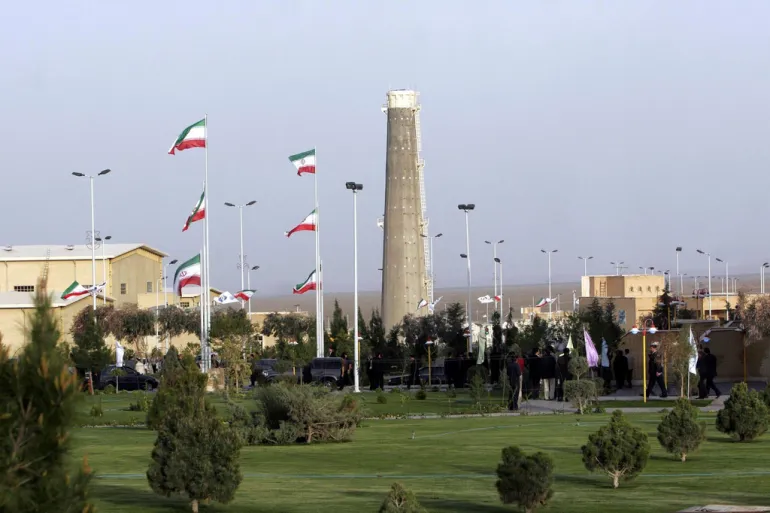
As war rages, Iranian politicians push for exit from nuclear weapons treaty
The Shift from Diplomatic Safeguards to Nuclear Sovereignty In March 2026, Iranian lawmakers initiated a formal legislative push to withdraw from the Treaty on the Non-Proliferation of Nuclear Weapons (NPT).…